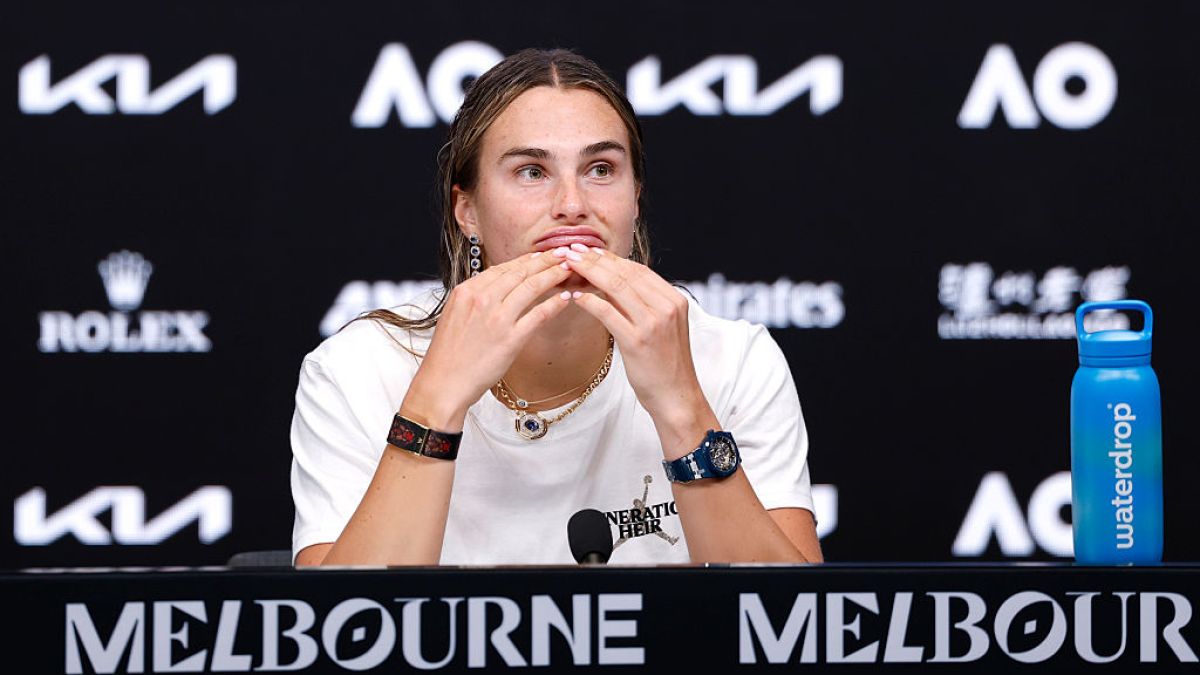
World number one Aryna Sabalenka stated she was "really upset" following her defeat to Elena Rybakina in the Australian Open final on Saturday in Melbourne. This result marks the second consecutive year Sabalenka has fallen short in the Melbourne final, following her triumph in the preceding two years.
Sabalenka noted that she played strongly until critical junctures of the match but could not counter Rybakina's aggressive play in key moments. The Belarusian athlete held a 3-0 advantage in the third set before Rybakina mounted a significant comeback, breaking serve twice to clinch the match 6-4, 4-6, 6-4, according to reports from the post-match conference.
This loss continues a challenging run for Sabalenka in major finals, as she has now lost three of her last four Grand Slam championship matches. This sequence includes a defeat to Coco Gauff at the French Open last year, adding pressure on the top-ranked player to convert opportunities.
Prior to the final, Sabalenka maintained an impressive hardcourt Grand Slam record, having won 46 of her previous 48 matches without dropping a set. Rybakina, the former Wimbledon champion, successfully neutralized this dominance by matching Sabalenka's power base throughout the contest.
Sabalenka acknowledged Rybakina's superior performance during the crucial swing in the final set, admitting that a few unforced errors contributed to the rapid shift in momentum. She detailed that the transition from leading 3-0 to trailing 3-4 occurred with disconcerting speed, as reported by Al Jazeera.
Economically, consistent performance at Grand Slams is vital for top players concerning ranking points, endorsements, and overall marketability. Sabalenka's inability to secure a third straight major title may marginally impact her standing in highly lucrative sponsorship negotiations.
Looking forward, Sabalenka indicated she would consult with her team regarding tactical adjustments, though she maintained respect for Rybakina’s high-level tennis on the day. The focus now shifts to clay and grass seasons as the tour transitions away from hardcourt events.