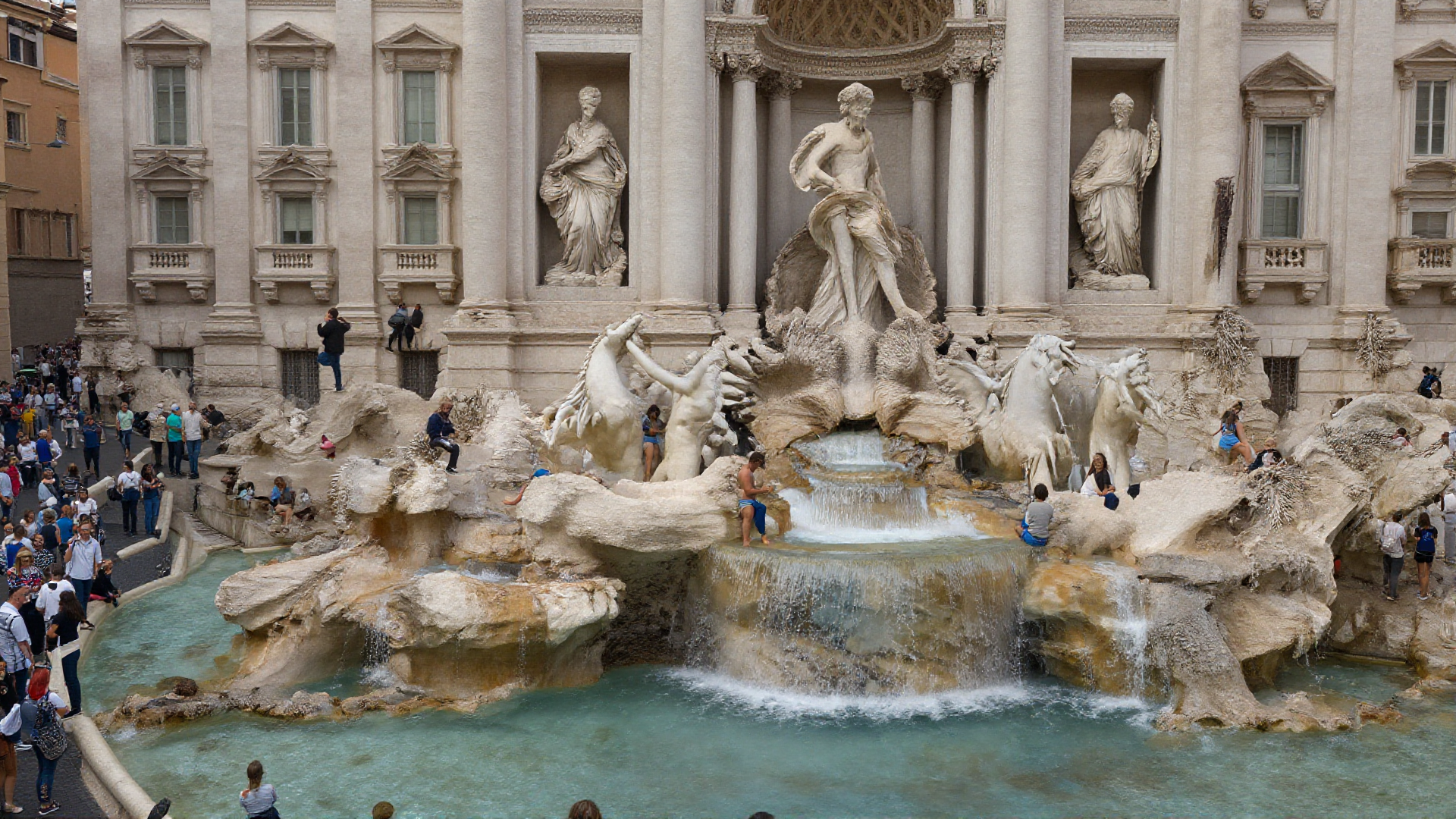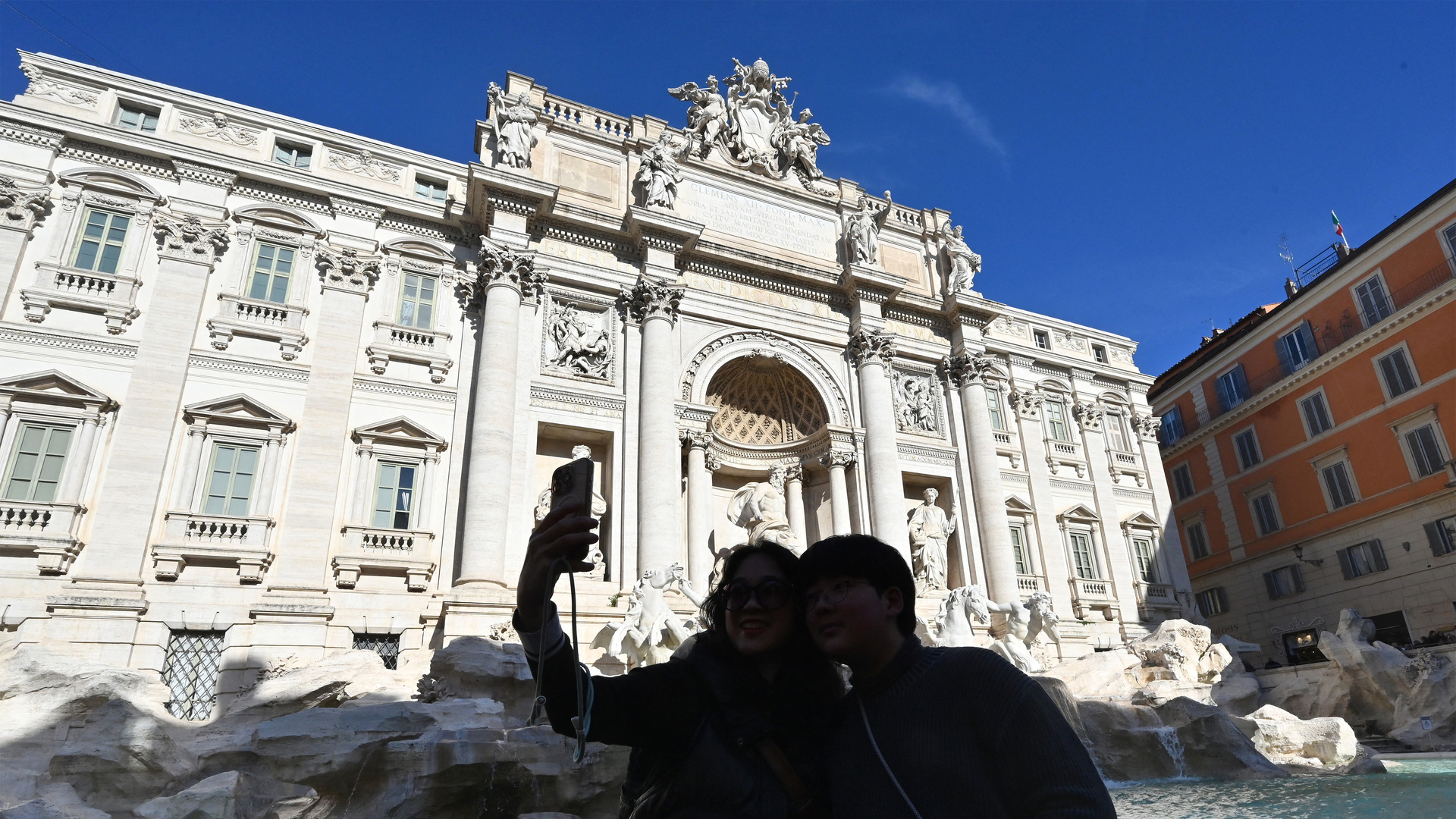
Rome has introduced a two-euro charge for visitors seeking proximity to the Trevi Fountain, the iconic Baroque landmark, according to a report by Al Jazeera on February second.
This fee, equivalent to approximately $2.36, is specifically levied for the area required to participate in the tradition of tossing coins into the fountain. Officials estimate the new tariff could generate up to six million euros, roughly $7.1 million, annually.
The revenue generated is earmarked exclusively for the preservation and upkeep of the historic monument, which faces significant wear from extensive daily foot traffic. This monetization strategy addresses the rising fiscal burden of maintaining major cultural assets in Italy's capital.
While the exact mechanism for enforcing the fee is pending further clarification, the implementation signals a shift toward direct user-pays funding models for heritage sites. Such measures attempt to balance accessibility with necessary conservation efforts.
This development occurs within the context of broader European concerns regarding overtourism and the economic sustainability of managing world-renowned attractions. Cities globally are grappling with strategies to mitigate congestion while maximizing cultural value.
The introduction of a direct access fee represents a notable administrative response to the financial pressures exerted by mass international visitation on fragile historical infrastructure.
Further analysis will focus on the long-term efficacy of this system in balancing tourist flow regulation against the maintenance budget requirements for Rome's vulnerable historical portfolio.