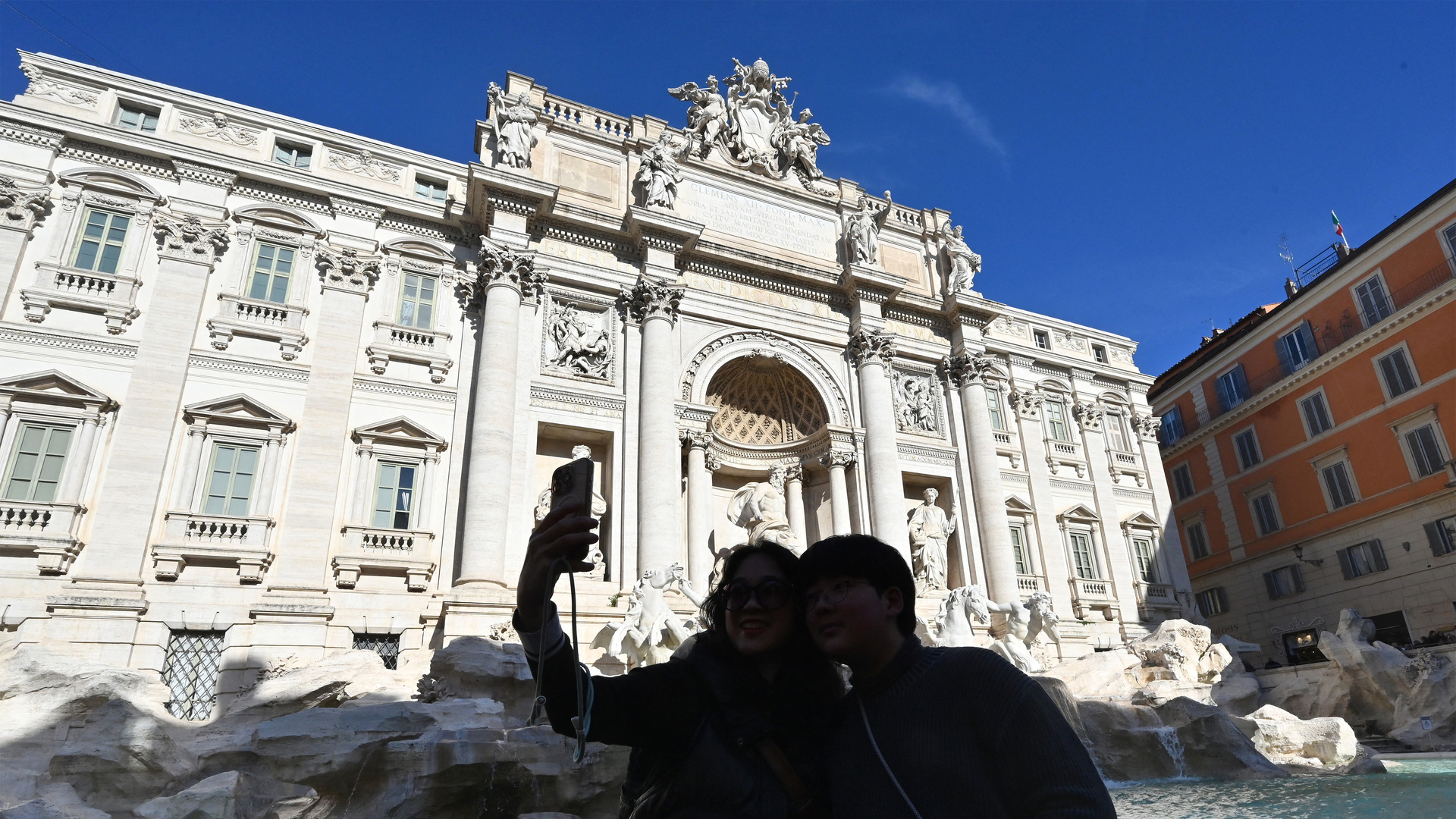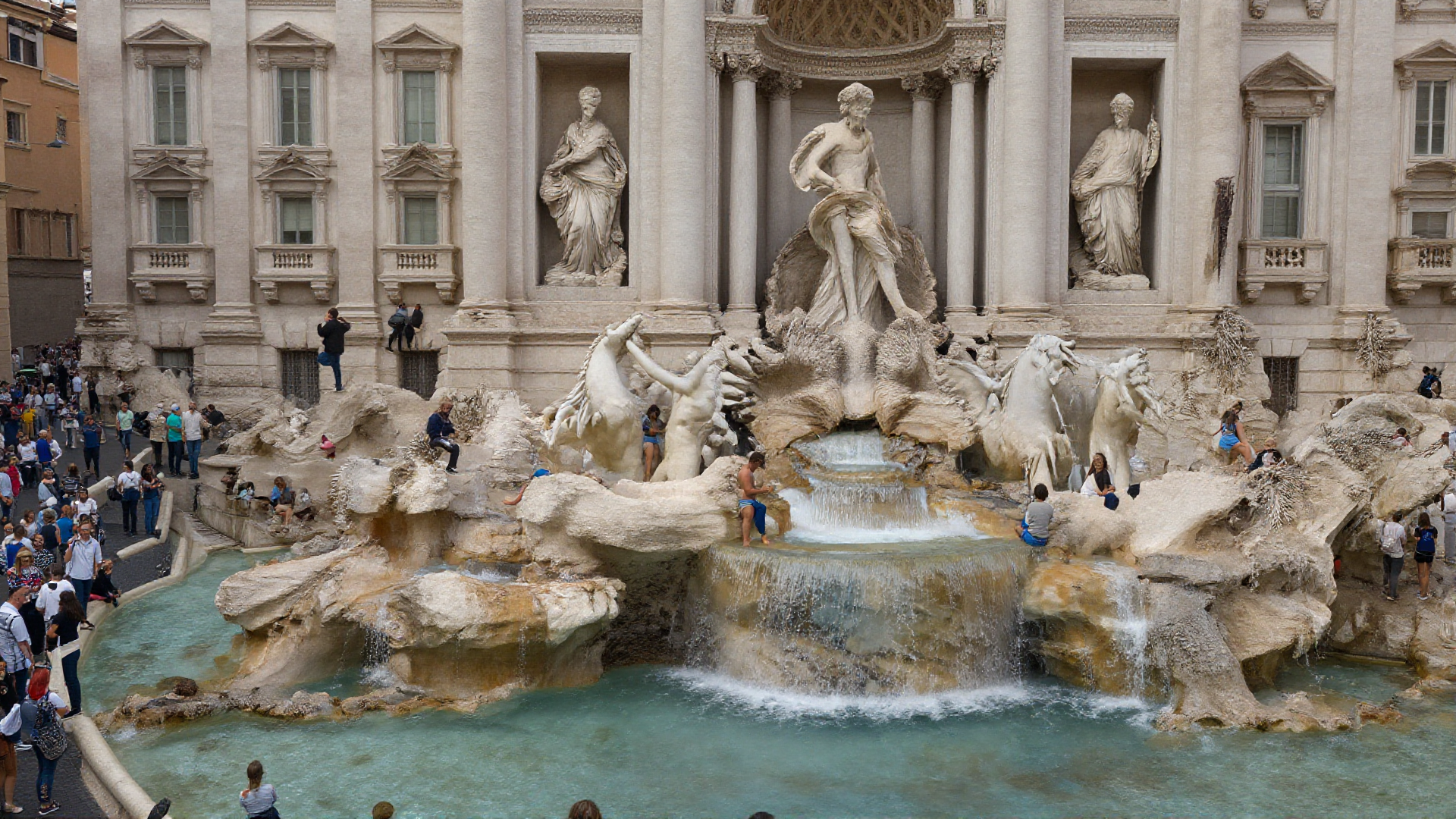
Rome authorities implemented a mandatory €2 fee for visitors accessing the viewing area around the Trevi Fountain, marking a significant shift from the monument's previous uncharged status. This decision comes as the city grapples with unsustainable levels of foot traffic overwhelming key cultural assets.
The primary motivations cited for the introduction of the charge are twofold: effective crowd management and securing necessary funds for the ongoing maintenance and upkeep of the Baroque masterpiece. The massive influx of daily visitors places substantial strain on local infrastructure and the fountain structure itself, according to municipal reports.
Some tourists reportedly expressed approval of the fee, suggesting that a financial barrier might successfully thin the crowds, thereby improving the overall visitor experience at the landmark. This aligns with broader municipal efforts across major European capitals to find sustainable tourism models.
However, not all reactions were positive, as evidenced by comments gathered near the site, including one visitor from Sicily who resignedly noted the necessity to simply 'pay and smile' at the required cost of entry. This sentiment reflects a growing global tension between cultural accessibility and commercial necessity in highly sought-after locations.
Data suggests that the Trevi Fountain routinely handles millions of visitors annually, creating congestion issues documented extensively by local safety officials. The revenue generated is earmarked to support specialized teams dedicated to the fountain's cleanliness and structural integrity, as reported by the local administration.
From an economic perspective, this move establishes a precedent for monetizing access to major public historical sites in Italy, potentially signaling future policy shifts for other congested attractions. The effectiveness of a two-euro levy in deterring mass tourism remains a subject of local observation in the coming months.
Global cultural heritage sites are increasingly exploring such mechanisms to balance preservation imperatives against the economic benefits of mass tourism. Rome's strategy offers a specific case study in applying micro-fees to control flow at sites of high symbolic and architectural value.