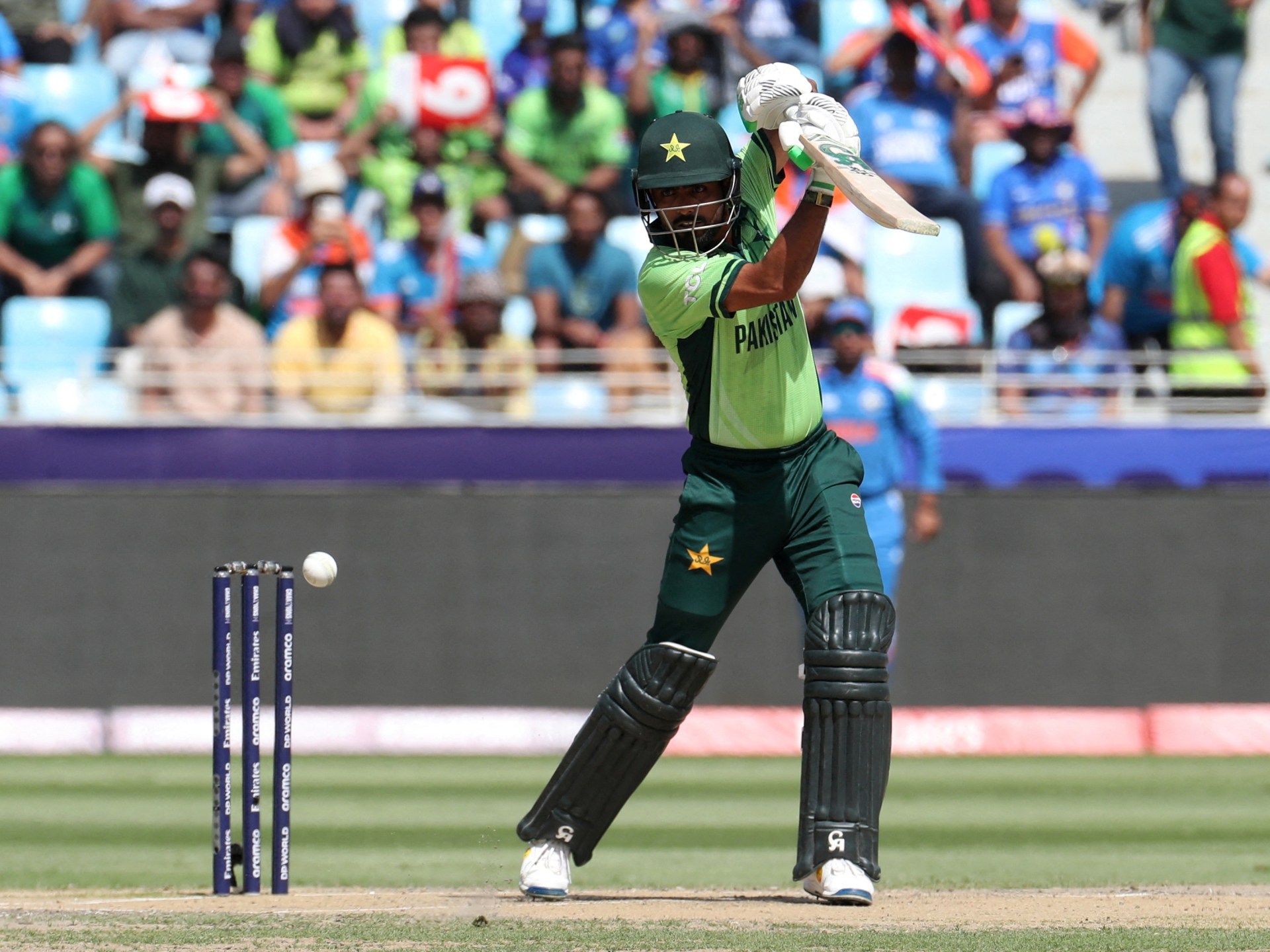
Pakistan has indicated it will refuse to play its scheduled T20 World Cup fixture against India on February fifteenth in Sri Lanka, potentially forfeiting crucial tournament points. This developing situation introduces significant uncertainty into the competition's standings and scheduling structure. The decision was announced by Pakistani sporting authorities earlier this week.
Sources close to the organizing committee suggest the move is linked to renewed grievances regarding the International Cricket Council's (ICC) recent disciplinary enforcement. Specifically, the decision follows the recent expulsion of Bangladesh from the competition over separate regulatory breaches.
Fans in Pakistan have reportedly shown widespread endorsement for the proposed boycott, according to reports published by Al Jazeera on February second. This fan support suggests the government's stance may be reflecting broader public sentiment regarding perceived unfairness in the organization's governance.
Geopolitical tensions often underlie sporting disputes involving the two South Asian rivals, although specific justifications for this exact scheduling protest were not immediately detailed in the initial reports. The ICC has not yet issued a formal statement regarding Pakistan's threat or the potential cascading effects on group dynamics.
If Pakistan proceeds with the non-appearance, the tournament regulations mandate a loss of points, which could severely damage their progression prospects regardless of other match outcomes. Such a high-profile withdrawal would represent a major administrative challenge for the ICC's operational team.
Bangladesh’s prior expulsion, which reportedly concerned financial compliance issues, sets a precedent for strict enforcement of tournament rules, putting Pakistan’s threat under closer scrutiny. The economic impact of a non-played India-Pakistan fixture, one of the most lucrative in global cricket, will also be substantial for broadcasters and sponsors.
International sporting bodies frequently navigate complex political environments, and this incident underscores the risks inherent when national policies intersect with global sporting calendars. The immediate focus pivots to whether diplomatic channels can resolve the issue before the scheduled match date next month.