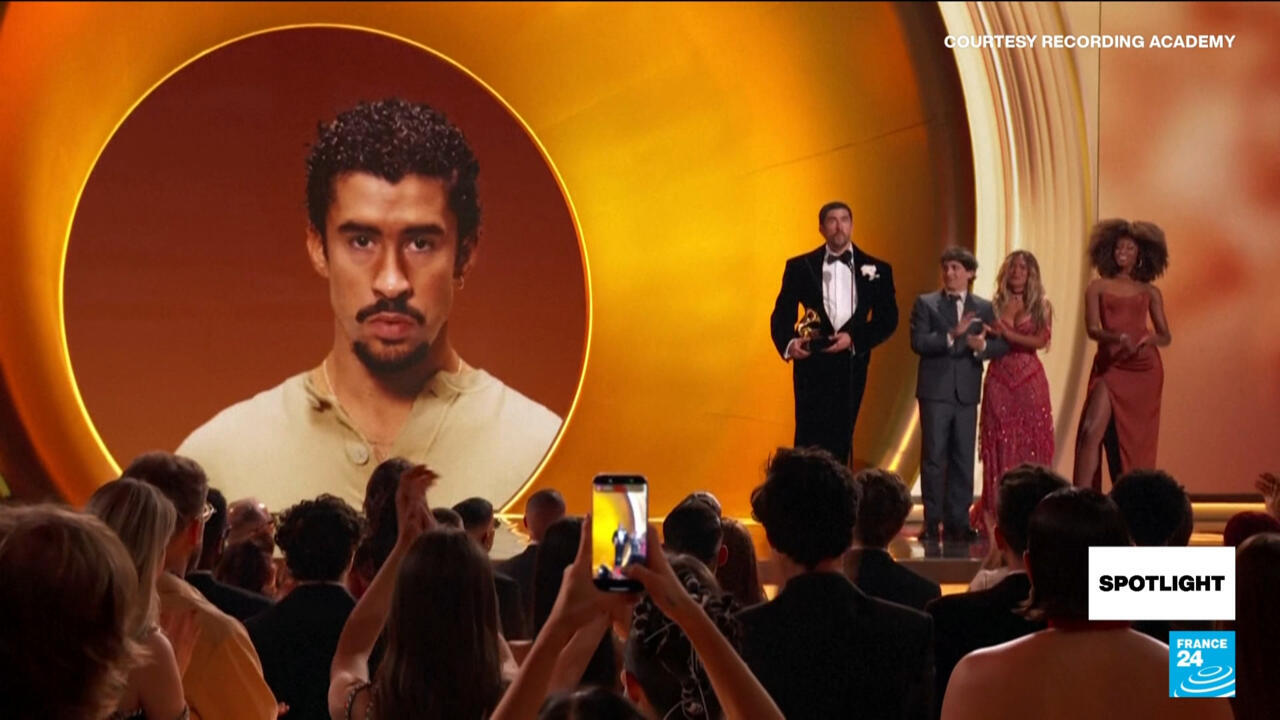
The National Football League secured Puerto Rican superstar Bad Bunny to headline the Super Bowl LXI halftime show, an event that fuses high-stakes athletics with contemporary sociopolitical artistry. This booking occurs shortly after the artist achieved historic recognition at the 2026 Grammy Awards, signaling a strategic move by the NFL to capture a broader, globally engaged audience.
Sociologists observe that major sporting spectacles are increasingly functioning as influential platforms for cultural and political expression, according to commentary provided by Ellis Cashmore, an honorary professor at Aston University and author of "Celebrity Culture."
Cashmore noted that sport has become a "hugely influential platform for people to display, and to exhibit, their political and moral leanings." Bad Bunny’s selection underscores the league’s recognition of music as a powerful conduit for conveying messages that resonate beyond traditional entertainment.
The artist, who prominently represents his heritage and has previously addressed issues such as US immigration policies, carries significant cultural weight with younger global demographics. His artistic brand emphasizes genre fusion, inclusion, and barrier-breaking, aligning with contemporary youth values.
This high-profile performance places the artist’s advocacy directly into the center of American commercial culture, a space often scrutinized for its political neutrality. The NFL, by featuring an artist with such explicit cultural positioning, signals an adjustment in its programming strategy.
Economically, securing an artist of Bad Bunny's stature ensures maximum global viewership and merchandising opportunities, particularly within Latin American markets. The integration of such artistry into the Super Bowl framework reflects broader trends in media consumption favoring authenticity over sanitized performance.
The broader implication involves the continued commercialization of social commentary within mainstream global events. Future major sports leagues may increasingly evaluate performers based not only on musical appeal but also on their capacity to mobilize specific, engaged demographic segments.