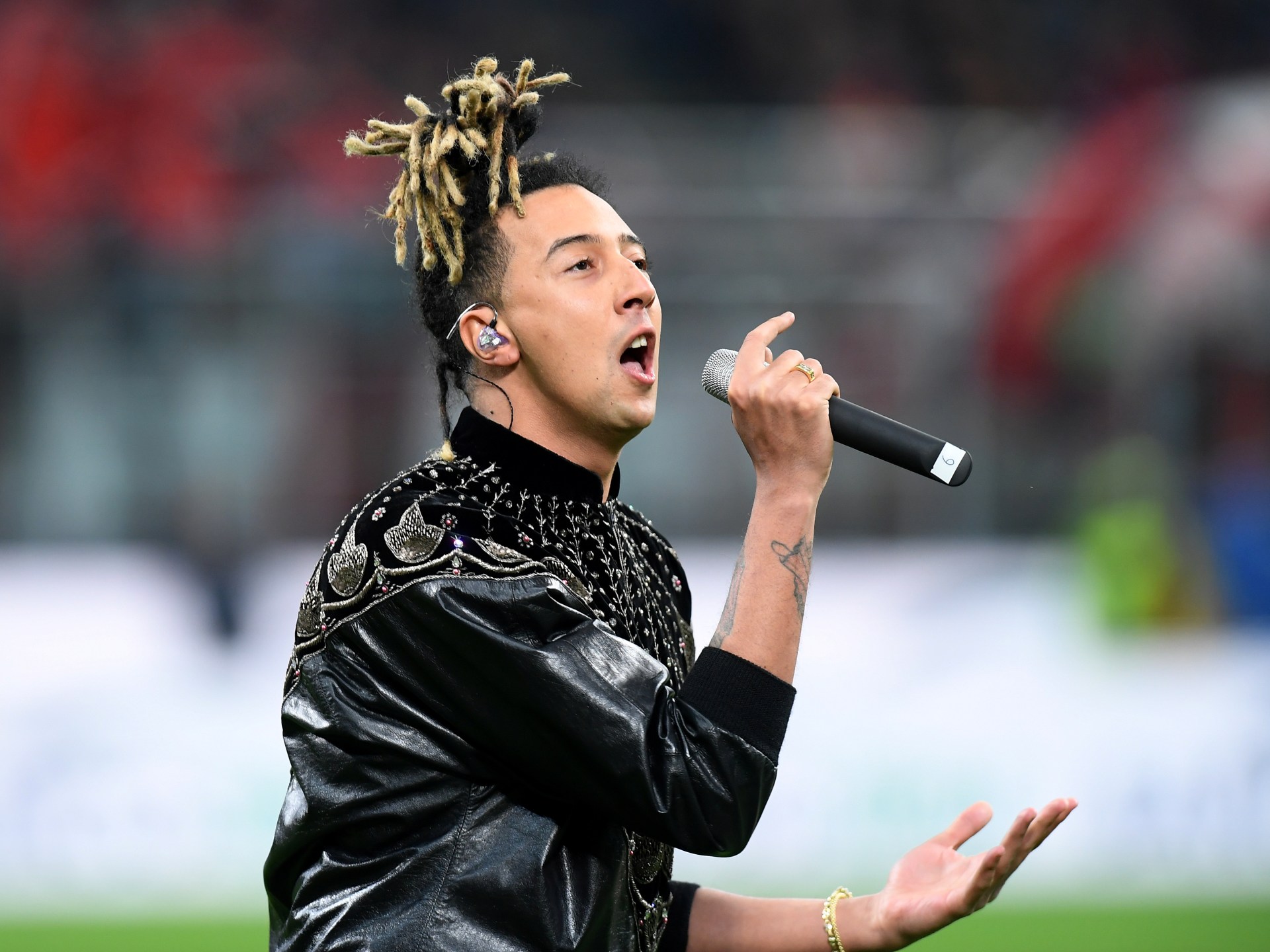
The inclusion of Italian rapper Ghali in the lineup for the Milano Cortina 2026 Winter Olympics opening ceremony has triggered a political dispute within Italy, according to reports. Members of the right-wing League party, a component of Prime Minister Giorgia Meloni’s governing coalition, publicly criticized the decision to feature the artist at the San Siro stadium event.
Ghali, born in Milan to Tunisian parents, previously caused a political stir during the Sanremo song contest two years prior. At that event, the rapper explicitly called for an end to what he termed the “genocide” in reference to Israel’s military actions in Gaza. A source within the League party reportedly labeled Ghali a “pro-Palestinian fanatic” hostile toward Israel and the center-right establishment.
Italy’s Sport Minister, Andrea Abodi, acknowledged the disagreement with Ghali’s past statements but stressed the need for national inclusivity. Minister Abodi stated that while he disagreed with the artist’s views, a nation must be capable of absorbing performances from artists whose opinions are not shared, provided those views are not expressed on the Olympic stage itself.
Ghali has reportedly maintained silence regarding the current controversy surrounding his Olympic participation. His inclusion is viewed as an effort to appeal to a younger demographic, contrasting with other established performers scheduled, such as tenor Andrea Bocelli and pop singer Mariah Carey.
This situation mirrors other instances where artists' political stances have intersected with high-profile global sporting events. For example, Franco-Malian pop star Aya Nakamura faced significant online racial abuse following the announcement of her performance at the Paris 2024 Summer Olympics opening ceremony.
The collision of geopolitics and cultural programming at major international events presents ongoing challenges for organizing committees seeking broad public appeal. These incidents often force governments to navigate the balance between artistic freedom and the perceived neutrality expected of Olympic platforms.
For the Milano Cortina organizers, the focus remains on delivering a successful ceremony, though the political undercurrents surrounding Ghali’s appearance introduce an element of scrutiny. The event serves as a contemporary case study on how global conflicts translate into domestic political friction within host nations.