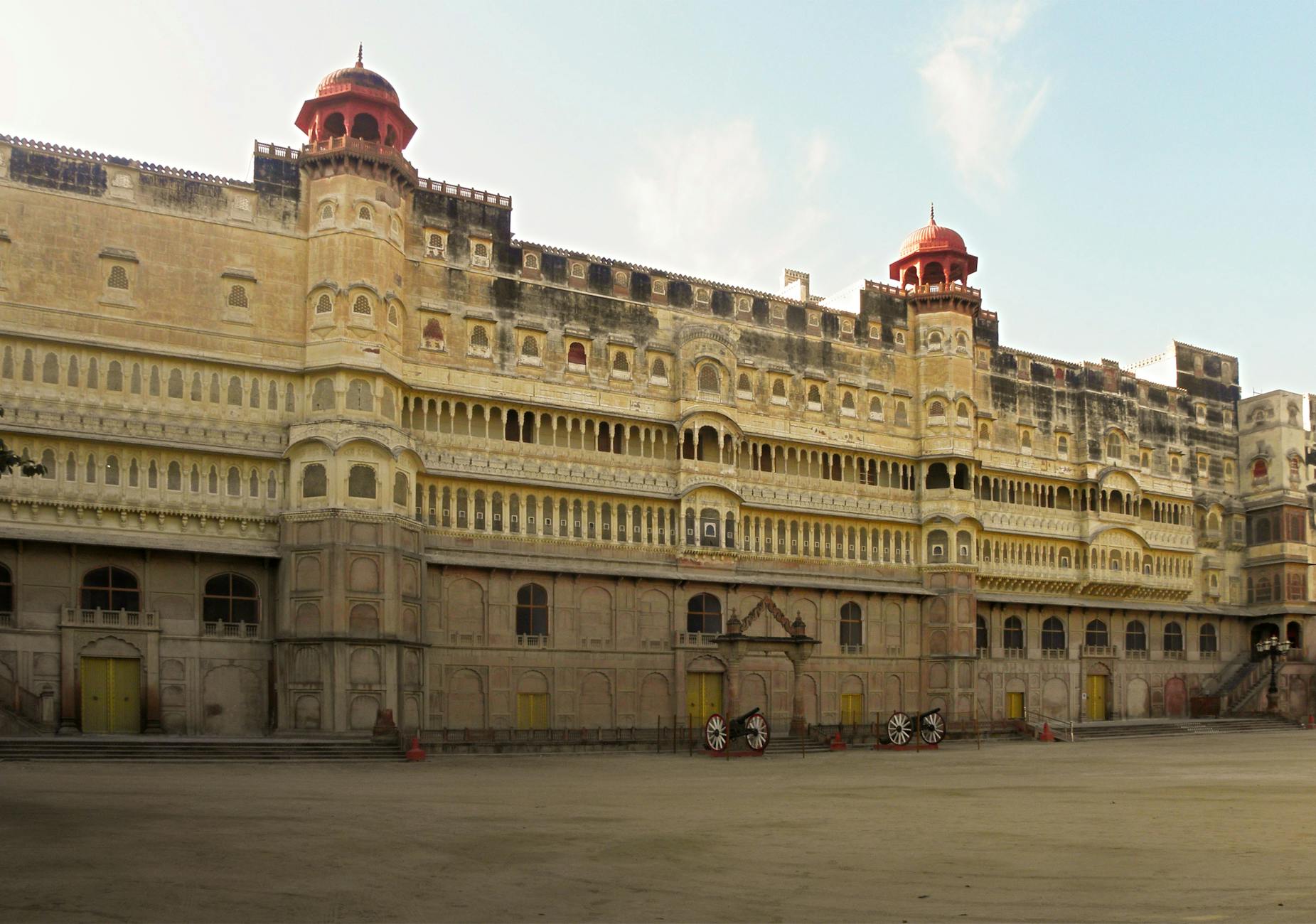
Workers in Uttar Pradesh are restoring a centuries-old royal kitchen that once fed rulers and served the public in Lucknow. The site within the Chota Imambara complex continues to operate nearly two hundred years after its construction, providing meals during religious gatherings. This restoration effort ensures the legacy of community service established by former Awadh ruler Muhammad Ali Shah remains intact.
Historical Legacy and Funding
Built in 1837 by Muhammad Ali Shah, the kitchen served both the elite and ordinary people during special occasions. In 1839, the nawab gave three million six hundred thousand rupees to the East India Company for monument maintenance while reserving interest earnings for food operations. Following Indian independence in 1947, funds were transferred to a local bank, allowing the Hussainabad Trust to manage current operations.
"We are duty-bound to carry out the will of the king who introduced this practice of serving food," said Yasir Abbas, a descendant of the former rulers.
Archaeological Restoration Process
The Archaeological Survey of India began restoration work last October with hopes to finish by March. Local residents reported deteriorating conditions including peeling plaster and caving floors before contacting officials for intervention. The project focuses on returning the kitchen to its original form using traditional construction techniques.
"We are using slaked lime as the base. It is soaked for a month and then mixed with the pulp of wood apples, black gram, natural gum found in India - called gond -jaggery and red brick dust," said Aftab Hussain, a superintending archaeologist.
Community Service Continuity
The kitchen feeds the poor, widows and others unable to provide for themselves every Ramadan. Around seven hundred coupons are distributed daily, and cooked food is sent to sixteen nearby mosques. The menu changes seasonally, with simple vegetarian staples during Muharram followed by richer meat curries and kebabs.
"The spirit of the place is still the same," said Syed Haider Raza, an eighty-year-old local who has visited for decades.
Preserving Standards
Kitchen in-charge Murtaza Hussain Raju noted that portion sizes and dish types are recorded in the former ruler's will. Historian Roshan Taqui explained that twin kitchens allow cooking to continue while restoration occurs on one side. This design reflects Awadhi architecture's emphasis on symmetry and ensures uninterrupted service during holy months.
The restoration is not just about repairing a building, but sustaining a tradition that has endured for generations. For residents of Lucknow, this continuity feels quietly familiar despite the crumbling infrastructure found earlier in the project.