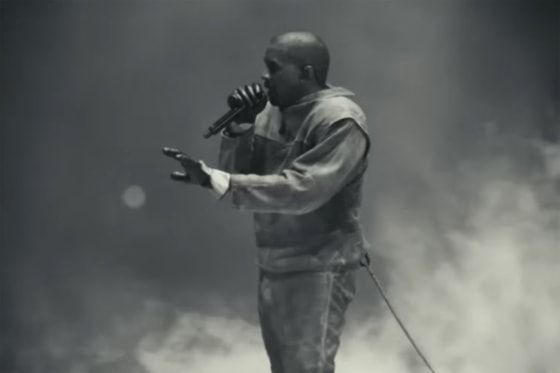
Wireless Festival announced the cancellation of this summer’s event on Tuesday after the UK government refused to grant headliner Kanye West, known as Ye, permission to enter the country. The Home Office confirmed it denied the rapper’s application for an Electronic Travel Authorisation (ETA), stating that his presence would not be "conducive to the public good."
Festival organizers confirmed that all ticket holders will receive refunds. In a statement, Festival Republic said it had consulted multiple stakeholders before booking the artist and claimed no concerns were raised at that time. "Antisemitism in all its forms is abhorrent, and we recognise the real and personal impact these issues have had," the organizers wrote.
A history of inflammatory rhetoric
West has faced widespread condemnation for a series of antisemitic and racist comments over the past several years. In 2022, he declared on social media he would go "death con 3" on Jewish people, later telling conspiracy theorist Alex Jones that he saw "good things about Hitler." More recently, he released a song titled "Heil Hitler" and sold merchandise featuring swastikas.
Prime Minister Sir Keir Starmer supported the government's decision to bar the artist. "Kanye West should never have been invited to headline Wireless," Starmer said. "This government stands firmly with the Jewish community, and we will not stop in our fight to confront and defeat the poison of antisemitism."
Melvin Benn, managing director of Festival Republic, had previously defended the booking by citing the artist’s mental health. Benn told BBC Radio 4 that he believed the public should show understanding for "psychotic behaviour" associated with bipolar disorder. Jewish advocacy groups, however, rejected this framing.
The Campaign Against Antisemitism accused the festival of prioritizing "profit over principle." Gideon Falter, the organization's chief executive, stated that it was a "pity that it took government intervention for sense to finally prevail." The Community Security Trust also welcomed the decision, calling it a "sensible outcome to what has been yet another bruising episode for British Jews."
West had attempted to address the backlash prior to the cancellation, stating he was "grateful" for the chance to meet with the UK Jewish community to listen and learn. He claimed he wanted to show change through actions rather than words. Despite these overtures, the Board of Deputies confirmed they had urged the festival to rescind the invitation, noting that genuine remorse must precede any attempt at public rehabilitation.