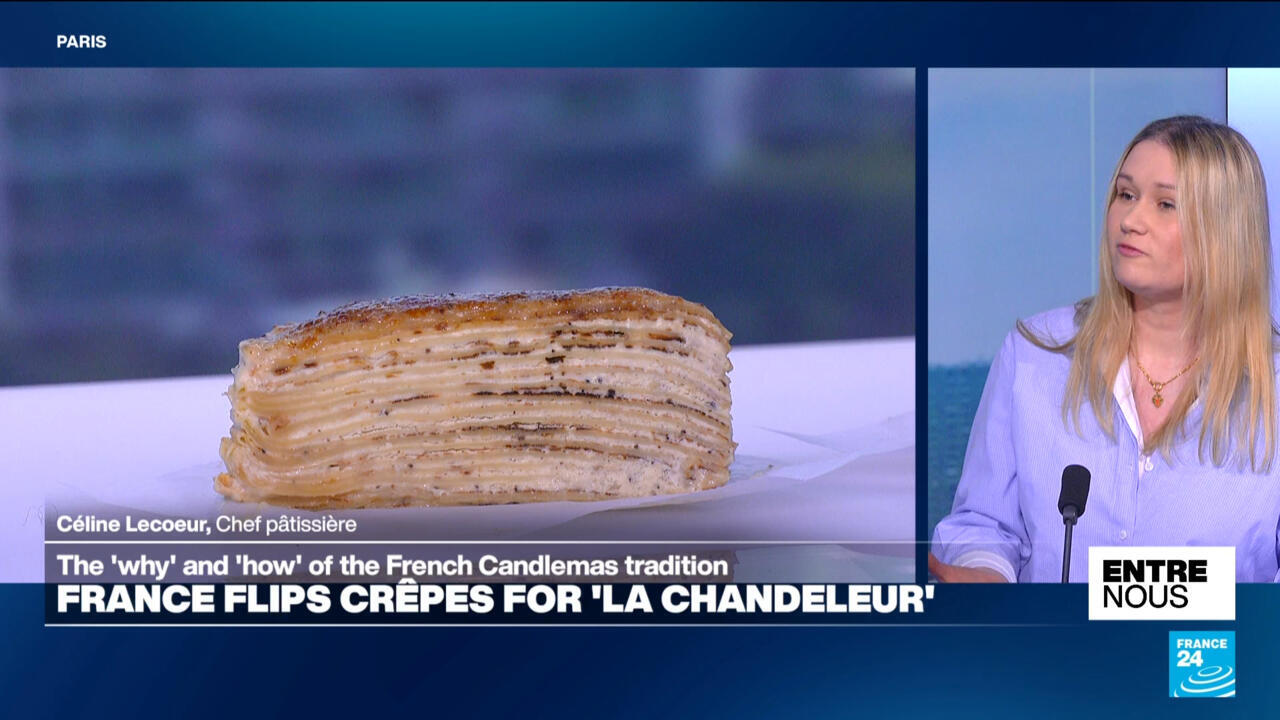
The French observance of La Chandeleur, or Candelmas, occurs annually on February second, marked by the widespread consumption of crêpes across the nation. This tradition, detailed by pastry chef Céline Lecœur of a Paris ninth arrondissement pâtisserie, connects religious history with contemporary French culinary economics. Analysts are examining how seasonal food traditions influence local business cycles.
Lecœur provided context on the origins of the pancake-eating custom, linking it to purification rituals and the end of the winter scarcity period. Historically, the practice involved using up remaining pantry staples like eggs and flour before lent, ensuring no food went to waste. This historical driver remains relevant in understanding consumer behavior during transitional economic periods.
Reportedly, a key element of the tradition involves the specific technique of flipping the crêpe, often resulting in the first attempt being imperfect. Lecœur noted this commonality, suggesting it reflects a shared cultural experience surrounding the preparation process. This detail offers insight into the informal, domestic side of French consumption habits.
While the focus is cultural, the volume of crêpe ingredients sold during this period represents a measurable uptick for French agricultural commodities and retail sectors. Major suppliers of flour and dairy often see predictable sales spikes corresponding precisely with the date of La Chandeleur. This micro-economic indicator warrants attention from food industry analysts.
France 24’s segment, produced by Amanda Alexander, Marina Pajovic, and Georgina Robertson, utilized Lecœur’s professional perspective to bridge the gap between folklore and modern commerce. Such features underscore how deeply embedded cultural moments affect daily economic activity in specialized markets.
The persistence of La Chandeleur suggests that deeply rooted cultural habits maintain relevance even as globalized consumption patterns emerge. Businesses that successfully integrate these traditions into marketing strategies often secure loyal consumer bases for short, intense periods.
Moving forward, observers will monitor whether newer processed food alternatives begin to displace traditional homemade crêpe sales during this crucial February window. The continuity of this specific culinary ritual serves as a case study in cultural resilience within the Western European consumer base.