Eighteen matches concluded the regular season phase of the UEFA Champions League on Thursday, delivering several unexpected results that will reshape the immediate competitive outlook for several European football powerhouses. The final set of fixtures determined which clubs advance directly to the March round of 16 and which must navigate preliminary playoff contests.
Paris Saint-Germain (PSG), Real Madrid, and Inter Milan secured qualification but were forced into the playoff bracket following inconsistent final-round performances, according to reports detailing the results. This unexpected positioning mandates these historically strong clubs face two additional high-stakes matches in February before reaching the main knockout stage.
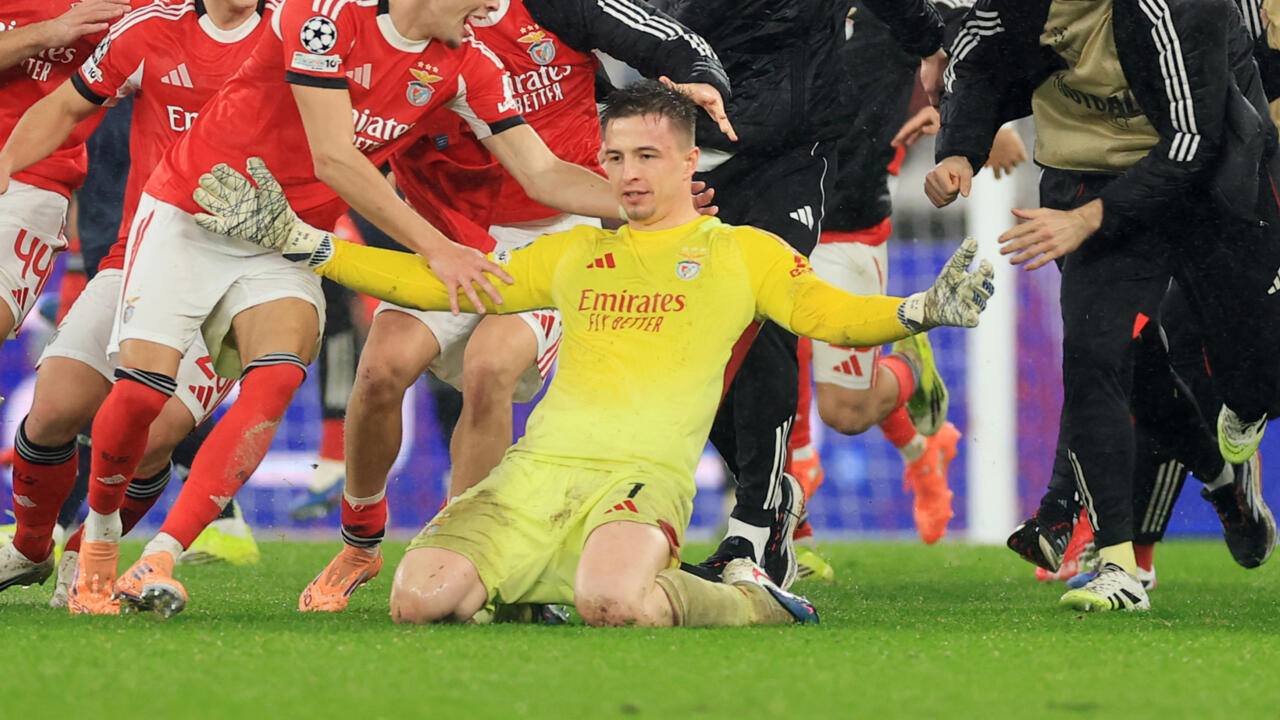
The most significant upset involved Marseille, which was eliminated late in the evening after Benfica secured a critical victory in their respective fixture. This result underscores the volatility inherent in the restructured league format, where a single match result can drastically alter a club's participation timeline.
Conversely, clubs such as Arsenal maintained perfect records throughout the regular season, securing direct passage to the round of 16 without facing the added pressure of the playoffs. This contrasts sharply with the competitive challenges faced by the seeded giants who now must recalibrate their mid-season schedules.
From an economic perspective, early elimination or the requirement for additional playoff matches impacts revenue streams associated with gate receipts and broadcast exposure for the involved organizations. The financial implications of these results are substantial for clubs relying on deep tournament runs for operational budgets.
Geopolitically, the performance of clubs representing major European leagues often reflects national sporting prestige, making these final standings a point of soft power competition among member associations. The qualification status of these traditional heavyweights influences media narratives across the continent.
The focus now shifts to the February playoff draw, where the seeded teams will face determined opposition aiming to capitalize on the opportunity to eliminate established contenders. The scheduling complexity presents a significant logistical challenge for team management and player conditioning leading into March.
This conclusion to the regular season confirms that success in the current iteration of the tournament requires not only consistent elite performance but also the ability to navigate high-pressure, winner-take-all scenarios late in the calendar. The analysis provided by france24.com highlighted the sheer drama of the concluding fixtures.