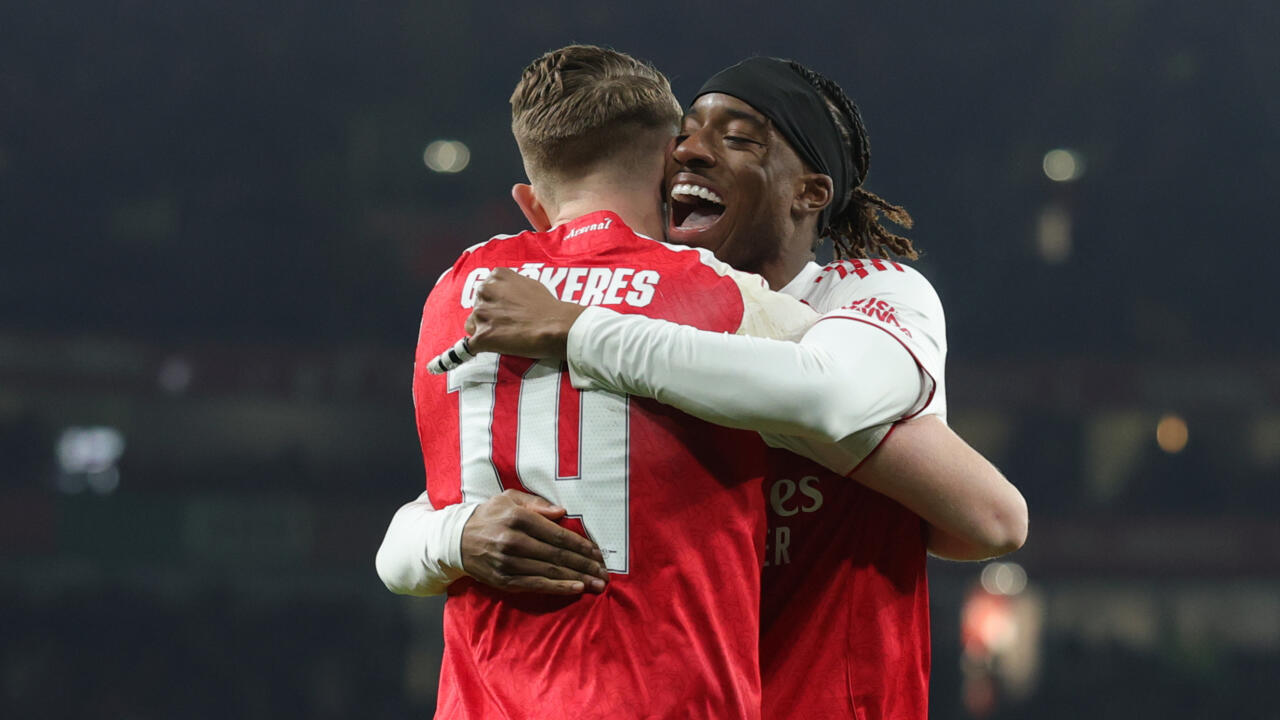
The conclusion of the Champions League group stage has solidified a notable trend in European football: the pronounced dominance of English clubs. With Arsenal completing a flawless eight-for-eight performance in the league phase, securing the top spot, they anchor a contingent of five Premier League sides advancing to the knockout rounds.
This level of representation—Liverpool, Tottenham, Chelsea, and Manchester City joining Arsenal—highlights the immense capital reserves and resulting player acquisition power now concentrated within the English top flight. This financial muscle translates directly into on-pitch performance consistency, setting them apart from many continental rivals.
Arsenal's campaign, punctuated by a victory over Kairat Almaty where Kai Havertz featured prominently, exemplifies a strategic maturation within the club structure, moving beyond mere participation to asserting outright superiority in the initial stages of the competition.
Conversely, the path for other major European leagues appears increasingly bifurcated. While the presence of five English entities signals a robust commercial appeal for the Premier League's broadcast product globally, it simultaneously raises concerns regarding competitive parity across the continent’s premier club tournament.
Meanwhile, Newcastle United faces a more precarious route, needing to navigate the play-offs to join their domestic counterparts. This division suggests that while the top tier of English football is ascending, pockets of the established European order remain vulnerable to fluctuation.
While the focus remains tightly fixed on football, the broader implications for global sports investment are evident. The sustained success of English clubs reinforces the Premier League's status as the most valuable football league asset globally, attracting disproportionate international viewership and sponsorship revenue.
This analysis confirms that the structure of European football economics is increasingly favoring leagues capable of sustaining high-volume, high-value talent retention, a dynamic driven primarily by the English market. The ensuing knockout stages will test whether this financial advantage can be converted into ultimate continental silverware. (Source: Adapted from France 24 reporting on Champions League results.)