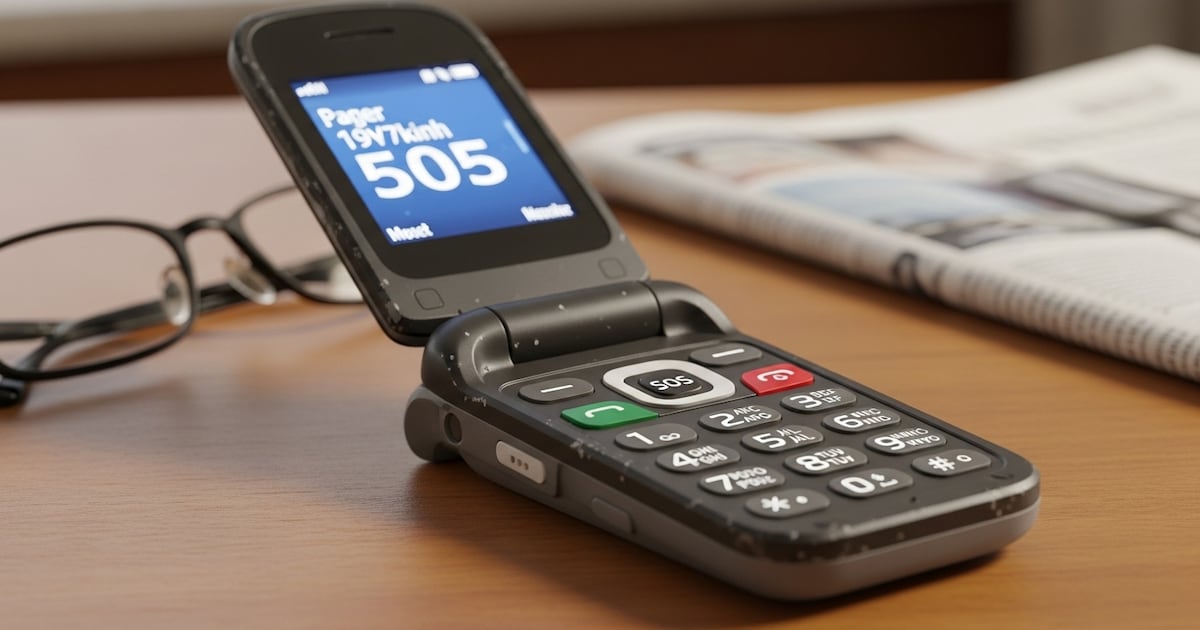
A growing number of Chilean consumers are abandoning smartphones for basic feature phones to combat digital fatigue and reclaim personal time in an increasingly connected world. This shift utilizes WhatsApp Web to maintain connectivity while reducing screen time significantly for daily tasks and professional communication. The trend reflects broader concerns over data privacy and mental health across Latin America as digital saturation increases among the workforce.
Digital wellness advocates argue that constant notifications harm productivity and increase stress levels among young professionals and students alike. Users report improved focus when switching to devices with physical keyboards that require conscious effort to type messages accurately. This method limits access to infinite scrolling feeds found on modern operating systems that drive addiction through algorithmic engagement.
WhatsApp Web integration allows messaging without the full app installed on the device itself for security and storage reasons. However, technical barriers exist regarding browser compatibility on older hardware units that lack modern rendering engines and sufficient RAM. Users must synchronize accounts carefully to ensure seamless communication between the phone and the web interface without data loss.
In Chile, telecommunications regulators are accelerating the shutdown of 2G and 3G networks nationwide to prioritize 5G coverage for urban centers and industrial zones. Experts warn that purchasing outdated models may result in immediate obsolescence for new buyers without proper verification of frequency bands. Compatibility with 4G LTE is now a mandatory requirement for any new mobile device entering the local market according to Subtel. This transition aims to free up spectrum for next-generation services that support higher data speeds.
Specific models like the Nokia 2780 Flip are popular for their durability and extended battery life in the region and rural areas. Reports indicate these devices offer up to 18 days of standby time during regular usage without needing a charger for weeks. Prices range from 80 to 95 USD depending on the retailer and local availability in Santiago and Valparaiso stores.
Support for KaiOS ended in 2025, complicating official app installation on many feature phones globally and locally for users. Developers and tech communities have found alternative methods to bypass these restrictions effectively for users seeking freedom from apps. Some users employ modified browsers to access desktop versions of messaging platforms through QR code scanning processes on small screens. The workaround involves activating desktop mode to generate a QR code that can be scanned by a primary smartphone.
Privacy advocates note that basic phones collect significantly less user data than smartphones with advanced sensors and location tracking. This reduction in tracking aligns with global movements toward data sovereignty and protection for individual rights and digital autonomy. It represents a shift away from surveillance capitalism models prevalent in the tech sector and advertising industry targeting youth.
The economic impact includes reduced hardware replacement cycles for average consumers in the region who face high inflation rates. People are extending device lifespans to over 10 years in some cases of careful maintenance and repair services available locally. This contrasts with the planned obsolescence typical of the modern smartphone industry and its complex global supply chains. This behavior supports a circular economy model that reduces electronic waste and lowers the total cost of ownership significantly.
Market analysts predict sustained interest in low-tech solutions for the near future as connectivity costs rise and energy prices fluctuate. Adoption rates will depend on network infrastructure improvements in rural areas of the country where signal is weak and unreliable. The trend highlights a demand for technology that serves users rather than monetizing them through data extraction and advertising.