Disability Advocate Reshapes Ghana's Fashion Industry with Kente Prosthetic
Publicidad
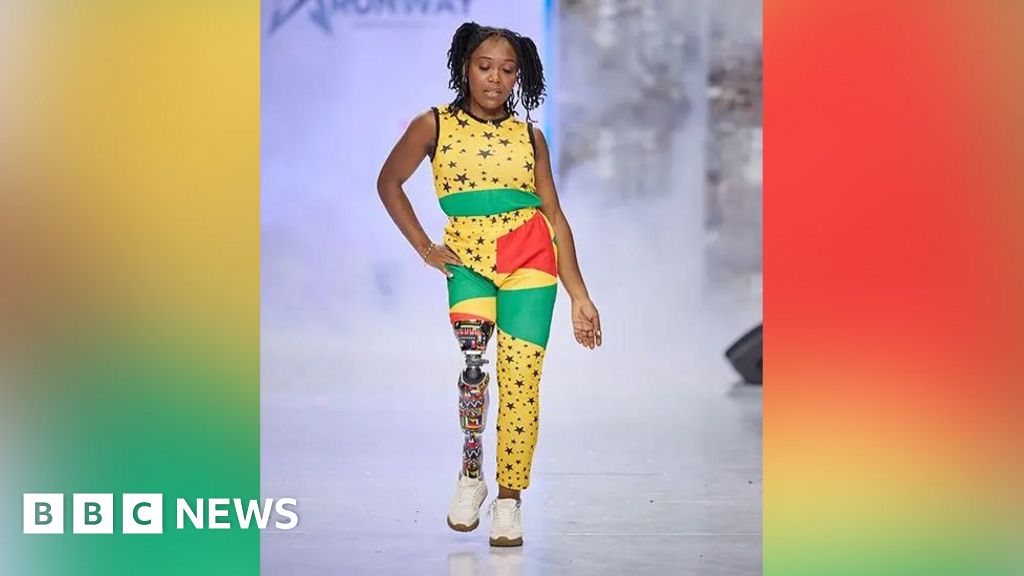
In a striking display of cultural identity and disability advocacy, Ghanaian-American model Abena Christine Jon'el has emerged as a transformative figure in Ghana's fashion landscape, challenging perceptions while bridging diaspora connections and accessibility discourse.The 33-year-old writer and model made headlines at the 15th edition of Rhythms on the Runway, one of Africa's premier fashion shows, where she walked the catwalk with her prosthetic leg wrapped in traditional kente cloth. The moment represented more than fashion—it signaled a paradigm shift in Ghana's approach to disability representation and cultural identity.Jon'el's journey began with childhood adversity. At age two, she faced rhabdomyosarcoma, a rare aggressive soft-tissue cancer requiring leg amputation. Rather than limiting her trajectory, this experience shaped her advocacy philosophy and professional mission."Disability is not a limitation," Jon'el explains from Accra, where she has lived since 2021. "Having a disability is not what makes you disabled. Lack of support, lack of accessibility, that is what disables you."Her relocation to Ghana followed what she describes as an ancestral calling. After years of studying pre-colonial West African history while living in Chicago, her first visit to Ghana's Assin Manso slave river site created what she calls "a moment that rearranged my entire understanding of myself."The economic and social implications of her advocacy extend beyond individual representation. Ghana's disability sector, which affects approximately 3% of the population according to government statistics, has historically lacked mainstream visibility in commercial spaces like fashion and entertainment."In Ghana, disabled people have not been widely showcased in a positive light," Jon'el observes, drawing contrasts with accessibility progress in the United States. "So stigma thrives. People do not see us in powerful or beautiful or joyful positions."Her strategic approach to visibility culminated in her direct outreach to Rhythms on the Runway organizers. The calculated risk paid dividends, with Tourism, Culture and Arts Minister Abla Dzifa Gomashie noting that Jon'el's "strength showed right through, speaking volumes."The cultural symbolism of her kente-wrapped prosthetic represents broader themes of diaspora investment and cultural reclamation. "My Ghanaian identity is not pretend," she emphasizes. "It is ancestral."Fashion industry analysts suggest Jon'el's visibility could catalyze broader inclusivity initiatives across West Africa's growing creative economy, which the African Development Bank values at over $4.2 billion annually.Her advocacy model—combining cultural pride with accessibility activism—offers a framework for addressing representation gaps in emerging markets where disability rights infrastructure remains underdeveloped.As Ghana positions itself as a hub for diaspora return migration and cultural tourism, Jon'el's story illustrates how individual advocacy can influence broader social and economic narratives around inclusion and identity.This report draws from BBC coverage and additional regional analysis.