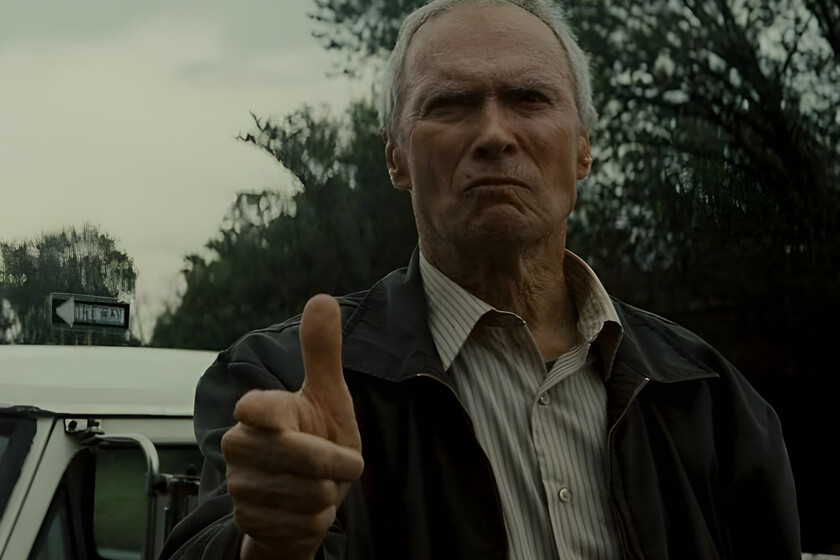
Clint Eastwood recently questioned the originality of American art compared to European standards during a recent media appearance. The veteran actor made the remarks during an interview reported by Fotogramas regarding the state of cinema. He suggests the United States lacks unique creative expressions in the current landscape compared to other regions.
The Western genre serves as a primary example of American storytelling history throughout the twentieth century. Early filmmakers like Harry Carey established archetypes for the silent cinema era specifically. These narratives focused on heroic figures defending justice within a frontier setting effectively.
Director John Ford collaborated with Carey during the silent film period of the early nineteen teens. Their partnership produced notable projects such as Straight Shooting in 1917. This work laid the foundation for future stars within the genre. The collaboration defined the visual language of the American frontier for decades.
John Wayne later emerged as the most recognizable face of the Western movement globally. He starred in iconic titles including Rio Bravo and The Searchers during his long career. His professional success solidified the cowboy image as a global American symbol.
The genre experienced a significant resurgence through European productions known as spaghetti Westerns. Italian actors like Franco Nero gained popularity alongside Terence Hill and Bud Spencer. This shift introduced new stylistic elements to the traditional format.
Eastwood rose to fame during the nineteen sixties in Europe with director Sergio Leone. The director and actor created the famous Dollar trilogy together. This success allowed Eastwood to transition into directing his own narratives.
His film Unforgiven won Academy Awards for Best Picture and Best Director. Eastwood notes that the Western remains one of the few original forms in US production today. He contrasts this with the perceived lack of innovation elsewhere.
This critique holds weight for Latin American viewers who consume American media daily. The dominance of Hollywood content impacts local film industries across Mexico significantly. Cultural exchange remains a complex dynamic between the nations regarding media consumption. Mexican distributors often rely on US releases to fill theater schedules.
Industry analysts watch for shifts in production as originality becomes a scarce commodity worldwide. Studios may seek European influences to revitalize domestic storytelling and attract audiences. This trend could alter distribution deals in North American markets. Mexican film sectors must compete with imported content which affects national economic output.
Eastwood's perspective highlights ongoing debates regarding creative stagnation in the sector. Future projects will likely face scrutiny regarding their innovative potential. The film community continues to evaluate the balance between tradition and novelty. Policymakers may consider subsidies to protect national cultural identity.