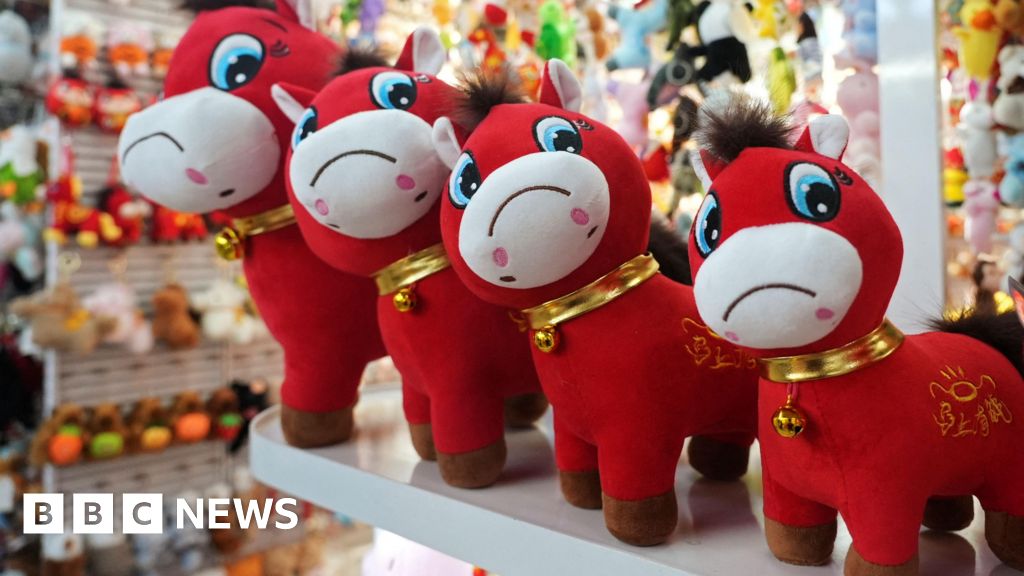
China's 'Crying Horse' Plushies Mirror Worker Discontent Ahead of New Year
A manufacturing mishap in China's commercial hub of Yiwu has inadvertently captured the zeitgeist of the country's workforce, as 'crying horse' plush toys become an unexpected viral phenomenon ahead of Lunar New Year celebrations.The sad-faced equine toys, originally created when a factory worker mistakenly sewed a smile upside down, have struck a chord with Chinese millennials and Gen Z workers who see their own workplace struggles reflected in the toy's melancholic expression. Zhang Huoqing, owner of Happy Sister shop in Yiwu, told Reuters that what began as a potential customer complaint has transformed into a manufacturing surge to meet unprecedented demand."A lot of customers like it, and they said it makes sense: that it suits the spirit of today's corporate slaves," Zhang explained, using a colloquial term that has gained traction among Chinese workers describing their employment conditions. The phenomenon highlights broader economic pressures facing China's younger workforce, including extended working hours, job insecurity, and limited work-life balance.The 20-centimeter tall red horses, priced at 25 yuan (approximately $3.50), feature traditional New Year symbols including golden collars and the phrase "money comes quickly" embroidered in gold letters. However, it's the toy's inadvertent expression of workplace fatigue that has driven sales beyond China's borders, according to media reports.Social media users have embraced the crying horse as a symbol of the duality between professional obligations and personal happiness. "People joked that the crying horse is how you look at work, while the smiling one is how you look after work," Zhang noted, reflecting a sentiment that has resonated across China's social media platforms.The viral success of these toys occurs against the backdrop of China's evolving labor market dynamics, where younger workers increasingly voice concerns about work conditions and mental health. The phenomenon coincides with the approaching Year of the Horse in the Chinese zodiac calendar, which begins in February 2025.While some business owners question the cultural implications of celebrating workplace dissatisfaction, the crying horse's popularity underscores the economic and social pressures facing China's workforce as the country navigates post-pandemic recovery and evolving employment expectations.