Bangladesh approved its national shooting team’s tour to New Delhi for the upcoming Asian Shooting Championships, a decision contrasting sharply with the recent withdrawal of its cricket team from the T20 World Cup over security reservations in India. The move underscores divergent risk evaluations across different sporting disciplines amid underlying geopolitical friction between Dhaka and New Delhi.
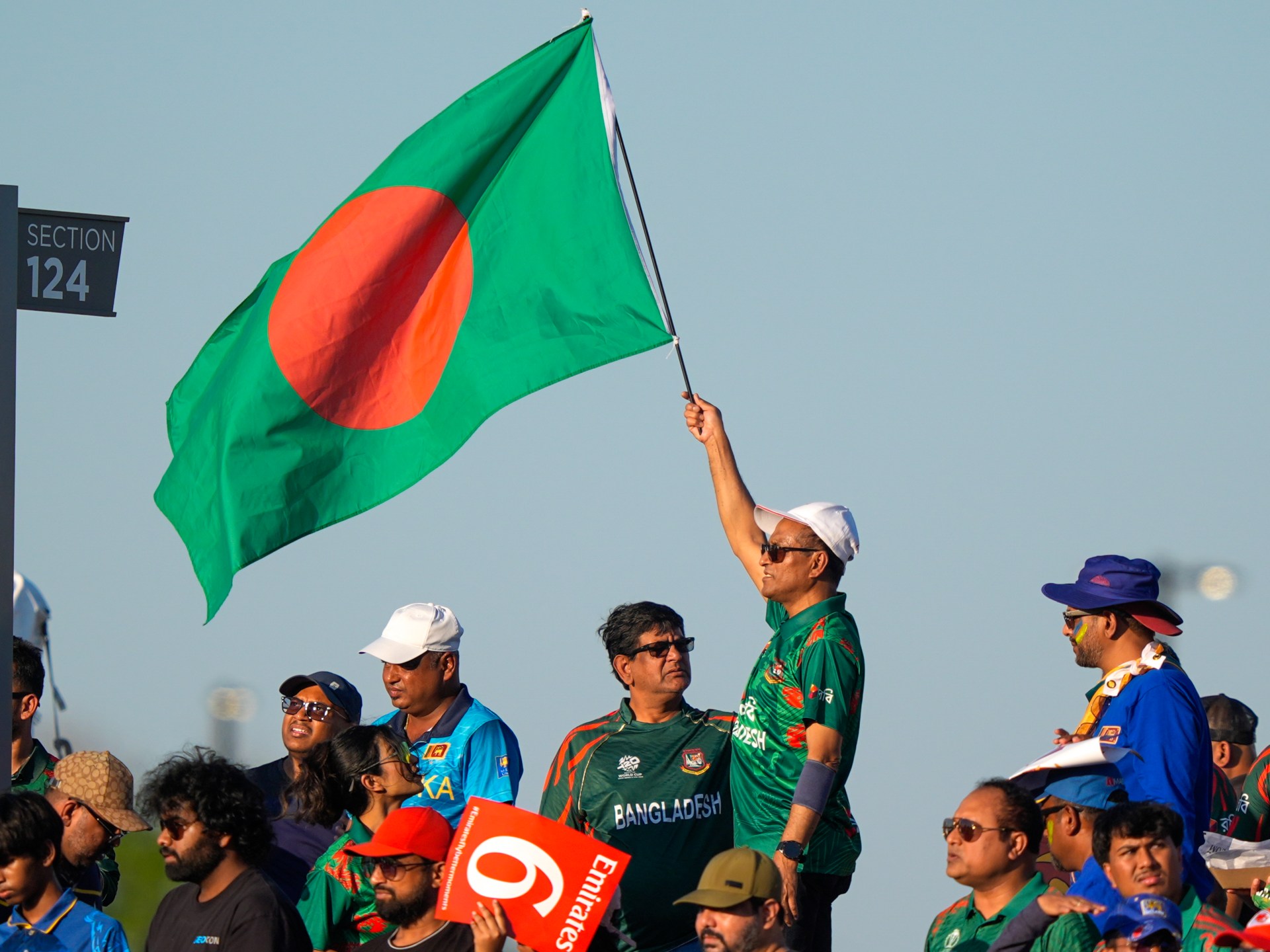
The cricket team was replaced by Scotland in the T20 World Cup, which runs from February seven to March eight, after Bangladesh insisted on shifting matches to Sri Lanka, a co-host nation, citing security threats. The International Cricket Council (ICC) rejected this request, deeming the late fixture change unfeasible based on independent security assessments.
Media reports in Bangladesh confirmed that a three-member delegation, including shooter Robiul Islam, coach Sharmin Akhter, and jury member Saima Feroze, received clearance from the Ministry of Youth and Sports. This administrative approval now permits their participation in the continental championship scheduled from February two to fourteen.
Pawan Singh, secretary-general of the National Rifle Association of India (NRAI), verified the team’s confirmed presence in New Delhi. Singh stated that Bangladesh’s participation had been finalized a month prior, emphasizing that clearance applications for all participating nations had been in process for nearly three months.
Singh referenced adherence to norms set by the International Shooting Sport Federation (ISSF) and the International Olympic Committee (IOC) charter, noting consistent government support for NRAI operations. This context suggests the government’s decision pathway for the shooting event followed established international sporting governance procedures.
Furthermore, the NRAI official indicated that the Bangladeshi contingent did not request any special security arrangements for the New Delhi event. Singh suggested this confidence stems from prior experience, noting the team has participated in numerous Indian tournaments and is familiar with established security protocols.
This situation presents an intriguing geopolitical vignette where sporting bodies navigate varying levels of perceived threat, contrasting the high-profile security demands of international cricket with the requirements of rifle and pistol championships. The focus now shifts to the smooth execution of the Asian Shooting Confederation-organized event in the Indian capital.
The broader economic implication centers on bilateral sporting ties, which often serve as soft power conduits, even when high-level political rhetoric remains strained. The successful staging of the shooting championship will offer a counter-narrative to the recent, highly publicized cricket dispute.