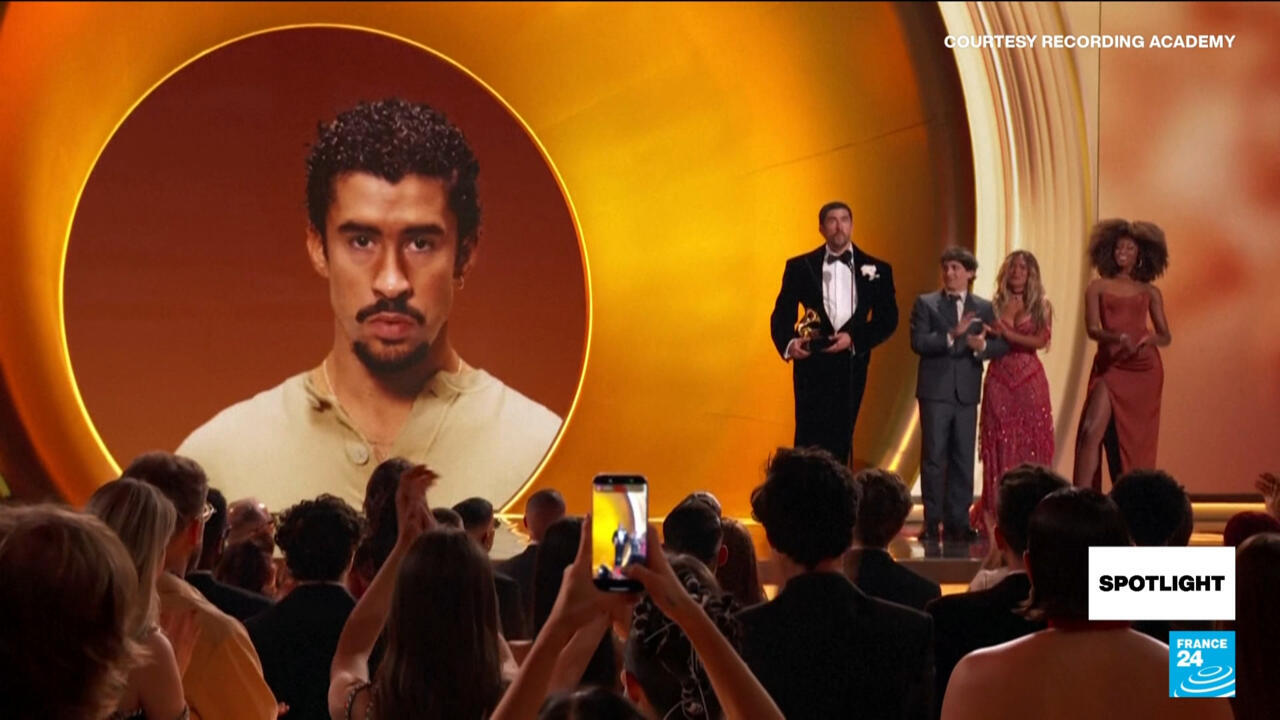
Latin music powerhouse Bad Bunny captured the coveted Album of the Year award at the recent Grammy ceremony in Los Angeles, achieving a historic milestone as the first Spanish-language album to secure the accolade. The artist, born Benito Antonio Martinez Ocasio, triumphed over established contenders Kendrick Lamar and Lady Gaga for the industry's highest honor, according to reports from the event.
The winning album, "Debí Tirar Más Fotos," serves as a musical homage to Bad Bunny’s Puerto Rican heritage and follows its earlier success at the Latin Grammy Awards in November. The artist dedicated the award to those forced to leave their homelands pursuing aspirations, resonating with themes of migration evident throughout the telecast.
This recognition arrives ahead of the artist's high-profile performance headlining the Super Bowl halftime show, introducing him to a significantly broader English-speaking American audience. The selection has drawn criticism from certain traditionalists, including former President Donald Trump, who publicly questioned the artist’s credentials.
Bad Bunny utilized his acceptance moment to voice political solidarity, explicitly calling for the cessation of Immigration and Customs Enforcement (ICE) operations, an issue that has informed his recent tour decisions. Several attendees reportedly displayed 'ICE Out' buttons, underscoring a prevailing sentiment against federal immigration enforcement actions.
Beyond the headline win, the ceremony recognized other international successes, including British soul-pop singer Olivia Dean, who won Best New Artist and referenced her Guyanese immigrant grandmother in her acceptance speech. These moments underscore the increasing visibility of diverse, globally-rooted narratives within the U.S. entertainment economy.
Kendrick Lamar secured five awards, including Best Rap Album, while Billie Eilish and Finneas O'Connell earned Song of the Year for their single "Wildflower." Furthermore, the KPop genre achieved its first Grammy victory when the song "Golden" won for Best Song Written for Visual Media.
The Recording Academy continues to adjust its voting body, having incorporated approximately one thousand Latin Grammy voters this year, with 73% of its membership having joined since 2019. This structural evolution likely contributes to the increasing recognition of non-English language productions on the main Grammy stage.
The event’s broader significance points toward the continued economic integration of global music genres into the dominant U.S. entertainment sector. The Grammys are increasingly reflecting market shifts where Spanish-language content commands significant global streaming revenues and cultural capital.