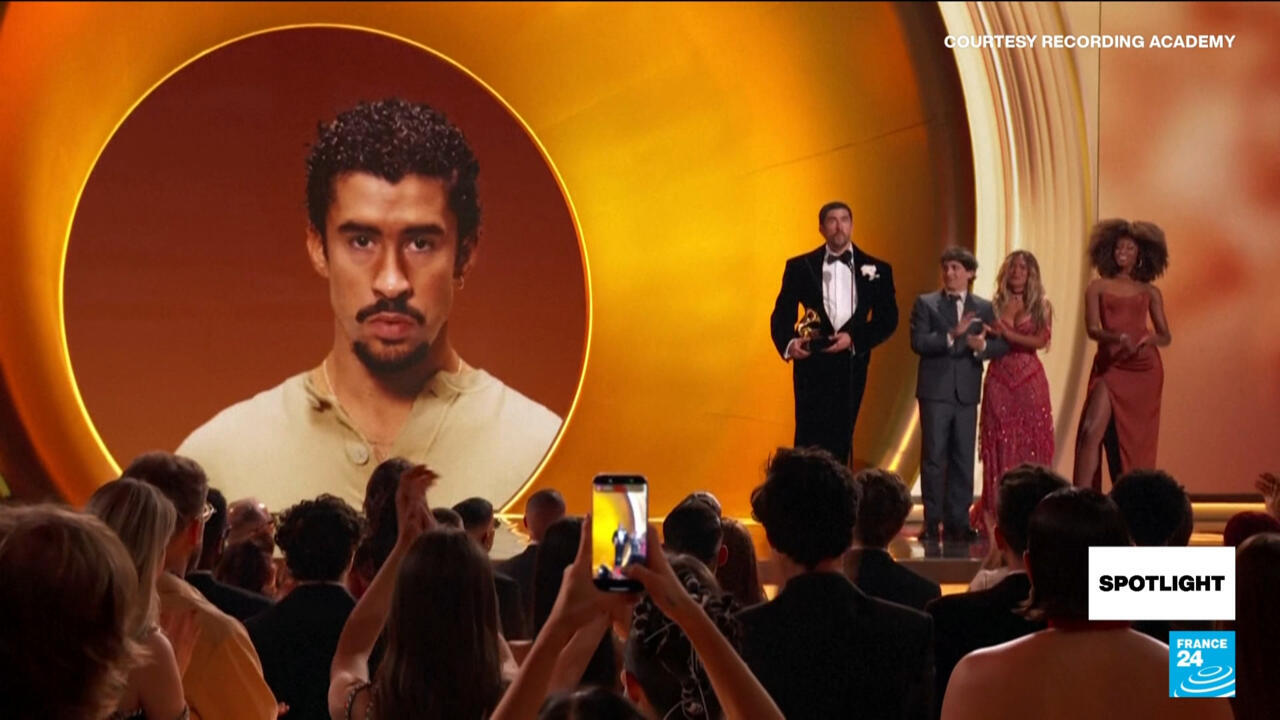
Bad Bunny made history at the recent Grammy Awards by claiming the Album of the Year prize for his work, making it the first Spanish-language album to secure the prestigious honor. This milestone reflects significant shifts in global music consumption and the increasing economic relevance of non-English content in major Western markets. Other notable winners included Kendrick Lamar, Billie Eilish, and Olivia Dean, as reported by France 24.
Expanding on the cultural significance, this victory validates the substantial commercial viability of music produced outside the traditional Anglophone industry framework. The success of Spanish-language recordings often signals deeper integration of Latin American consumer bases into mainstream global media economies. This trend has been observed across streaming services and international touring revenue.
Known for his politically charged commentary, Bad Bunny delivered a pointed speech during his acceptance, specifically addressing recent United States immigration raids. This use of a high-profile cultural stage for political advocacy highlights how international artists are increasingly engaging with geopolitical issues relevant to their diasporic audiences.
Further cementing his activism, the artist is slated to incorporate similar themes into his upcoming performance at the Super Bowl halftime show. This dual platforming—at both the Grammys and the Super Bowl—amplifies the reach of his socio-political messaging to unparalleled viewership numbers. Producers are closely monitoring the potential commercial impact of such statements.
France 24’s Wassim Cornet provided on-the-ground reporting from Los Angeles, detailing the atmosphere surrounding the event and the artist’s reception. Coverage focused on the dual nature of the evening: celebrating artistic achievement alongside moments of direct social critique.
The broader implication for the entertainment sector involves rethinking traditional market segmentation, as cultural barriers continue to erode due to digital distribution. Major labels are now consistently prioritizing talent that commands both critical acclaim and significant market share across diverse linguistic groups.
What follows will be closer scrutiny of how other global artists incorporate political commentary into high-stakes commercial appearances. The industry watches to see if this precedent sets a new standard for integrating activism with mainstream entertainment success.