A study released Wednesday by the White House Council of Economic Advisers (CEA) indicates that measures aimed at protecting bank credit by banning stablecoin yields would be economically ineffective. This conclusion directly challenges the banking industry’s long-standing argument that stablecoin yields drain bank deposits and undermine credit support for small businesses and households.
The 21-page report utilizes simulation models incorporating data from the Federal Reserve and the Federal Deposit Insurance Corporation (FDIC) regarding deposits, credit, and bank liquidity. Researchers also drew upon industry disclosures concerning stablecoin reserves and academic assessments of how consumers shift funds between various assets.
Stablecoin Yield Ban Questioned
The report specifically analyzes proposed revisions to the Digital Asset Market Clarity Act. Previously, the banking industry had lobbied to restrict reward mechanisms—often referred to as “yields”—offered by firms like Coinbase, arguing that such measures would alleviate competitive pressure on banks.
White House economists explicitly stated in the report that such a ban would not only fail to boost bank credit but would also harm consumer interests. "Simply put, banning yields does almost nothing to protect bank credit, while it does deprive consumers of the opportunity to earn a return on their stablecoin holdings," the report emphasized. "The conditions required for a yield ban to produce positive welfare effects are simply not met in reality."
Regulatory Focus Shifts to Illicit Finance
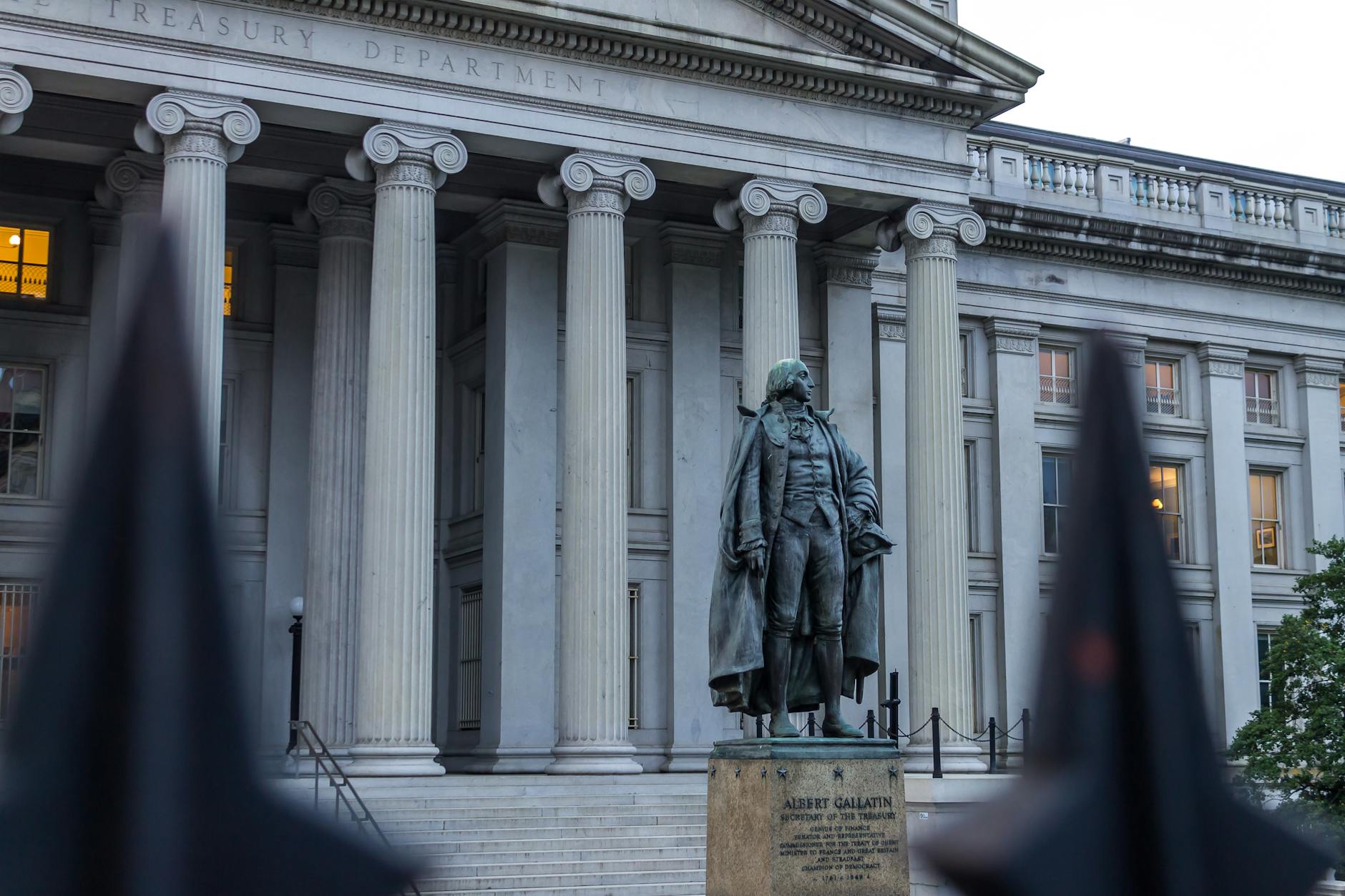
As the White House releases this economic analysis, regulators are tightening constraints on the stablecoin industry from a different angle. According to CoinDesk, the U.S. Treasury Department is drafting new regulatory requirements aimed at forcing stablecoin issuers to assume the same compliance responsibilities as traditional financial institutions, including the implementation of effective mechanisms to monitor and combat illicit transactions. This move signals that the U.S. government is attempting to integrate stablecoins into a broader financial defense framework to address potential risks related to money laundering and illicit finance.
The release of this report and the Treasury’s latest moves come as Congress remains deadlocked over the Digital Asset Market Clarity Act. Analysts suggest that the White House’s stance could shift the dynamics of negotiations on Capitol Hill. With the CEA providing data-driven support for the crypto industry, senior senators pushing for the legislation may gain new leverage to break the political stalemate surrounding stablecoin regulation.