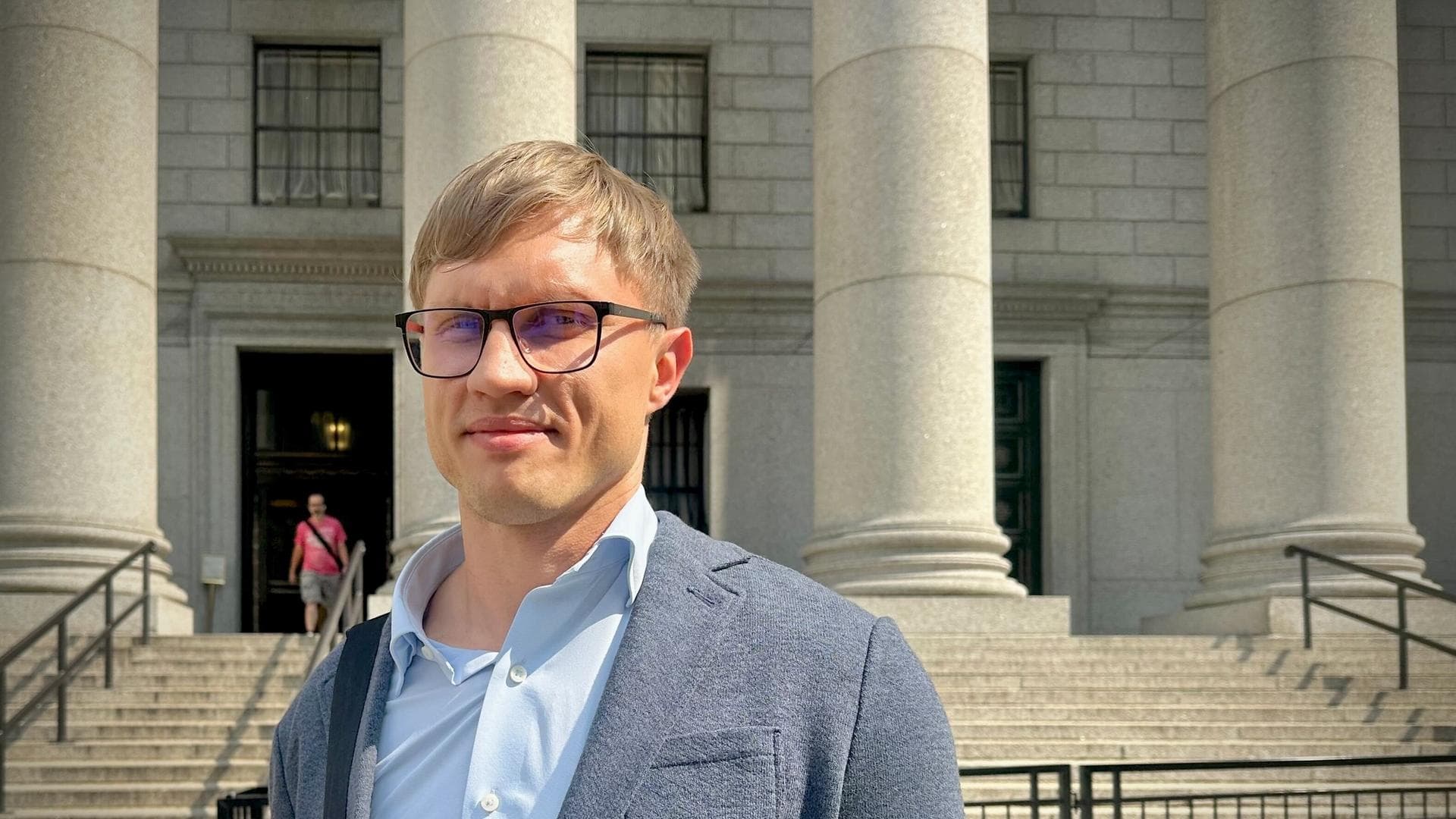
The U.S. Department of Justice formally rejected a motion to dismiss filed by Tornado Cash developer Roman Storm on Tuesday. In a letter to the court, federal prosecutors argued that a recent Supreme Court ruling on copyright law cannot be used as a defense in Storm’s case.
Storm was arrested in 2023 for operating the cryptocurrency mixing service Tornado Cash. Prosecutors allege the platform was used by criminals for money laundering, despite the software being designed to operate autonomously without direct developer intervention. While a Manhattan jury convicted Storm last year of operating an unlicensed money transmitting business, they failed to reach a verdict on charges of money laundering and sanctions violations. The DOJ is currently seeking a retrial on the remaining charges.
Prosecutors Emphasize Differences in Legal Application
Previously, Storm’s defense team cited the Supreme Court’s March 25 ruling in the Cox Communications case as grounds for dismissal. That ruling established that internet service providers are not liable for the illegal actions of their users. The defense argued that this logic should extend to software developers.
However, in a three-page letter filed Tuesday, the U.S. Attorney for the Southern District of New York countered that the Cox case is irrelevant to the current proceedings. Prosecutors pointed out that Cox had taken active measures to combat copyright infringement and that its services had broad, legitimate uses. In contrast, they allege that Storm was aware Tornado Cash was being used for criminal activity but failed to take any intervention measures.
In the letter, prosecutors further asserted that there is no evidence that privacy services like Tornado Cash have any "substantial or commercial" non-criminal uses. This argument has drawn sharp criticism from cryptocurrency privacy advocates, who maintain that all digital asset users are entitled to financial transaction privacy.
In the letter, the DOJ concluded: "The defendant’s conduct is in no way comparable to the conduct described in the Cox case. In any event, a civil copyright case has no bearing on this type of criminal prosecution."
Despite the Trump administration's pro-crypto stance, this push for a retrial signals that the government remains firm in its approach to cases involving crypto privacy developers. Since last year, federal prosecutors have continued to pursue such cases, notwithstanding industry calls for an end to the prosecution of developers.