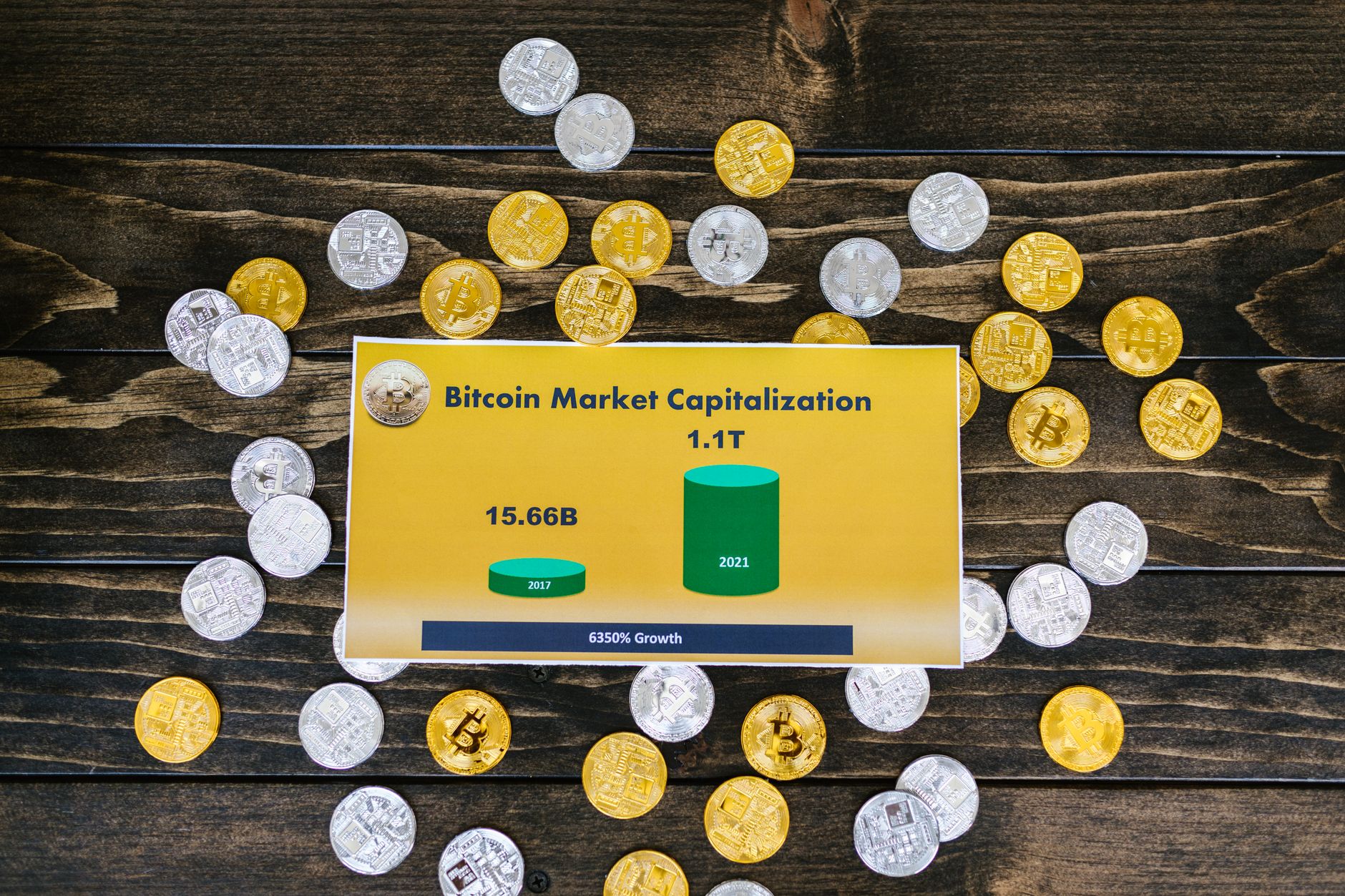
Breakthroughs in quantum computing are posing a genuine security threat to the $1.3 trillion Bitcoin network. According to a CoinDesk report, a recent research paper from Google sent shockwaves through the industry by suggesting that quantum computers could theoretically 'crack' Bitcoin’s encryption in just nine minutes. While this is viewed as a theoretical limit of computing power, developers no longer see it as a distant sci-fi scenario, but rather as an urgent engineering challenge.
Currently, approximately 6.9 million Bitcoin are considered more vulnerable to quantum attacks than the rest of the supply. To mitigate this risk, the developer community is evaluating various quantum-resistant cryptographic schemes aimed at upgrading the world’s oldest blockchain. This process is essentially a defensive race against time, ensuring that the network remains secure even as computing power enters a new era.
Liquidity Pressures Within the Market
While the technology faces the quantum challenge, the Bitcoin market itself is undergoing a volatile structural shift. Data from CryptoQuant shows that market demand for Bitcoin is shrinking at a rate of 63,000 coins per month. Over the past year, large holders—known as 'whales'—have offloaded nearly 188,000 Bitcoin, marking one of the most aggressive sell-offs on record.
This internal selling pressure stands in stark contrast to the moves of institutional investors. Even as whales exit their positions, ETFs and other institutional buyers continue to accumulate. This imbalance in supply and demand is thinning out market liquidity, increasing the risk of price volatility.
Meanwhile, trading infrastructure is evolving to improve investor participation. The shift toward 24/7 trading is gradually replacing traditional market hours, effectively ending the practice where brokers 'hunt' for stop-loss orders during off-market hours. Analysts suggest that the rise of these round-the-clock markets will diminish the pricing power held by traditional financial intermediaries outside of standard business hours, returning more control to individual investors.
For Bitcoin, this represents more than just a code upgrade for quantum resilience; it is a profound transformation aimed at achieving market fairness through technological evolution amidst a backdrop of contracting liquidity.