Global Energy Markets
Coverage of worldwide trends, pricing, supply, and demand dynamics across all major energy sectors, including oil, gas, renewables, and electricity.
The latest.
Tehran has warned it will irreversibly destroy regional water and energy systems if the United States strikes its power facilities. This declaration marks a dangerous escalation as a 48-hour deadline approaches for Iran to reopen the Strait of Hormuz to international shipping. Analysts fear the move could trigger a global economic crisis if energy flows are disrupted further.
Updates
50 updatesIran Vows to Destroy Middle East Energy Infrastructure If US Attacks Power Plants
Tehran has warned it will irreversibly destroy regional water and energy systems if the United States strikes its power facilities. This declaration marks a dangerous escalation as a 48-hour deadline approaches for Iran to reopen the Strait of Hormuz to international shipping. Analysts fear the move could trigger a global economic crisis if energy flows are disrupted further.
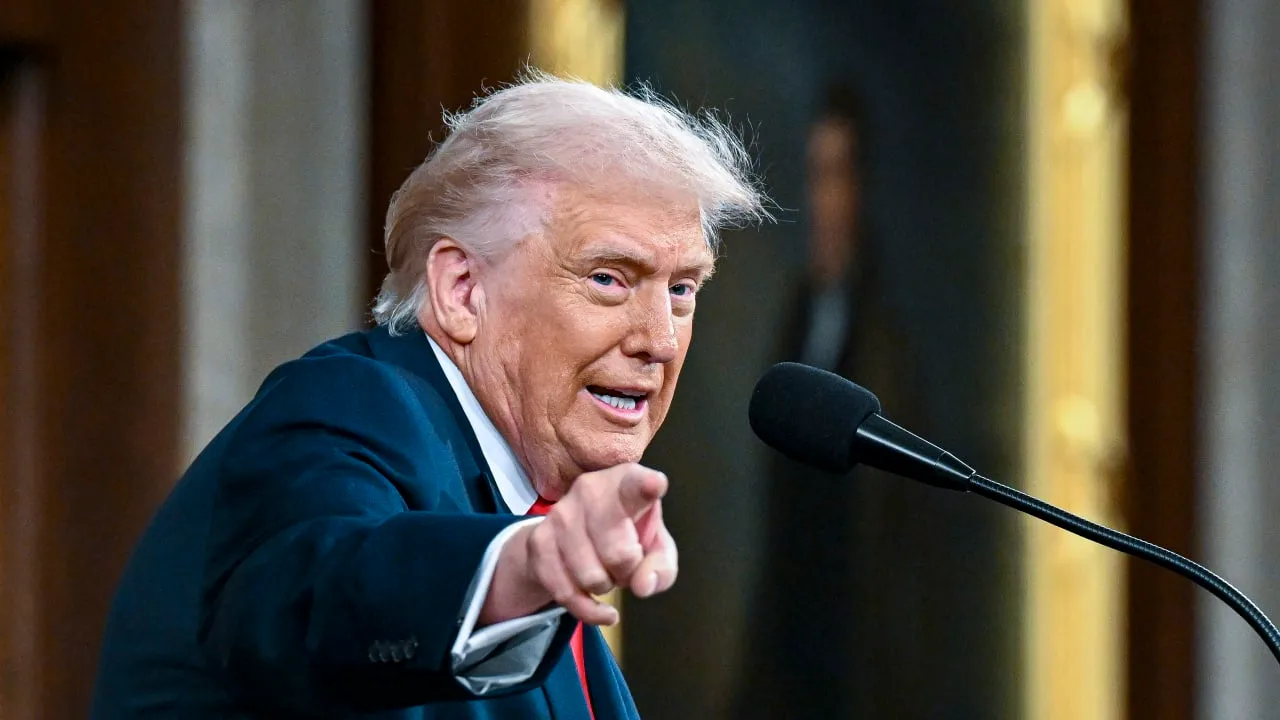
Trump Threatens Iran Power Plants Amid Strait of Hormuz Tensions
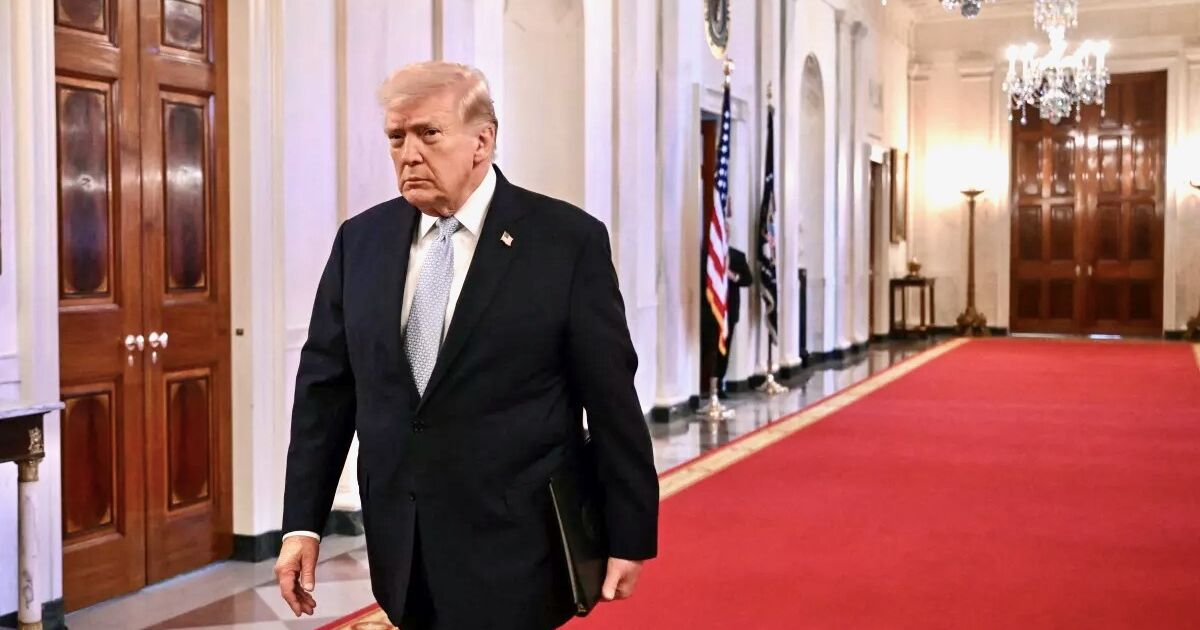
US President Donald Trump warned overnight to strike Iran’s power plants if the Strait of Hormuz does not reopen. Experts warn this threat could violate Geneva Conventions and disrupt global oil supply chains. The 48-hour ultimatum raises fears of significant regional escalation.
Trump Threatens to Obliterate Iranian Power Plants Over Strait of Hormuz Blockade
President Donald Trump issued a stark ultimatum to Iran on Saturday, threatening infrastructure destruction if the Strait of Hormuz reopens within 48 hours. The move escalates Middle East tensions as oil prices surge and global shipping faces severe disruption. Analysts warn this stance could trigger significant volatility in energy markets worldwide.
Trump Threatens Iran Power Plants as Strait of Hormuz Conflict Enters Day 23
US President Donald Trump has warned of severe consequences for Iran regarding the Strait of Hormuz as the conflict enters its twenty-third day. Tehran faces demands to reopen the waterway within two days or risk destruction of power infrastructure. Global markets remain on edge as diplomatic channels struggle to contain the escalation.
Cuba Plunged Into Darkness Again as Power Grid Collapses Amid Fuel Crisis
Cuba suffered a second nationwide power failure on Saturday, marking another critical disruption for the island nation's struggling infrastructure within a single week. The national electricity network collapsed again, leaving much of the capital and interior regions without power for extended periods as the grid struggled to manage severe fuel deficits.

Iran Threatens Middle East Infrastructure After Trump Ultimatum on Hormuz
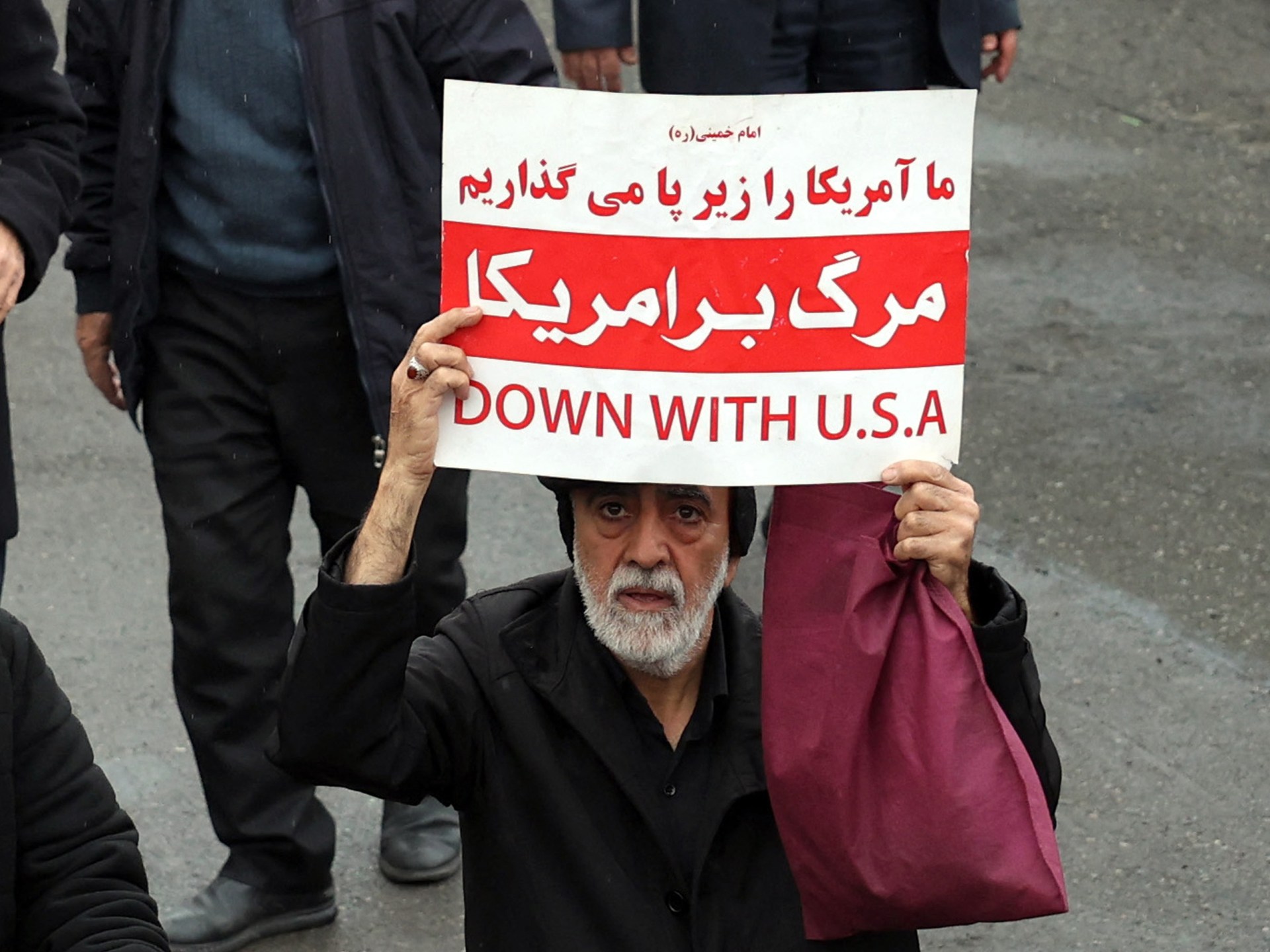
Iranian officials issued a stark warning on Sunday regarding critical infrastructure across the Middle East region following a vow from US President Donald Trump to obliterate power plants. The threat emerged as Washington insists the Strait of Hormuz must reopen immediately to prevent military action against the regime.
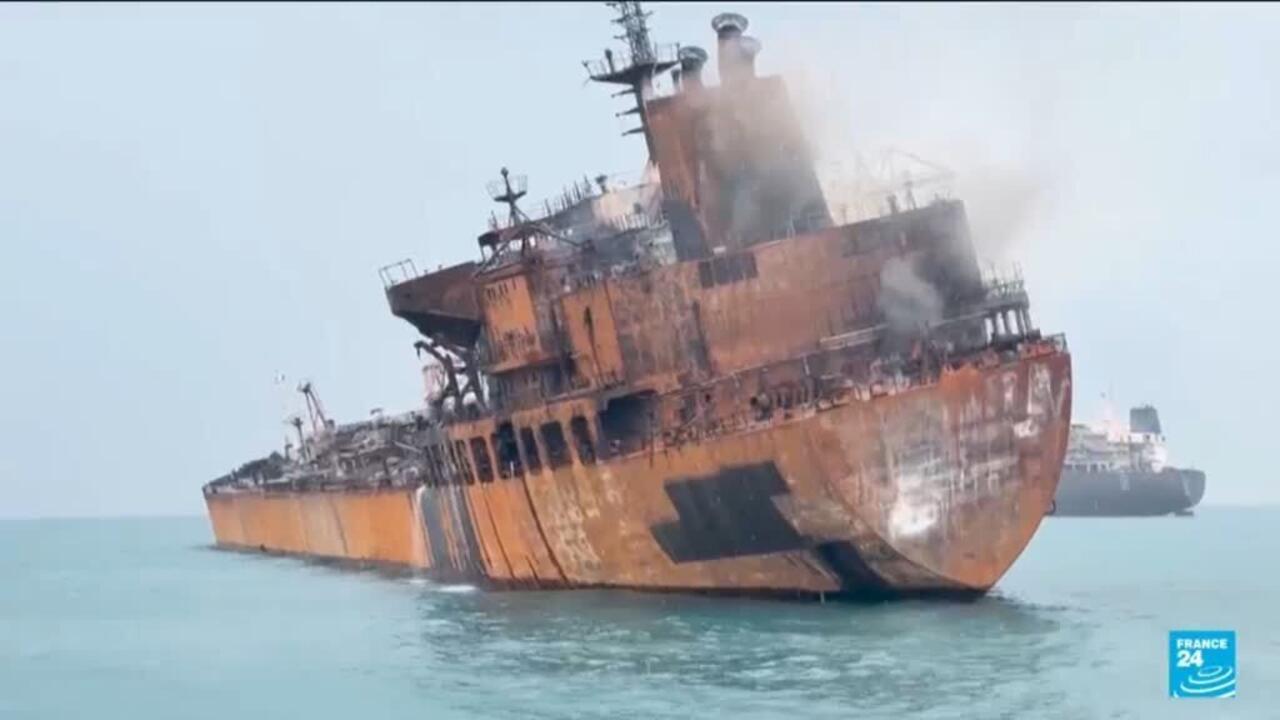
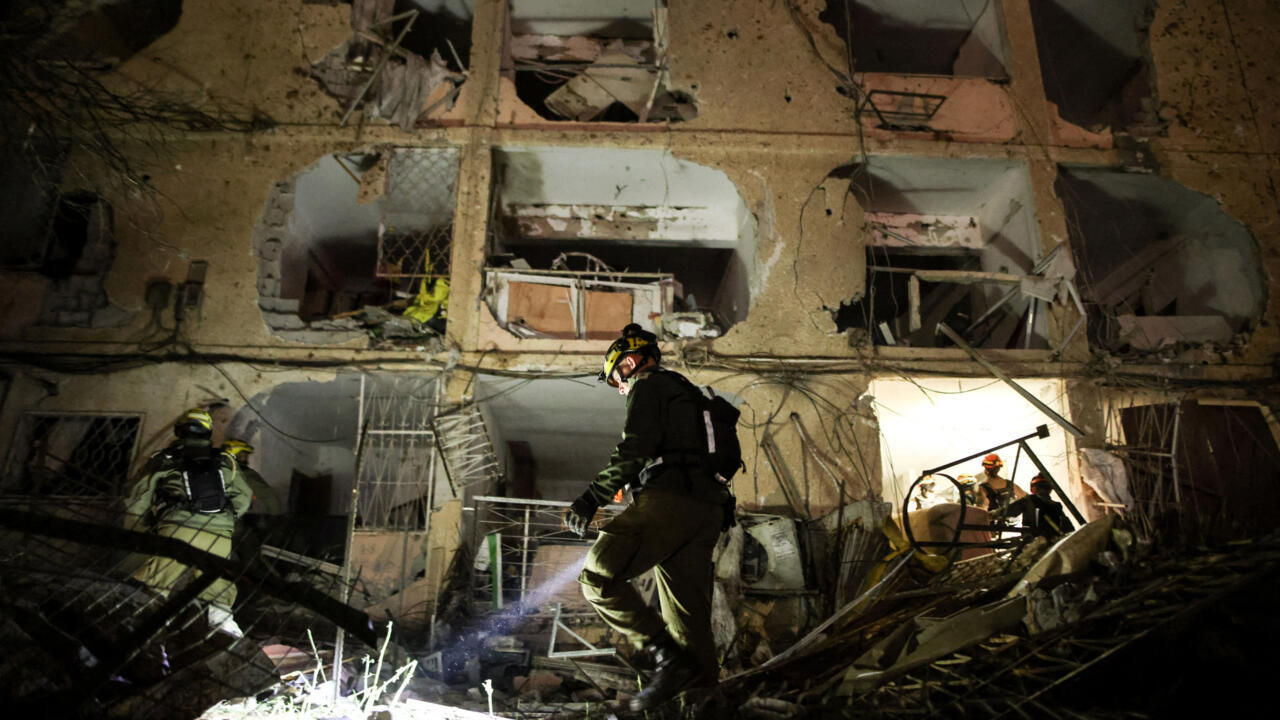
Iranian Missile Strikes Injure Over 100 in Southern Israel
Iranian missile strikes on two southern Israeli towns wounded more than 100 people on Saturday, according to local medics. The projectiles bypassed existing air defense systems, marking a critical development in ongoing regional tensions that have persisted throughout the first quarter of 2026.
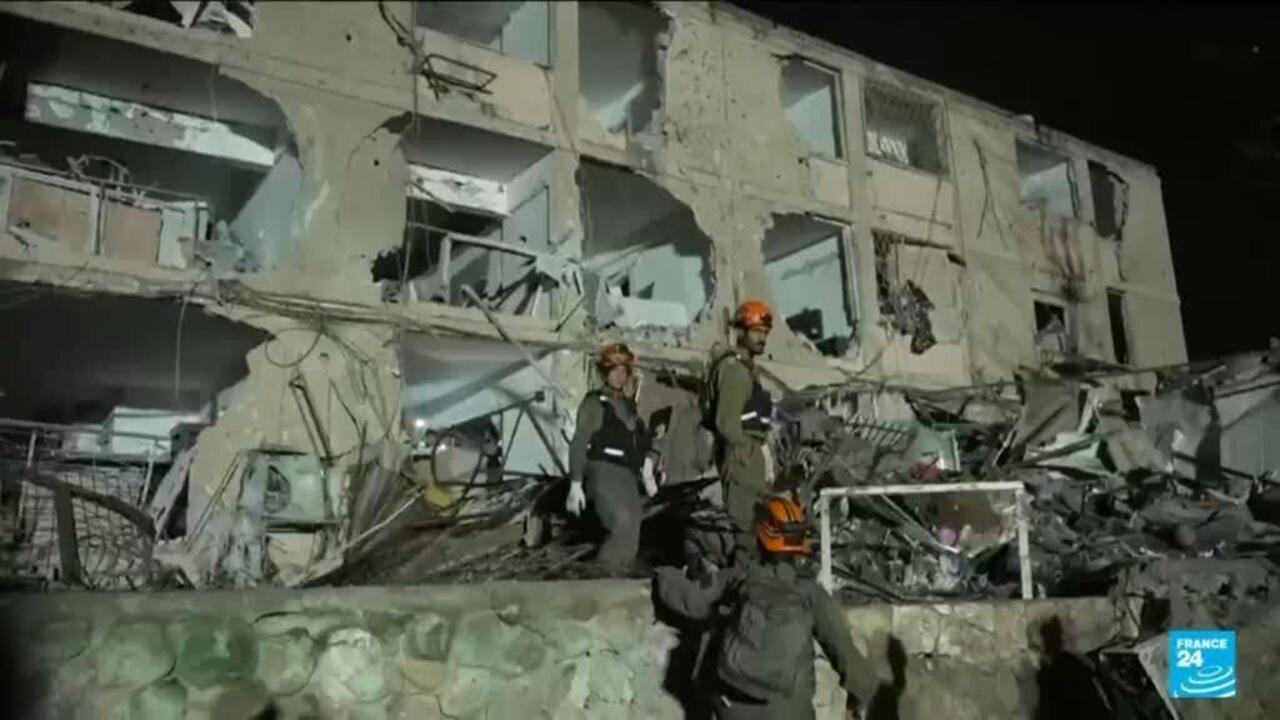
Iran Strikes Dimona Nuclear Site as Oil Prices Surge Amid Regional War
Iran has claimed responsibility for a missile strike on Israel’s Dimona nuclear facility, escalating regional tensions and spiking global oil prices. The attack marks a significant escalation in the ongoing conflict that has already lasted four weeks. Analysts warn that Mexican markets face direct exposure through energy costs and trade dynamics.
Saudi Arabia Expels Iranian Attache Amid Escalating Regional Hostilities
Saudi Arabia has expelled Iran’s military attache and four embassy staff within 24 hours citing repeated attacks on kingdom territory. The Ministry of Foreign Affairs declared the personnel personae non gratae following a surge in missile activity. This diplomatic break threatens global energy supply chains as regional tensions escalate.

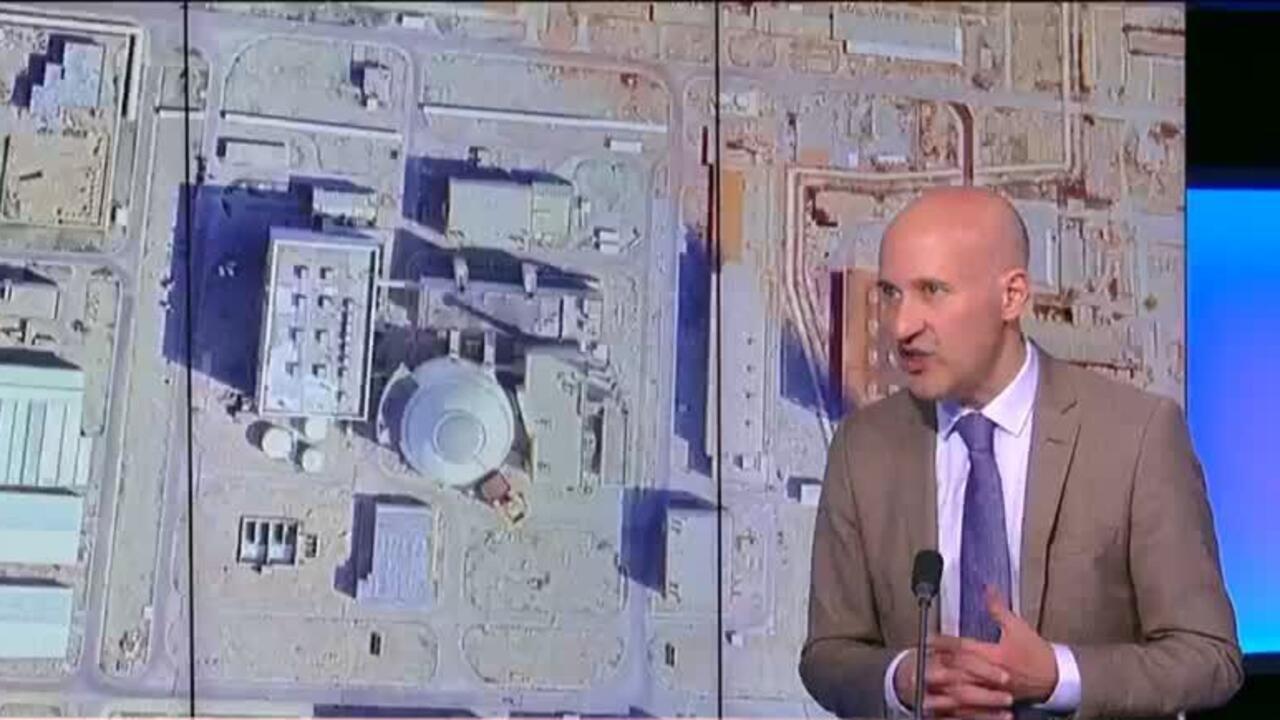
Iran Strikes Dimona Nuclear Town in Retaliation for Natanz Attack
Iranian missiles struck Dimona, an Israeli town housing a nuclear facility, injuring dozens in retaliation for reported strikes on its Natanz site. The attack marks a significant escalation in regional tensions, raising fears of broader conflict and potential oil supply disruptions in the Middle East.
EU Urges Early Gas Storage Amid Iran Conflict Price Surge
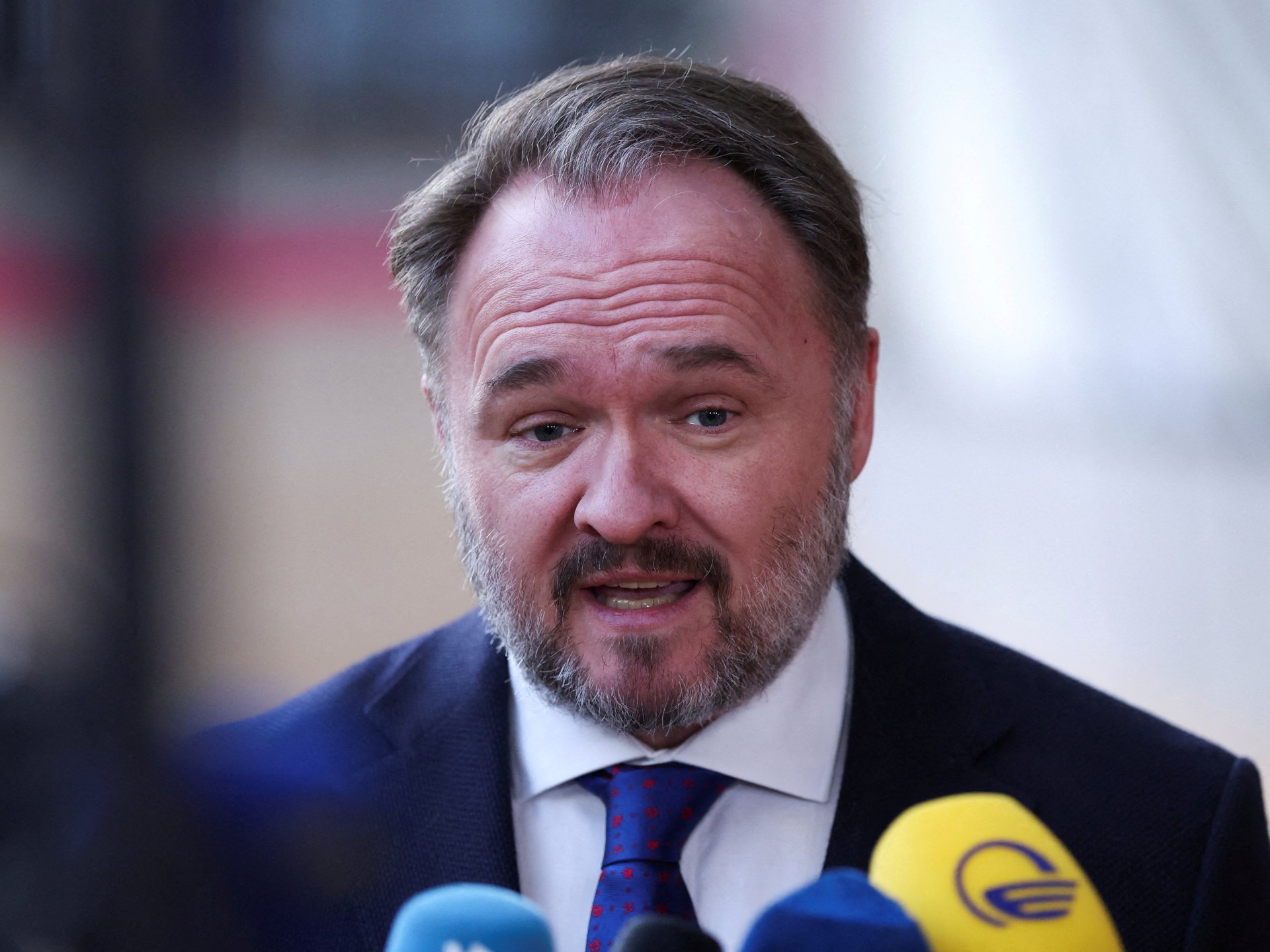
The European Union has instructed member states to accelerate natural gas storage efforts ahead of the upcoming winter season following a sharp escalation in conflict involving Iran. Energy Commissioner Dan Jorgensen issued a directive to mitigate volatile global commodity markets reacting to the unfolding regional hostilities.
US Anti-terror Czar Resigns Over Iran Bombings, Citing Israel Lobby Pressure
Matthew Kent resigned from his role as anti-terror czar after criticizing the Trump administration's decision to bomb Iranian nuclear facilities. The letter highlights a deepening rift within the MAGA movement and warns of global economic instability. Mexico monitors the conflict for impacts on oil prices and migration policy.

Iran Allows Japanese Ships Through Hormuz Strait Amid Selective Blockade
Tehran announced it will permit Japanese vessels to pass through the strategic Strait of Hormuz following diplomatic engagement. This decision marks a significant shift from the initial stance of closing the waterway to all non-allied nations.
US and Israel Enter Fourth Week of Strikes on Iran as Casualties Mount
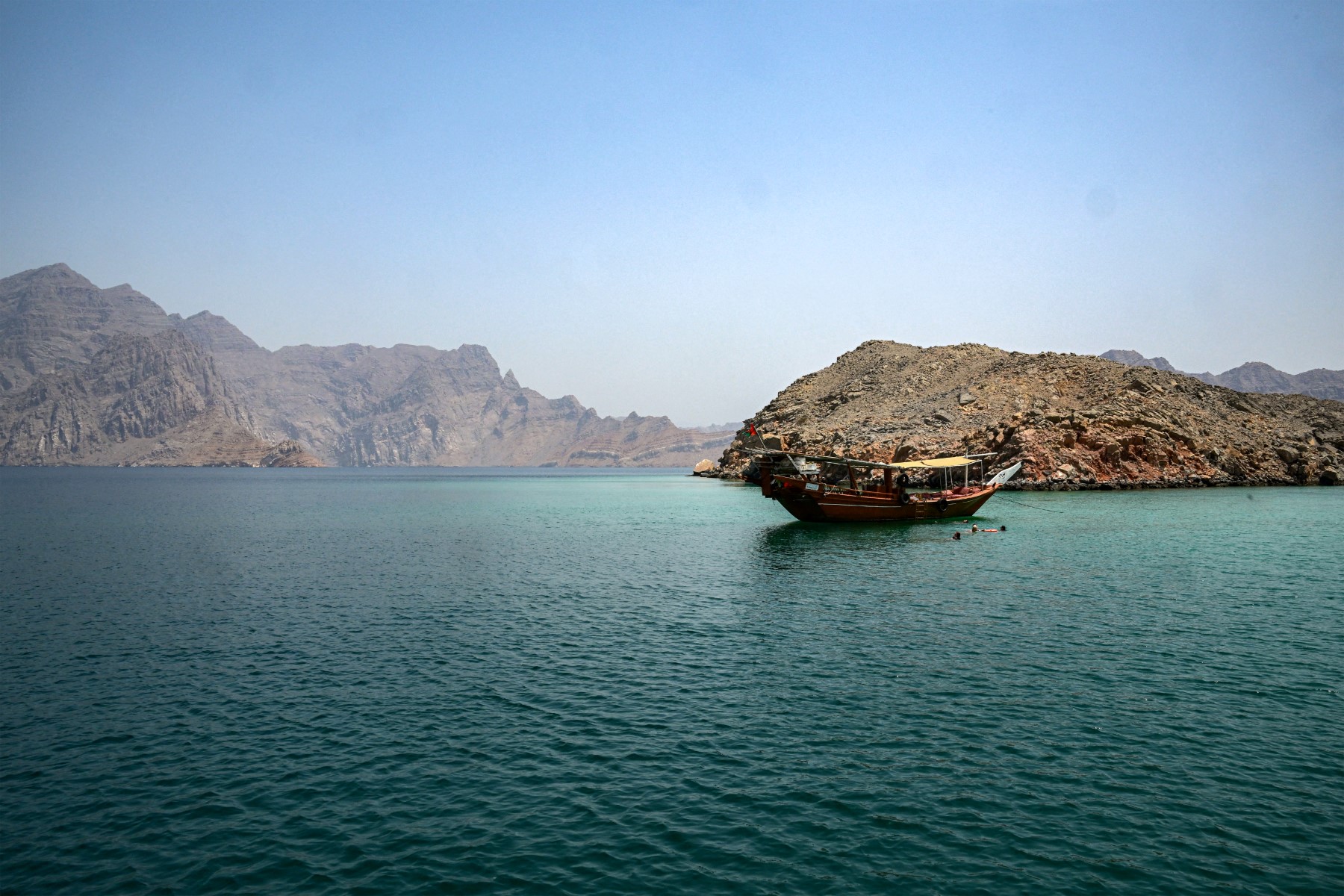
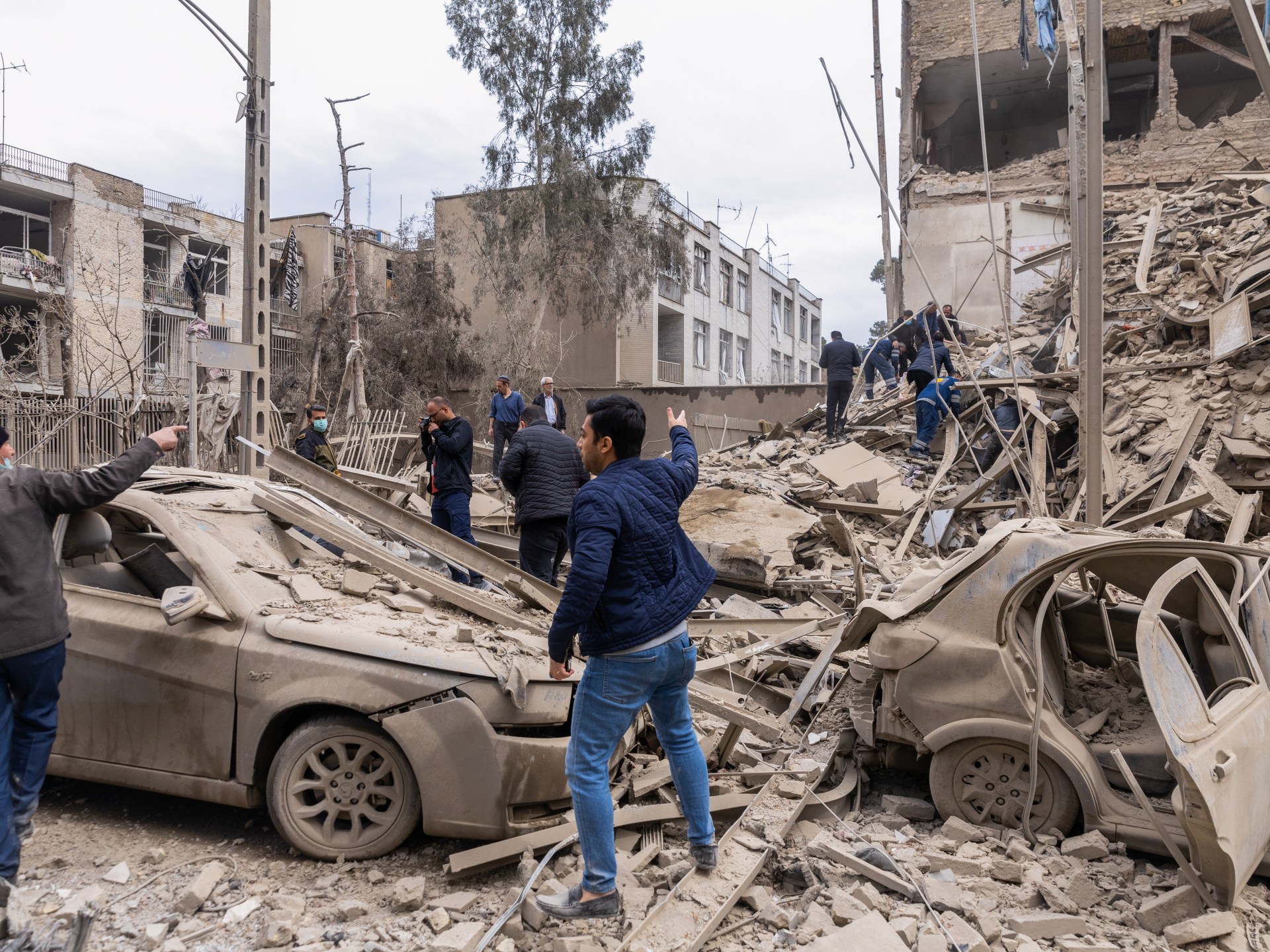
The conflict between the United States and Israel against Iran has entered its fourth week with over 1,400 deaths reported. Retaliatory attacks threaten global shipping lanes and energy infrastructure during major religious holidays. Washington considers winding down the campaign while ruling out a formal ceasefire.
Trump Hints at Winding Down Iran War Amid Troop Surge and Funding Request
President Donald Trump considers winding down military operations in Iran while deploying 2,500 marines and requesting $200 billion in funding. Mixed signals emerge as oil prices surge and stock markets react to the escalating conflict. The White House maintains a four to six week timeline despite ongoing hostilities.
Trump Labels NATO Allies Cowards Over Hormuz Struggle
President Donald Trump criticized NATO members for refusing aid in the Strait of Hormuz. The dispute raises inflation concerns for Mexico and other economies. Oil prices remain volatile amid the regional conflict.
Mexican Stock Market Plummets 10% Amid Middle East Conflict Escalation
The Bolsa Mexicana de Valores has fallen more than 10 percent since the start of hostilities between Iran and Israel. The peso also weakened as investors react to global oil price volatility and geopolitical risk aversion.
Iran Blames US, Israel for Hormuz Tensions as Crisis Risks Energy Supplies
Iran’s Foreign Minister Abbas Araghchi has blamed the United States and Israel for disruptions in the Strait of Hormuz, raising fears for global energy supplies. Oil prices surged 40% since the conflict began as nations seek diplomatic solutions to ensure safe passage for commercial vessels. Diplomatic channels remain strained while military options face limited international support.
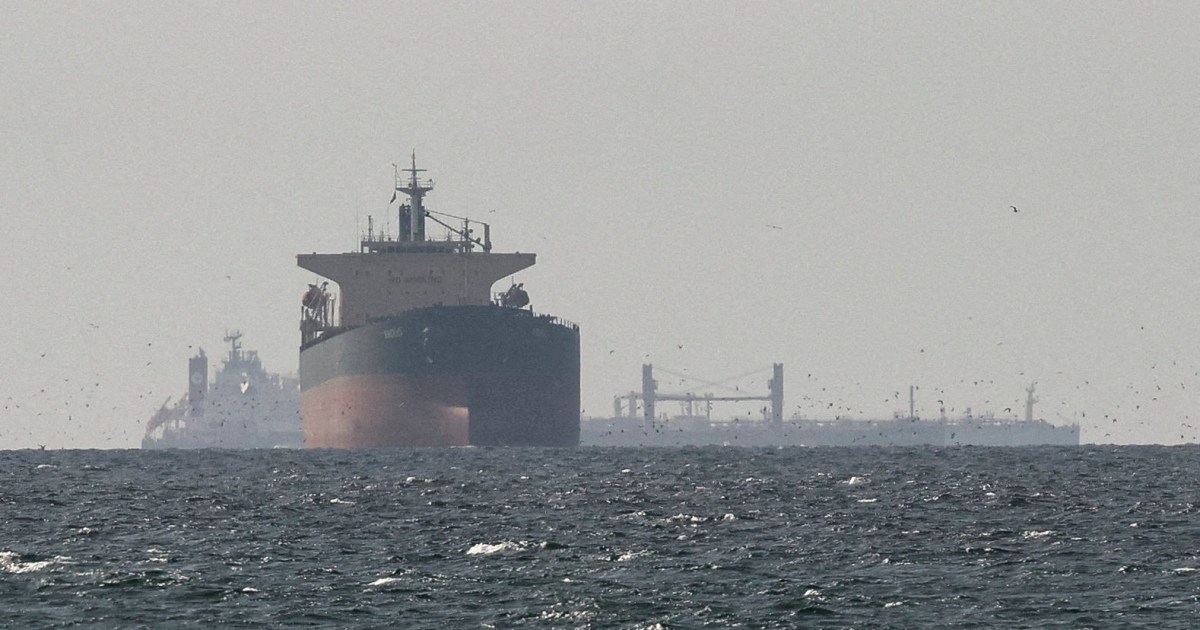
US Officials Seek to Avert Strait of Hormuz Closure Amidst Iran Conflict
US officials are urgently working to prevent a prolonged shutdown of the Strait of Hormuz due to ongoing conflict with Iran. Internal assessments suggest reopening the waterway remains a complex problem without an obvious solution or clear timeline. The situation has significant implications for global oil markets as prices rise amid the uncertainty.
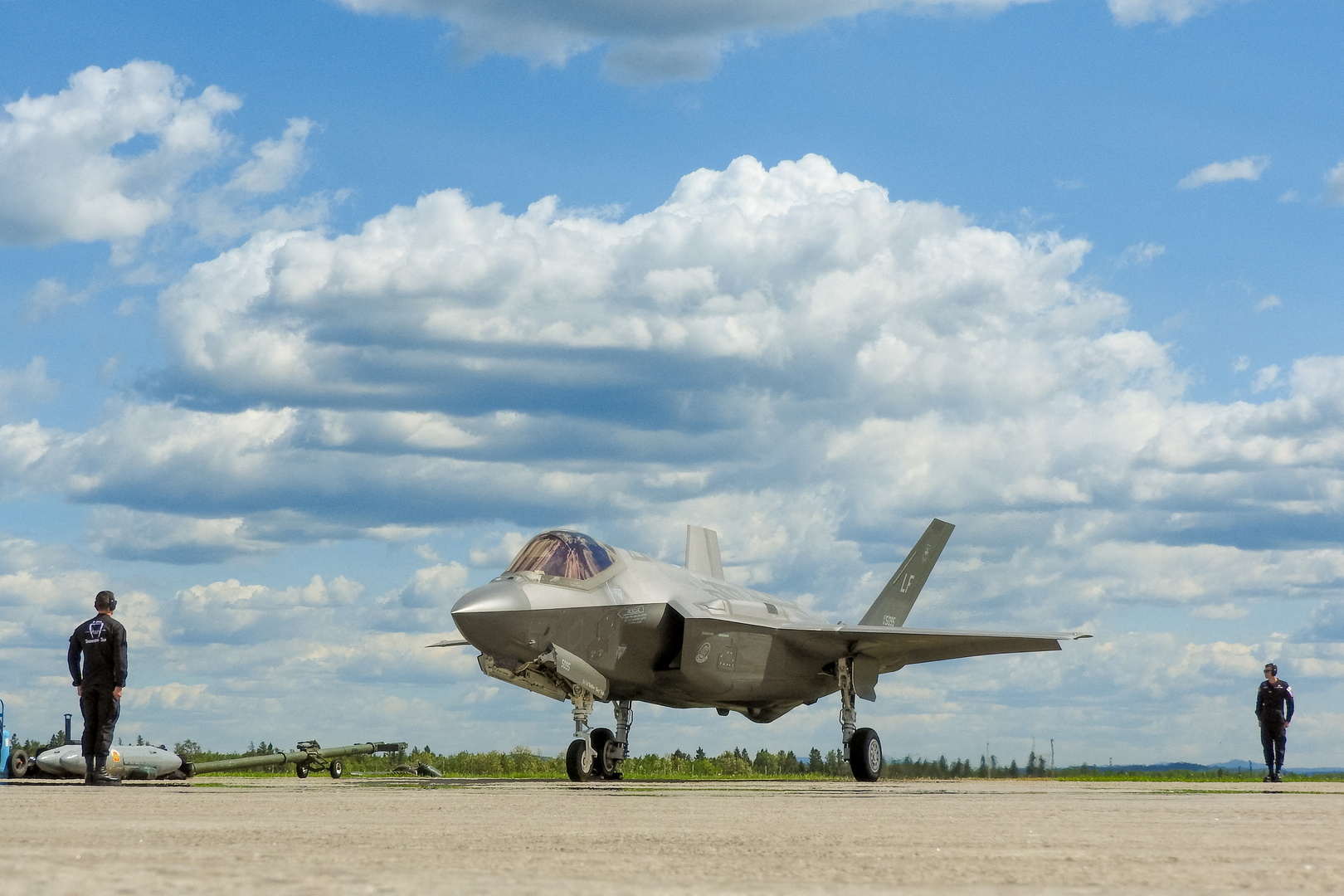
Iran Claims F-35 Strike as US Confirms Emergency Landing Amid Middle East Tensions
Iranian semi-official Tasnim news agency published military footage on March 20, 2026. The video allegedly shows air defense systems striking a United States F-35 stealth fighter jet. The United States military subsequently confirmed the aircraft executed an emergency landing at a regional base. Oil prices rose following the announcement as traders assessed potential risks to regional stability.
US Considers Lifting Iranian Oil Sanctions Amid War Fears in Middle East
The United States is reportedly exploring the removal of sanctions on Iranian oil exports stranded at sea. Analysts suggest this move could mark a turning point in regional conflicts and impact global energy prices. Markets are monitoring the situation closely as geopolitical tensions remain high.
Trump Criticizes NATO Over Strait of Hormuz Blockade in Iran War
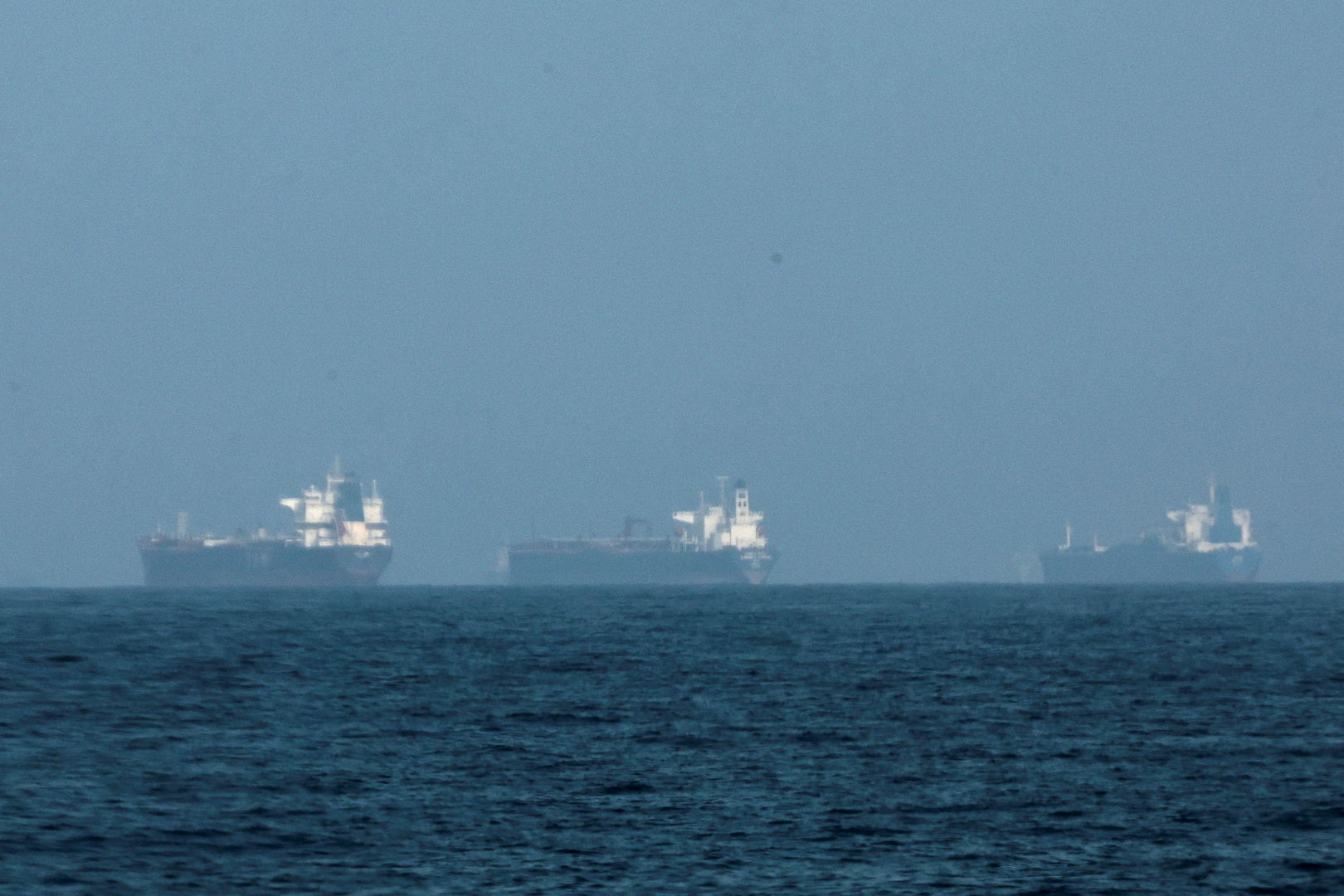
President Donald Trump accused NATO members of cowardice amidst the US-Israel war on Iran. The conflict has closed the Strait of Hormuz, spiking oil prices while allies refuse military aid.
Russian Oil Sales Surge as US Waives Sanctions Amid Iran Strait Crisis
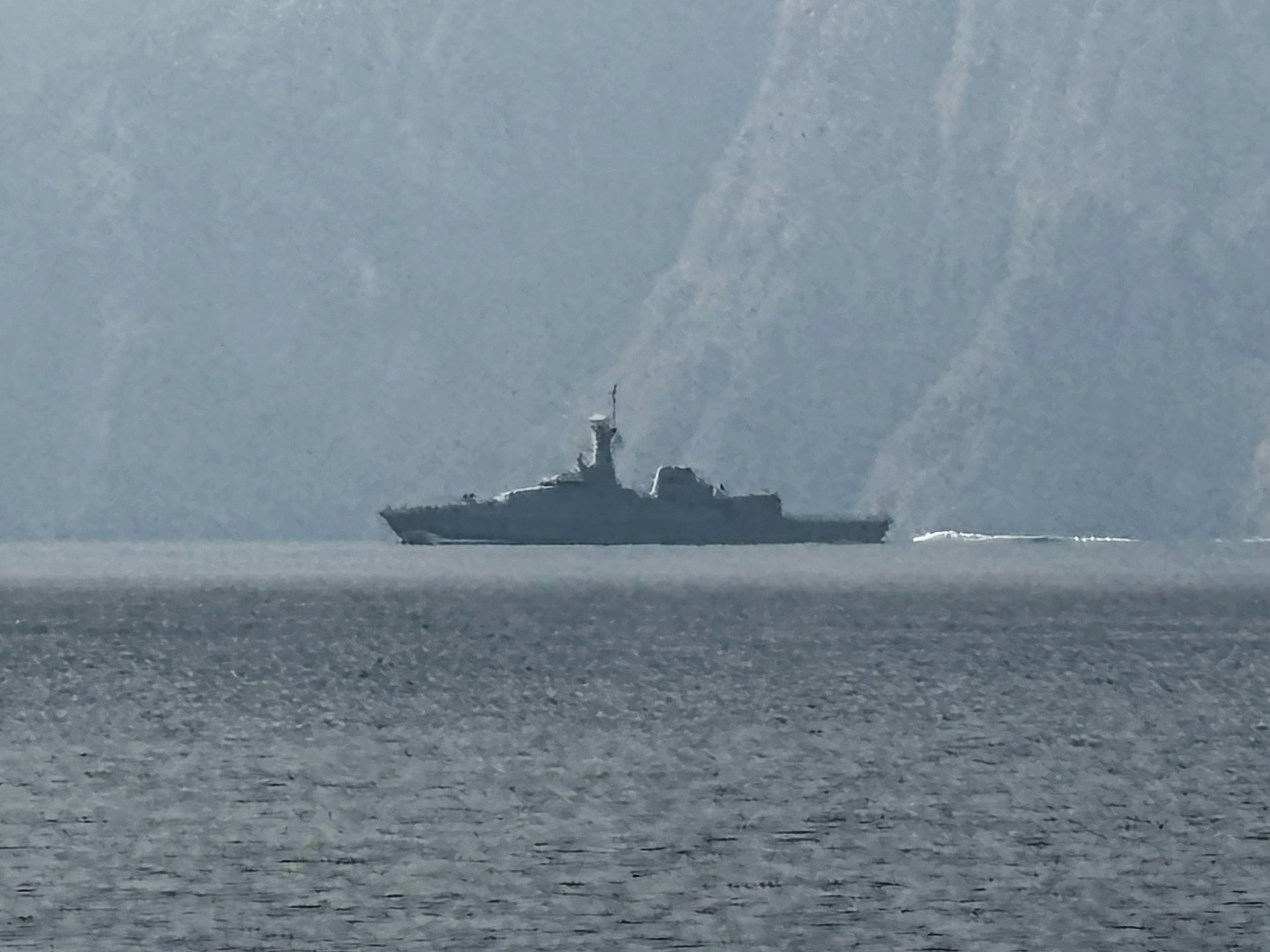
Russian oil exports are emerging as a primary economic beneficiary following the United States decision to temporarily ease sanctions on Tehran-linked energy flows. President Donald Trump announced the waiver on March 10 to address shortages caused by Iran blocking the Strait of Hormuz. This strategic move allows Moscow to fill the supply gap created by the ongoing conflict between regional powers and their global allies.
Iran Regime Endures Hormuz Blockade Threatening Global Trade Routes
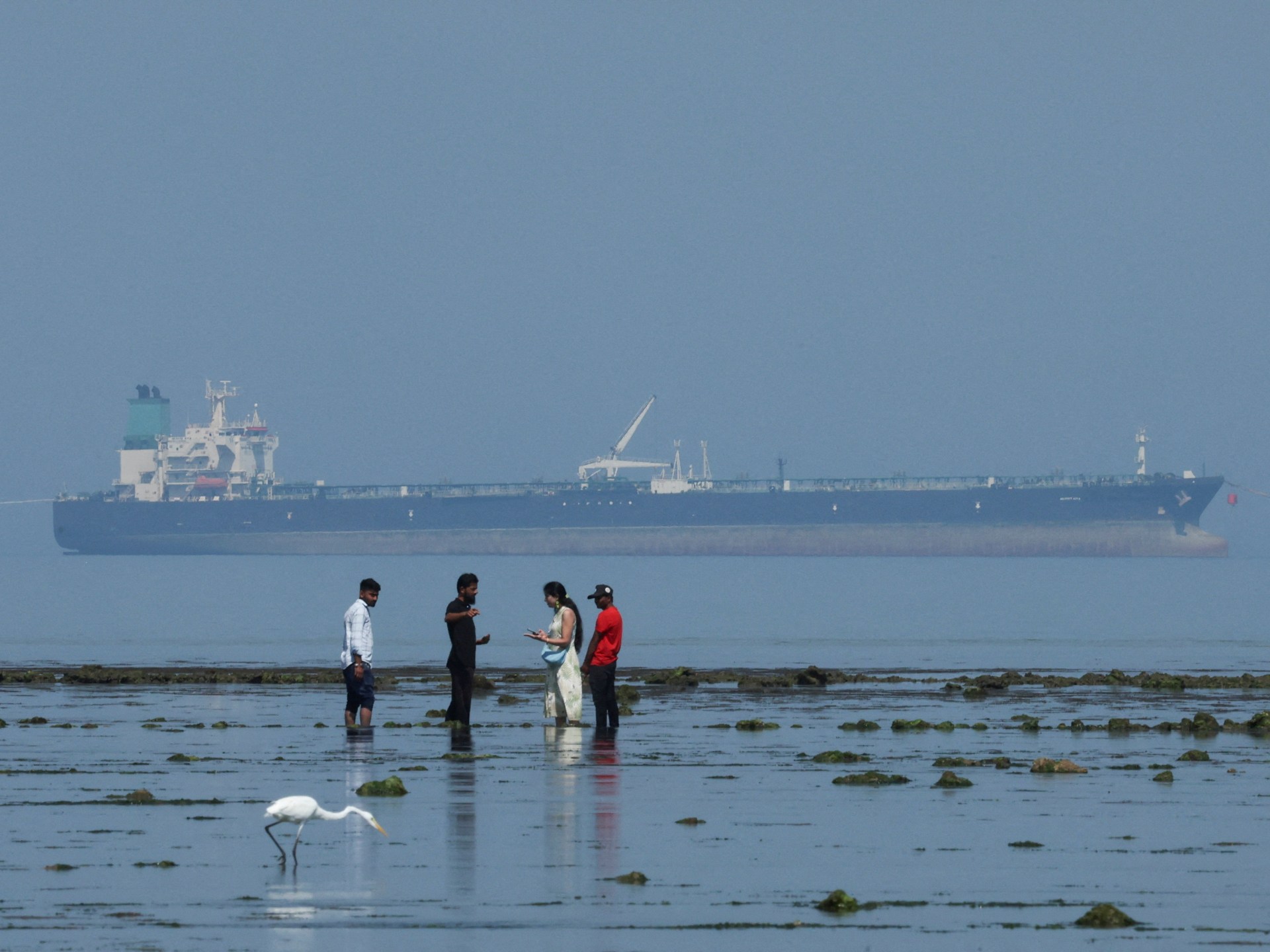
Iran's leadership remains intact despite pressure on the Strait of Hormuz. Experts warn that asymmetric tools and decentralized command structures complicate military solutions. The geopolitical standoff threatens global energy security and shipping lanes.
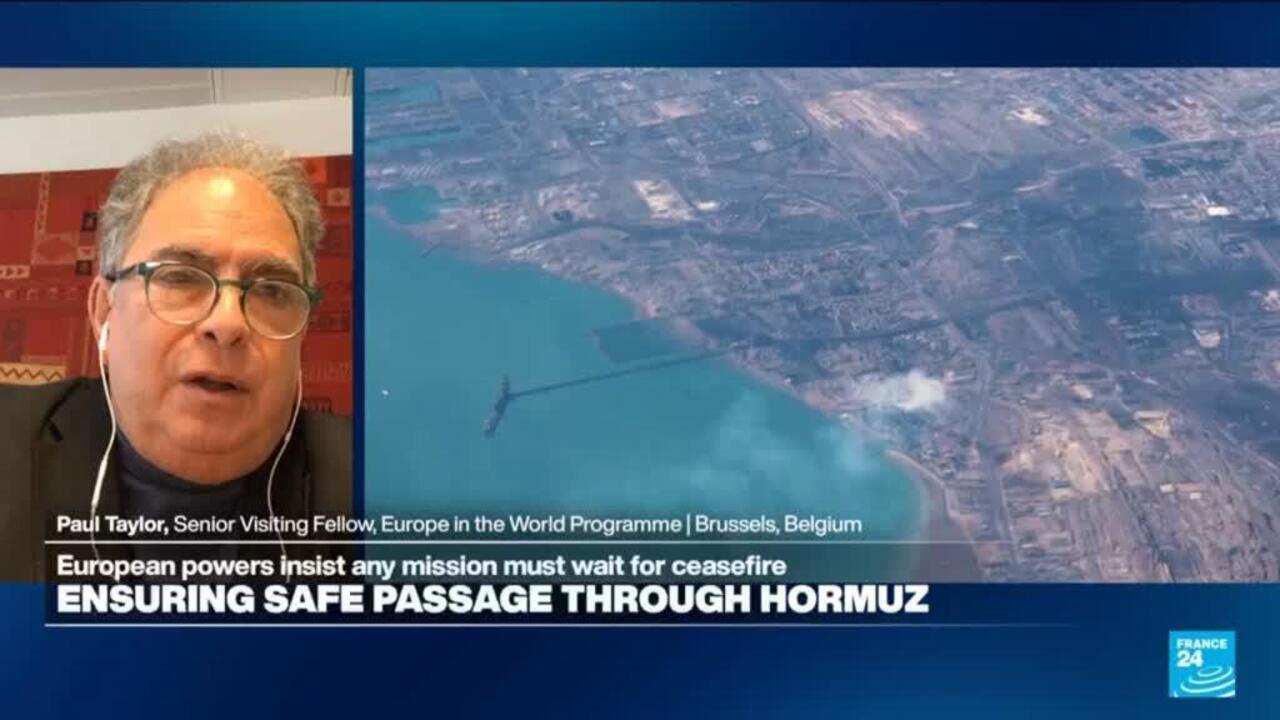
Gulf States Seek Military Aid Amid Escalating Iran Attacks in 2026
Gulf nations face increasing Iranian drone strikes as regional tensions surge during the US-Israeli war. Military analysts question whether allies can provide sufficient assistance to protect critical energy infrastructure. Oil prices have already surged past $100 a barrel due to threats against the Strait of Hormuz.
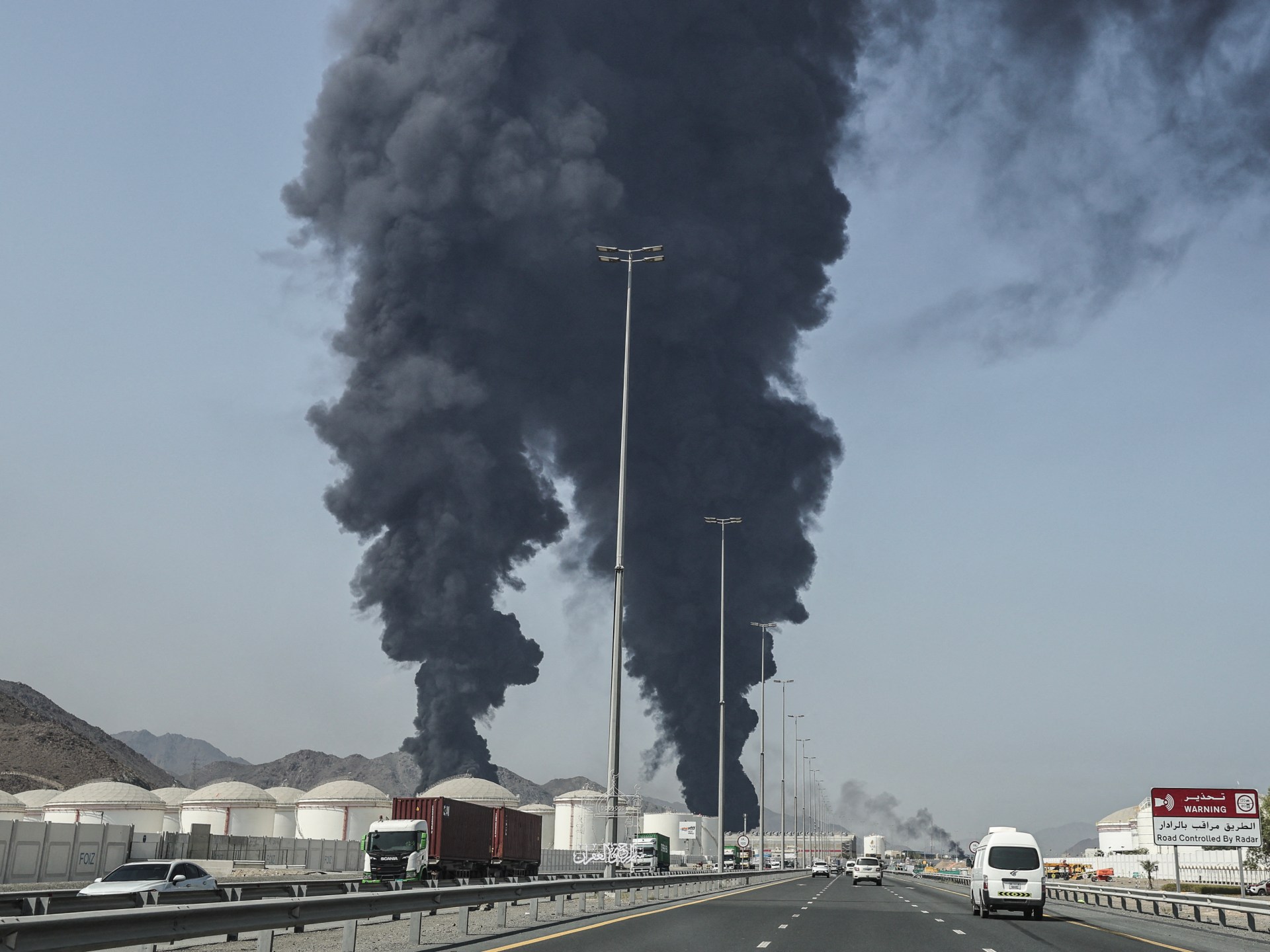
Qatar LNG Outage Becomes Multi-Year Crisis Following Ras Laffan Damage
QatarEnergy confirms repairs at Ras Laffan will take three to five years, transforming a wartime disruption into a structural supply loss. Markets reacted swiftly as 17% of export capacity is sidelined, causing European gas prices to surge 35% amid global energy insecurity.
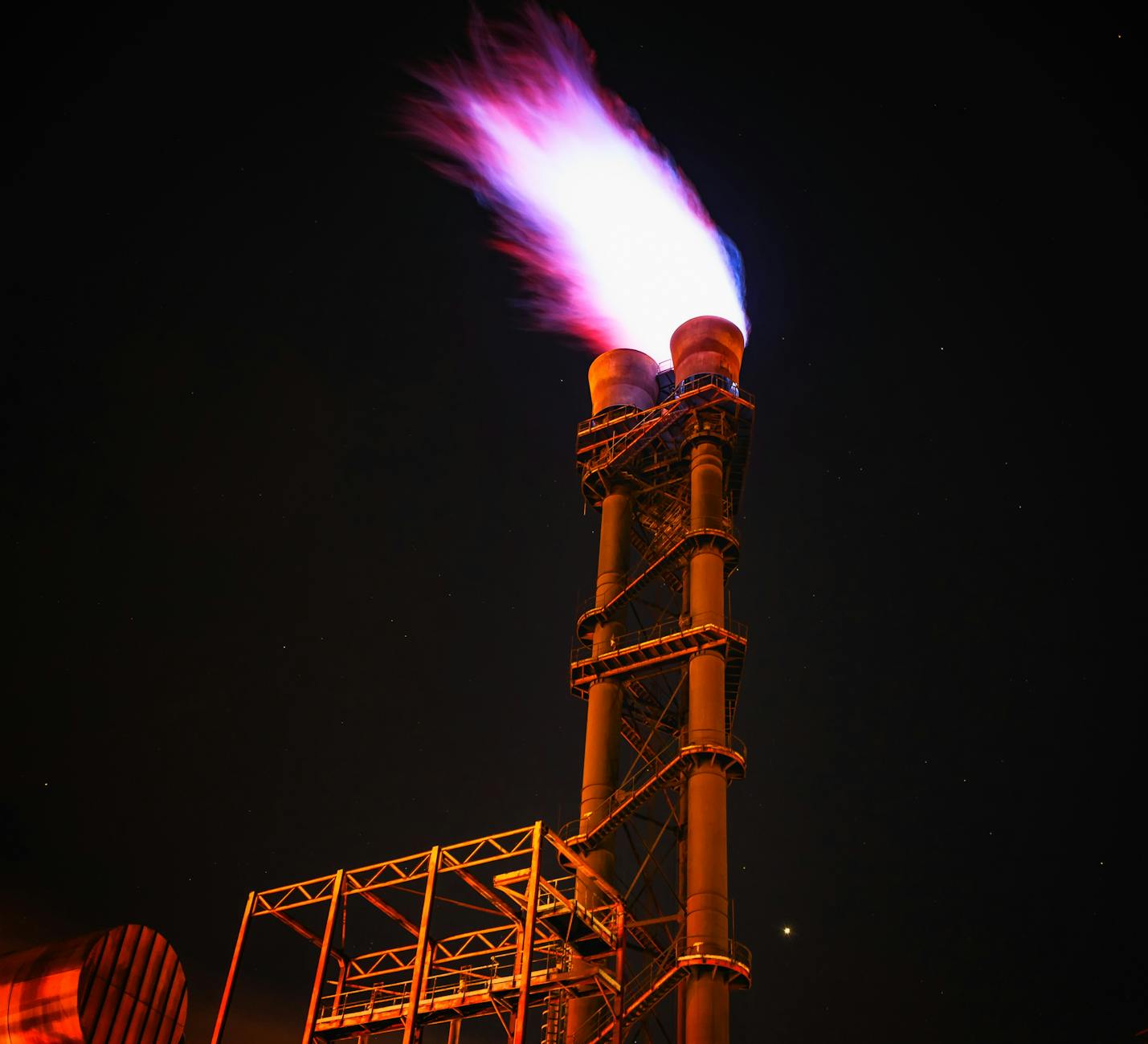
EU Considers Energy Tax Cuts to Counter Middle East War Impact
European Union leaders convened in Brussels to address soaring energy costs driven by conflict in the Middle East. Proposed measures include lifting caps on state aid and reducing electricity taxes to protect industrial sectors.
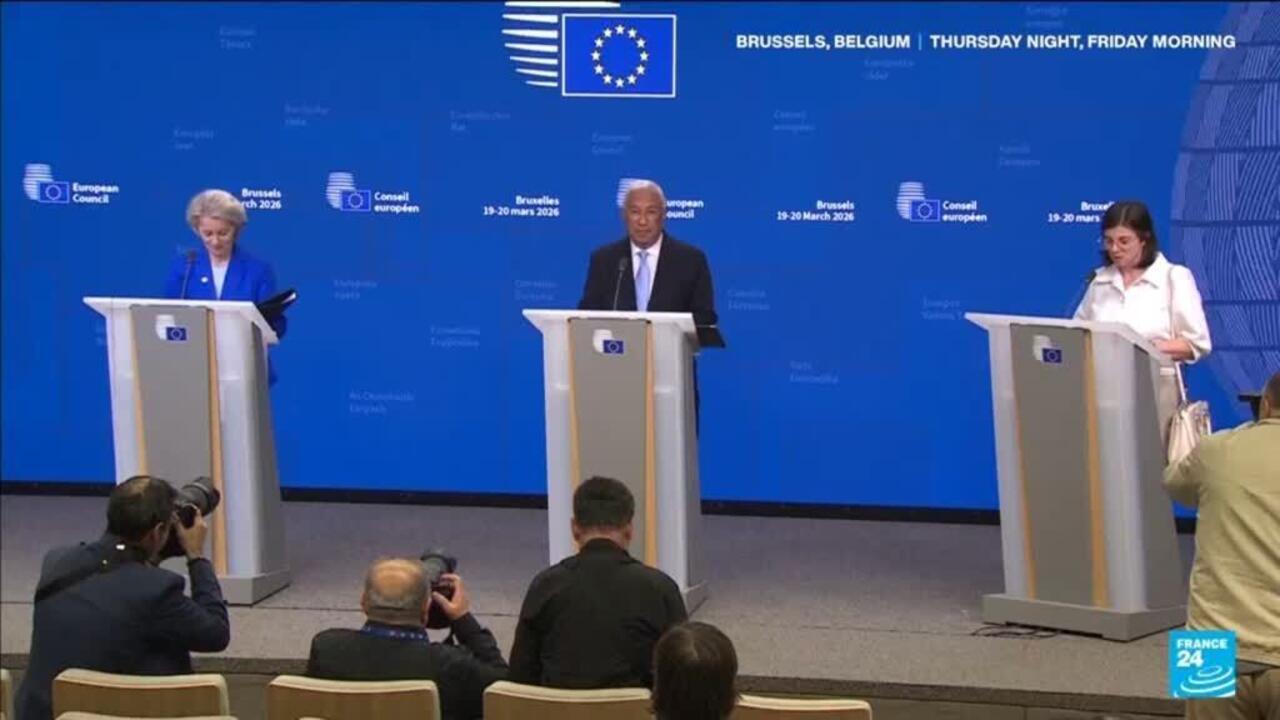
Israel Confirms Killing of Iranian Security Chief Ali Larijani
Israel announced the assassination of Ali Larijani, the de facto security chief of Iran, earlier this week. Mexican economic analysts are monitoring the situation closely for potential impacts on global trade stability and energy costs.
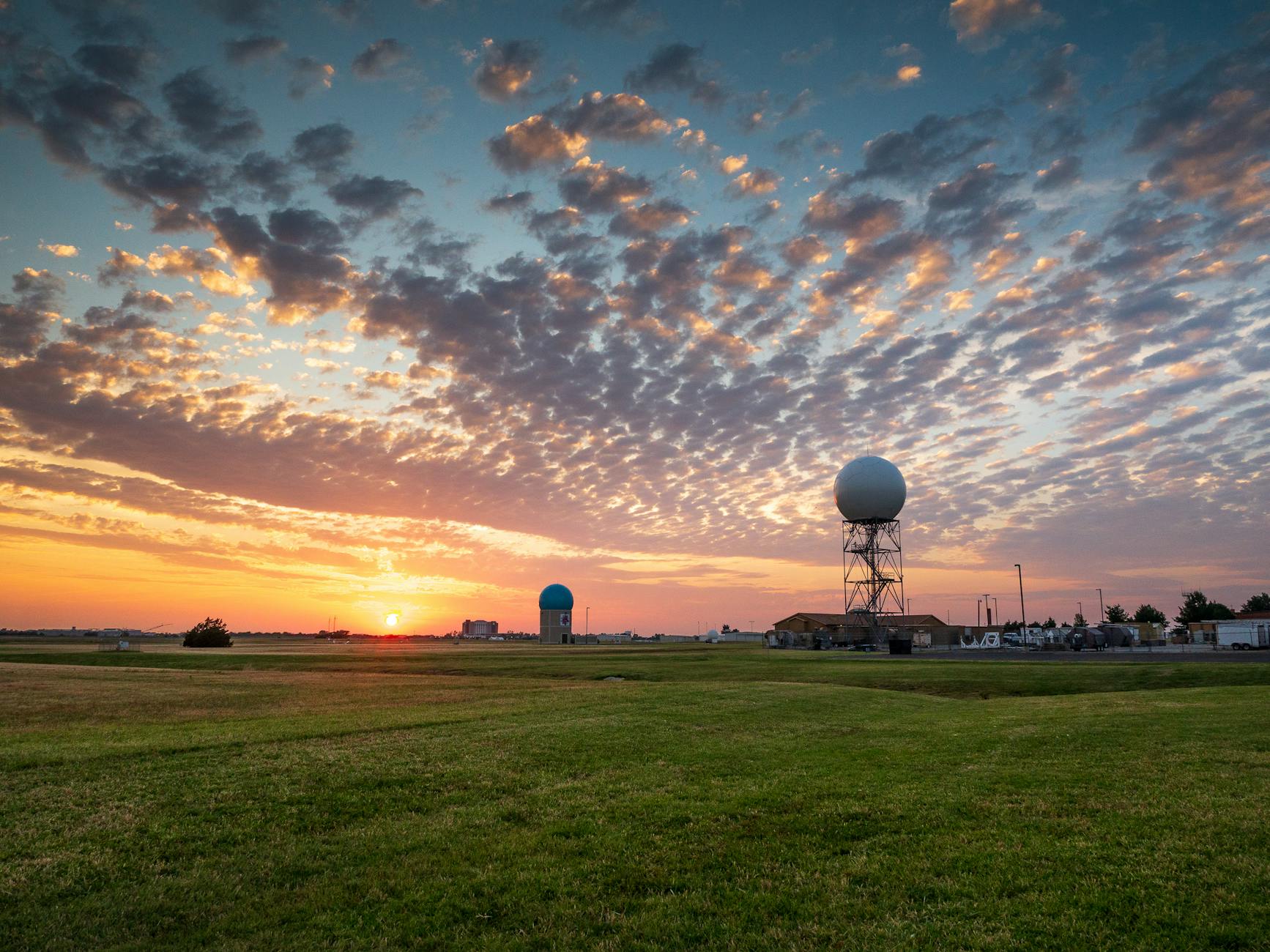
CarMax Sees 9.3% Surge in EV Searches Amid Gas Price Spike
CarMax reported a 9.3% increase in electric vehicle inquiries as gasoline costs rise due to Middle East tensions. The retailer noted the trend persists despite recent federal tax credit removals. Analysts compare the pattern to shifts seen during the Ukraine conflict.

Chile GDP Growth Exceeds Forecasts Amid Political Optimism and Global Oil Risks
Chilean economic output expanded more than anticipated during the fourth quarter of 2025, defying earlier analyst projections despite looming international instability. The central bank reported this growth occurred amid optimism surrounding President José Antonio Kast’s policy platform before Middle East tensions escalated.

Federal Reserve Holds Rates Steady as Inflation and Geopolitics Shape 2026 Outlook
The Federal Reserve kept benchmark rates at 3.5% to 3.75% while signaling potential cuts by late 2026. Geopolitical tensions and energy costs continue to cloud the economic outlook for the coming decade.
US Gas Prices Spike to $3.84 Amid Middle East Tensions
American gasoline costs have surged to a two-year high as geopolitical risks in the Middle East threaten global supply chains. National averages hit $3.84 per gallon, marking the steepest rise in fuel costs since Hurricane Katrina disrupted Gulf Coast infrastructure. Markets predict prices could reach $4.30 by month end.

Iran's Foreign Minister Blames US for Regional War and Threatens Hormuz Rules
Iranian Foreign Minister Abbas Araghchi told Al Jazeera that Washington bears full responsibility for the escalation engulfing the Middle East. He warned of new navigation rules in the Strait of Hormuz and rejected temporary ceasefires in favor of a permanent end to the conflict. The remarks signal a hardening stance from Tehran as hostilities intensify across the Gulf region in early 2026.
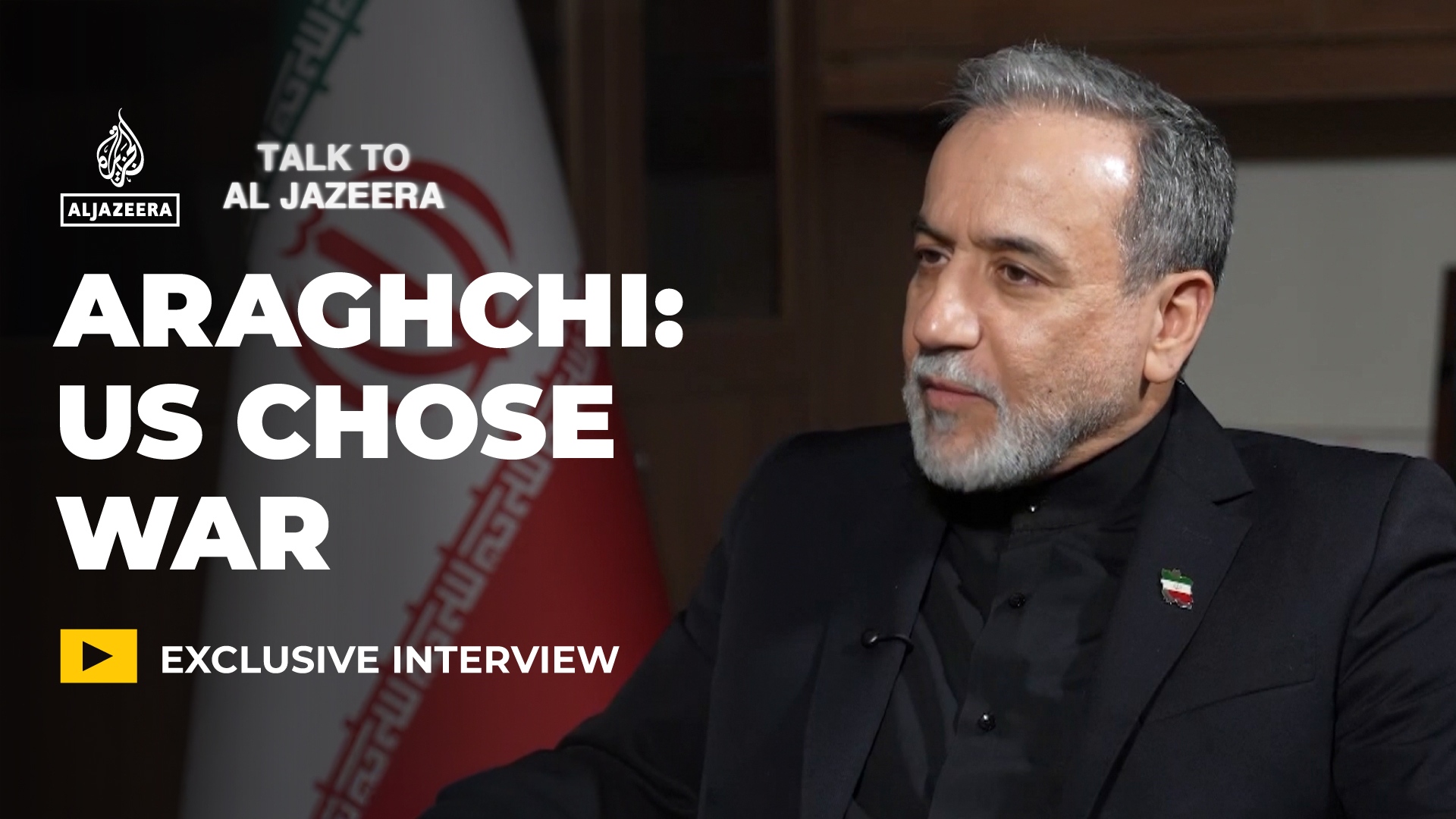
Iran Foreign Minister Claims System Holds After Leader Killings
Iranian Foreign Minister Abbas Araghchi declared the regime remains stable following the targeted killings of Ali Larijani and Gholamreza Soleimani. The statement aims to reassure observers amid speculation about leadership succession and regional security implications.
Oil Prices Drop, US Stocks Rise as Hormuz Shipping Improves
US equities advanced as crude oil prices retreated sharply following reports of improved shipping security through the Strait of Hormuz. Traders reacted to a Pakistani tanker transit with active tracking signals while major indices gained over one percent.
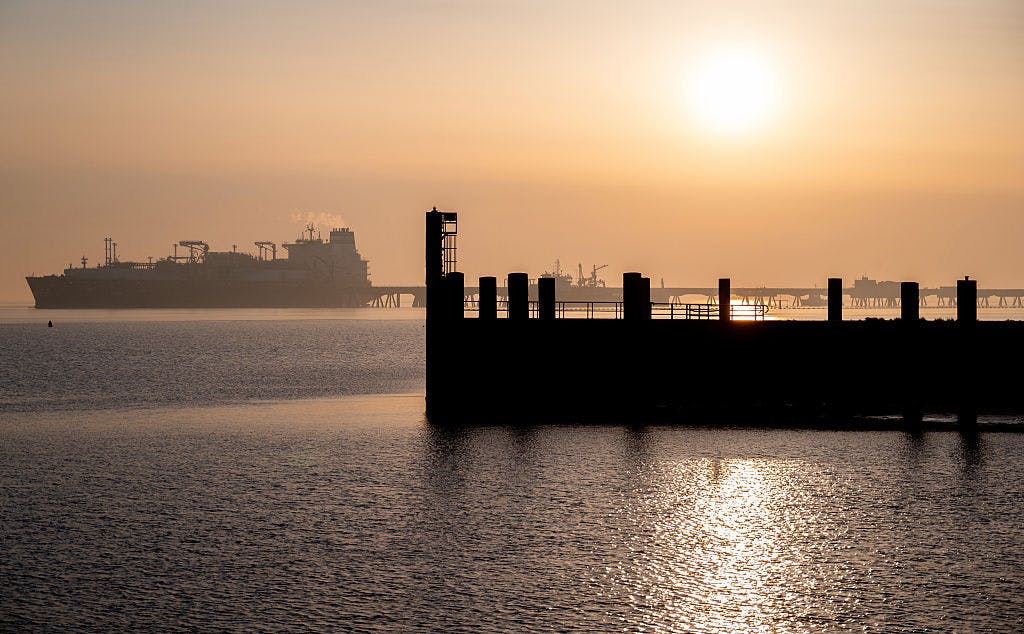
Trump Seeks Multinational Naval Coalition in Hormuz to Counter Iran
President Donald Trump announced a plan to coordinate a multinational naval force in the Strait of Hormuz amid tensions with Iran. The move aims to secure global oil flows and prevent corridor closure, impacting markets including Mexico.
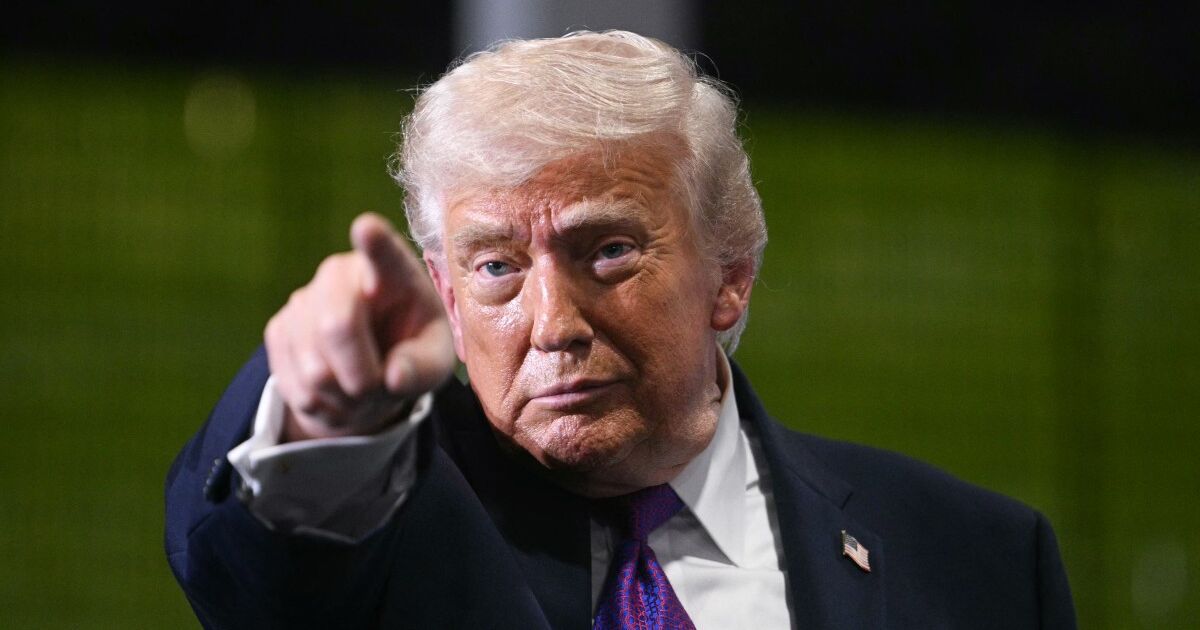
Hamas Urges Iran to Halt Gulf Attacks Amid Regional Conflict
Hamas has issued a statement urging Iran to cease attacks on neighboring Gulf states while affirming Tehran's right to defend itself. The move comes as diplomatic efforts struggle to contain the widening conflict in the Middle East.
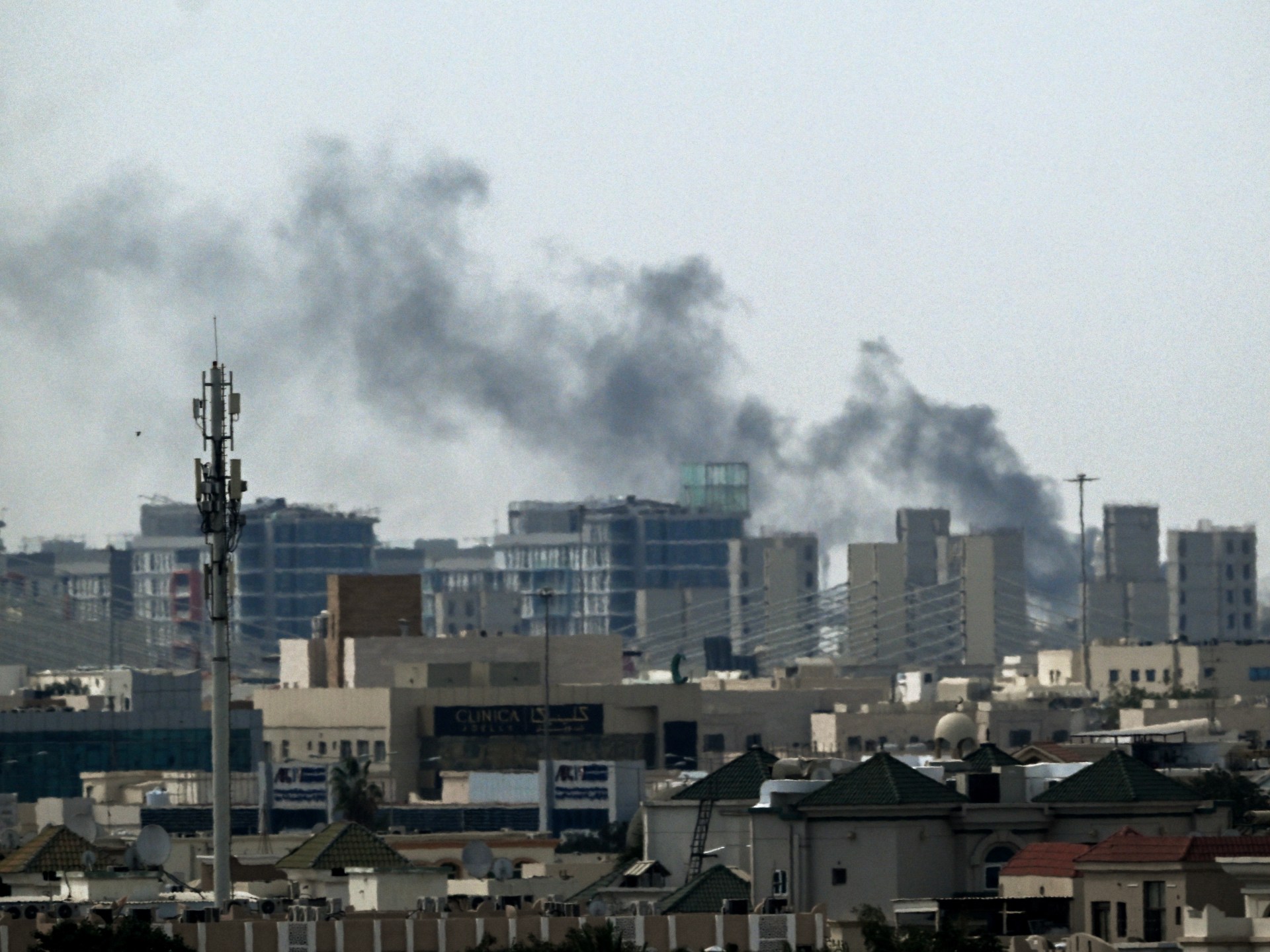
Iran Intensifies Gulf Missile Attacks Targeting US and Neighbors Amid Regional Conflict
Iran has escalated missile and drone strikes across the Gulf region, targeting the United Arab Emirates, Saudi Arabia, and Qatar. These attacks mark a significant deterioration in regional security as the conflict linked to United States and Israeli operations continues.
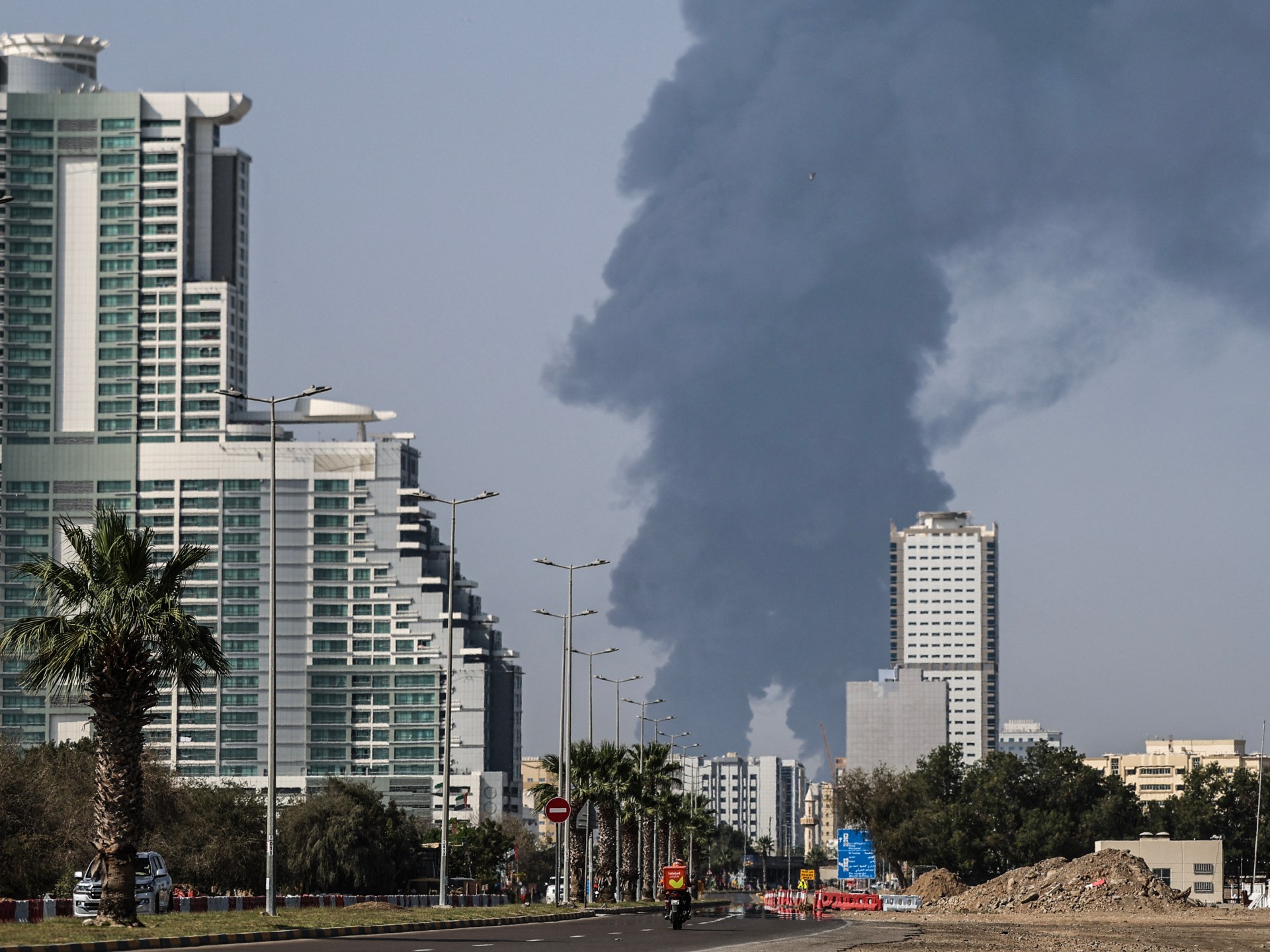
Trump Confirms US Strike on Iranian Kharg Island Oil Facilities Amid Regional Tensions
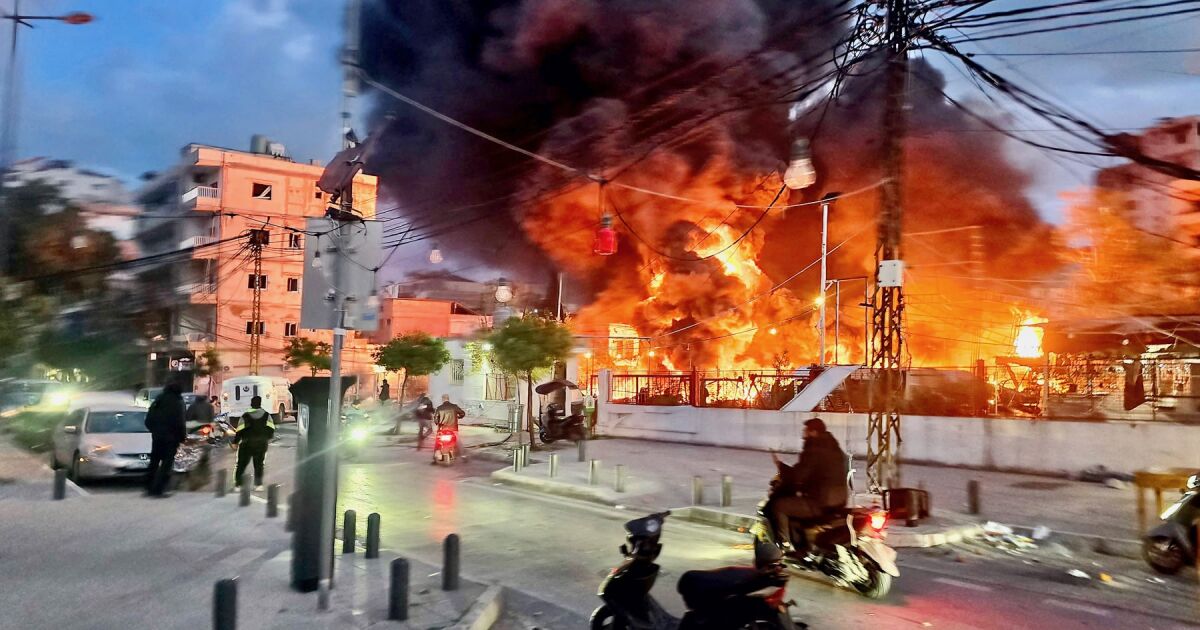
President Trump confirmed US airstrikes on Iran's Kharg Island oil facilities on Friday. Simultaneously, Israel targets civilian infrastructure in Lebanon as tensions escalate across the Middle East.

US Lowers Tariffs on India After Delhi Halts Russian Oil Purchases
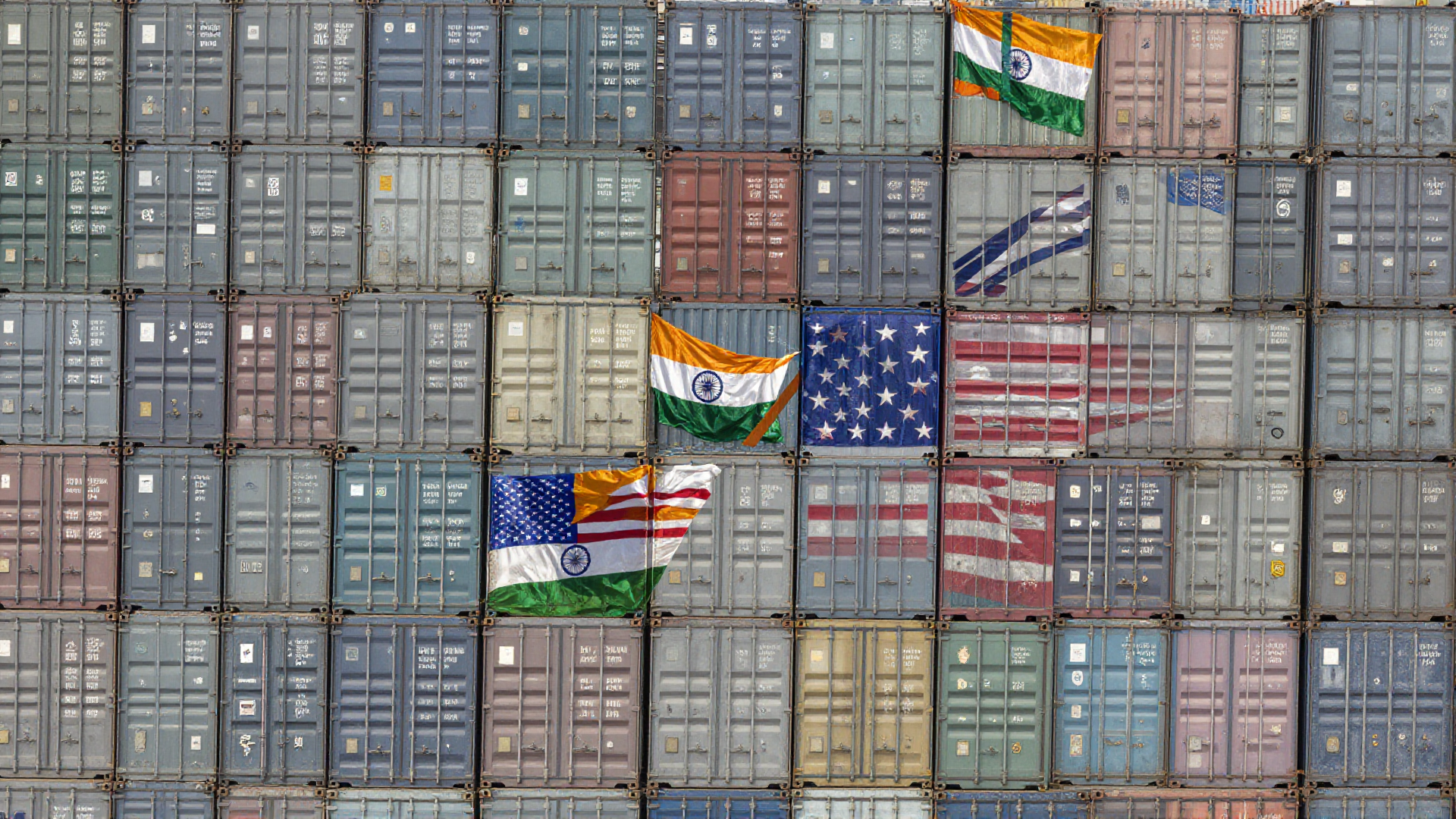
The United States agreed to substantially reduce punitive tariffs on Indian goods following a commitment from India to cease purchasing crude oil from Russia. Former President Donald Trump announced the deal, stating tariffs would fall from 50% to 18% immediately.
Kyiv Targeted by Missile Strikes as Russia-Ukraine Peace Talks Loom
Kyiv sustained missile attacks Tuesday morning, marking a resumption of large-scale strikes despite Ukrainian President Zelenskyy noting a recent ceasefire on energy infrastructure. The developments precede crucial trilateral peace talks scheduled this week in the UAE involving Russian, Ukrainian, and US envoys. Moscow issued a firm warning against the deployment of foreign military assets on Ukrainian soil, framing them as legitimate targets.

US Slashes Indian Tariffs to 18% Following Agreement on Russian Oil Purchases
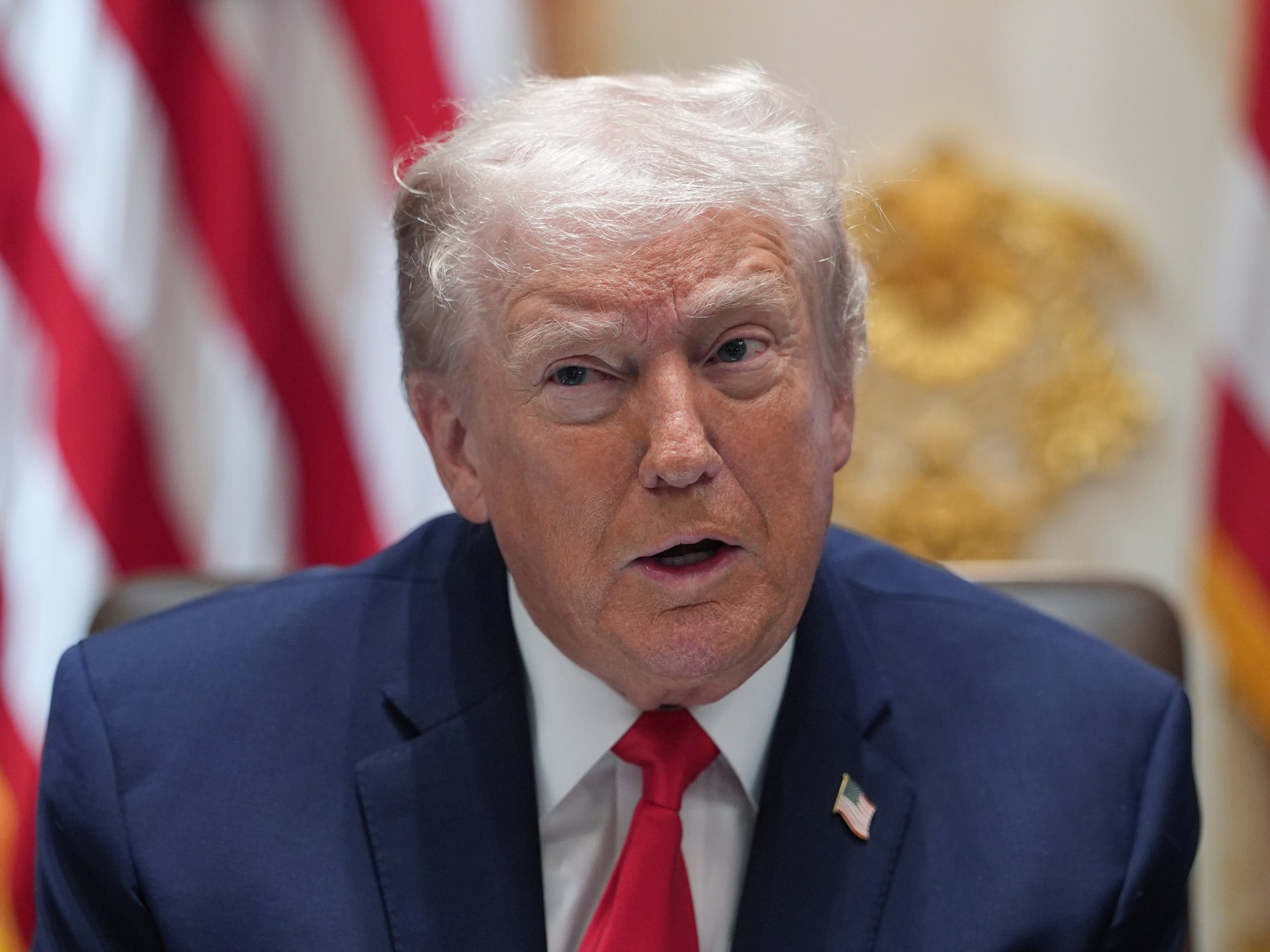
The United States agreed to reduce punitive tariffs on Indian imports from 50% to 18%, following a direct agreement between President Trump and Prime Minister Modi. This reduction is reportedly linked to India halting purchases of Russian energy and increasing procurement from the US and Venezuela. The move signals a significant de-escalation in months of tense bilateral trade negotiations.
US Cuts Tariffs on India After Modi Reportedly Agrees to Halt Russian Oil Purchases
US President Donald Trump announced Monday a trade agreement with Indian Prime Minister Narendra Modi that reduces tariffs on Indian goods from 25% to 18%. The reduction follows an assertion by Trump that Modi agreed to cease purchasing discounted crude oil from Russia amid the conflict in Ukraine. This move signals a potential de-escalation of trade friction between the two nations over energy sourcing.
US Eyes Venezuelan Oil Revival Amid Skepticism, Legal Hurdles
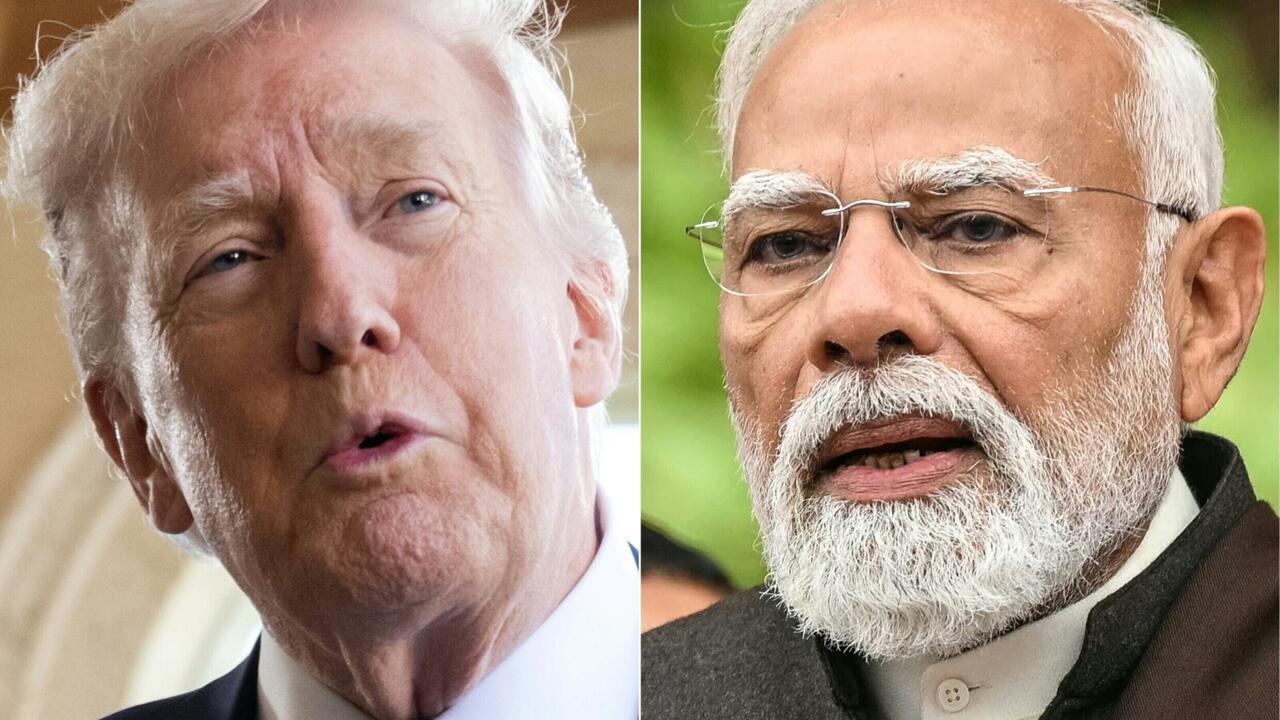
Following political shifts in Venezuela, US officials are pushing for a rapid reactivation of the nation's oil sector, estimating a $100 billion investment. However, major energy firms express reservations over legal frameworks and historical expropriation risks, according to reports.
Oil Prices Drop Nearly 5% Following US-Iran De-escalation Rhetoric
Global crude oil benchmarks registered their largest one-day decline in six months on February second, dropping nearly five percent. The sharp correction followed comments from the US President suggesting Iran was showing seriousness regarding negotiations with Washington. This shift in tone immediately reduced geopolitical risk premiums embedded in energy futures.
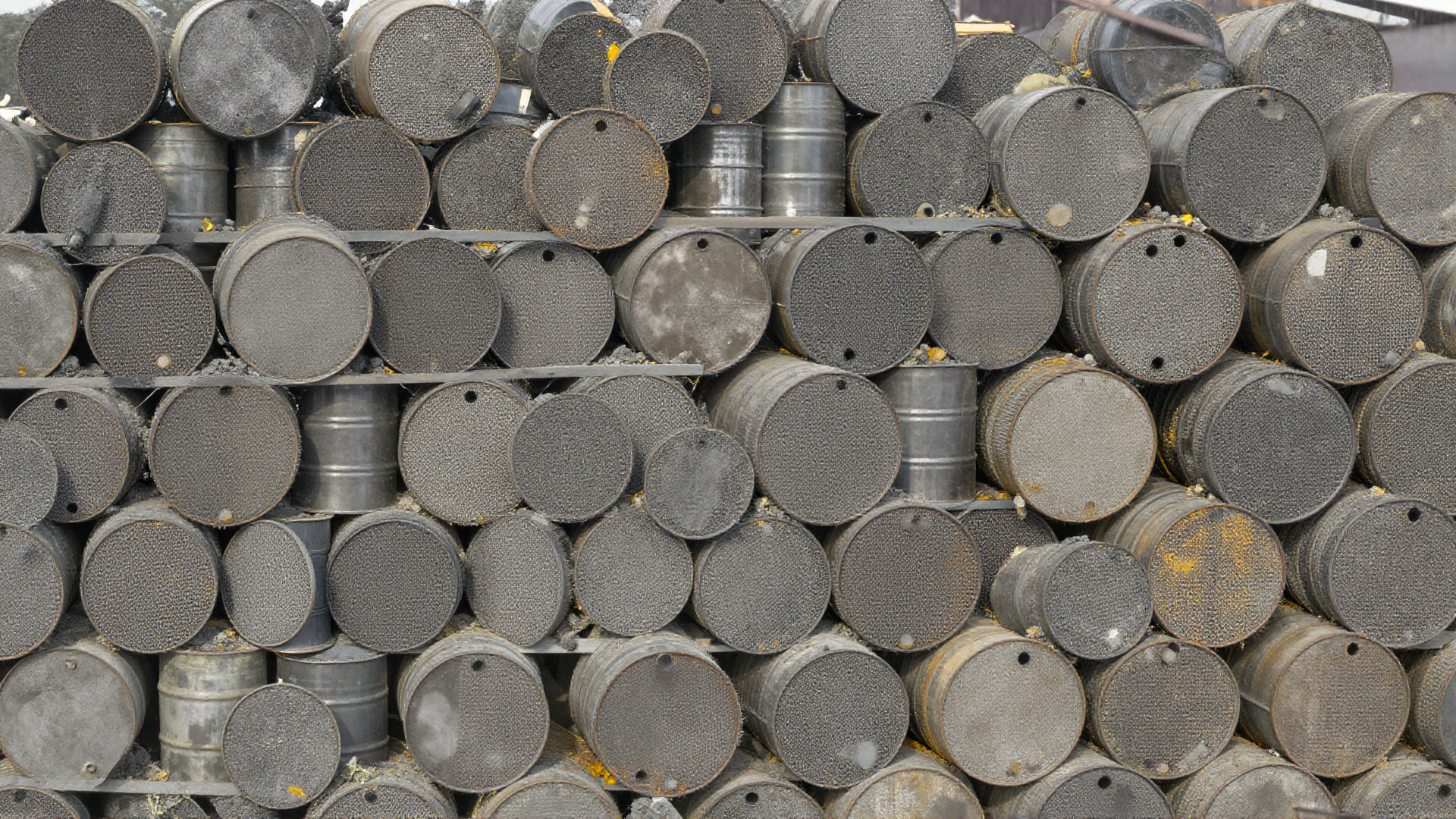
Trump Claims India Will Buy Venezuelan Oil, Signaling Geopolitical Energy Shift
Former U.S. President Donald Trump stated that India has agreed in principle to purchase crude oil from Venezuela, aiming to substitute current Russian imports. This assertion follows recent U.S. moves to ease sanctions on Venezuelan energy exports. The potential shift highlights ongoing global efforts to reconfigure energy supply chains amid geopolitical tensions.
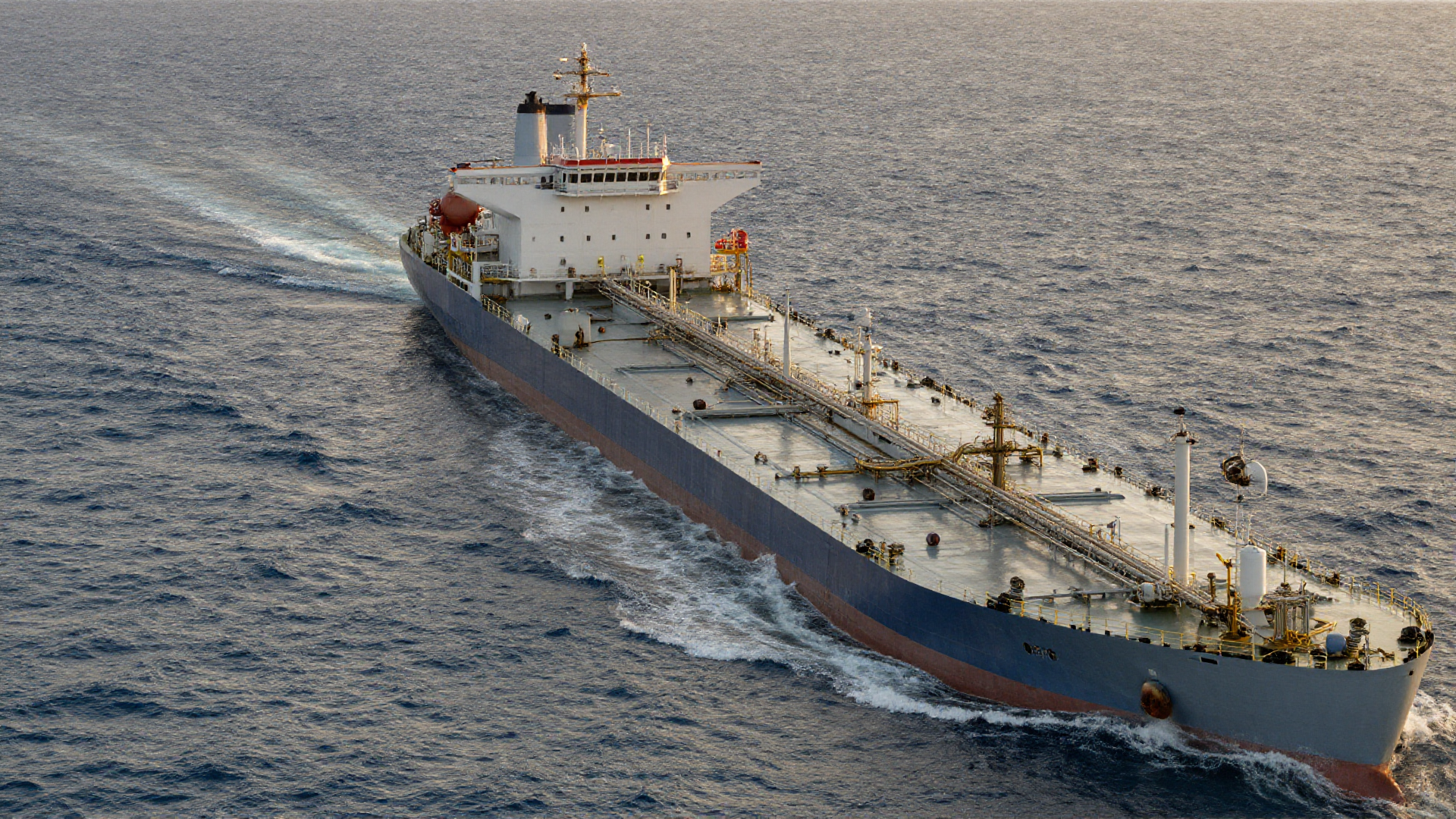
Trump Claims India Shifting Oil Purchases from Iran to Venezuela Post-Sanctions Easing
Former President Donald Trump stated on Saturday that India intends to begin purchasing crude oil from Venezuela, a move framed as a replacement for imports from Iran. This assertion follows recent US actions easing specific sanctions on Venezuelan oil sales, potentially reshaping regional energy flows. The claim highlights ongoing geopolitical maneuvering concerning global energy supply chains.
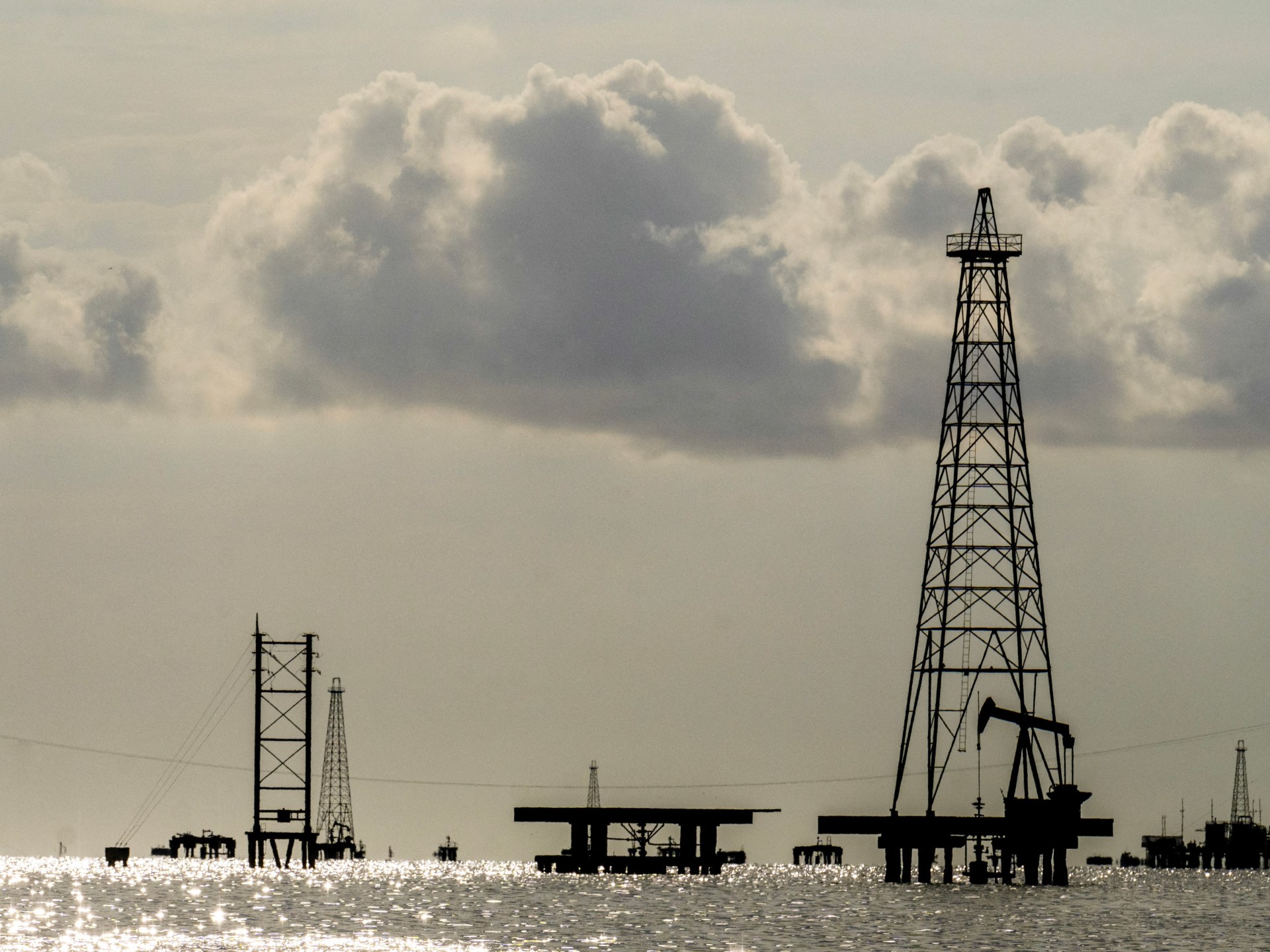
US Envoy Arrives in Caracas to Reopen Diplomatic Mission After Seven-Year Hiatus
The top US envoy for Venezuela, Laura Dogu, has arrived in Caracas to reestablish a diplomatic mission, seven years after relations were severed. This move follows significant economic restructuring in Venezuela, including oil sector privatization under pressure from the US administration of President Donald Trump.
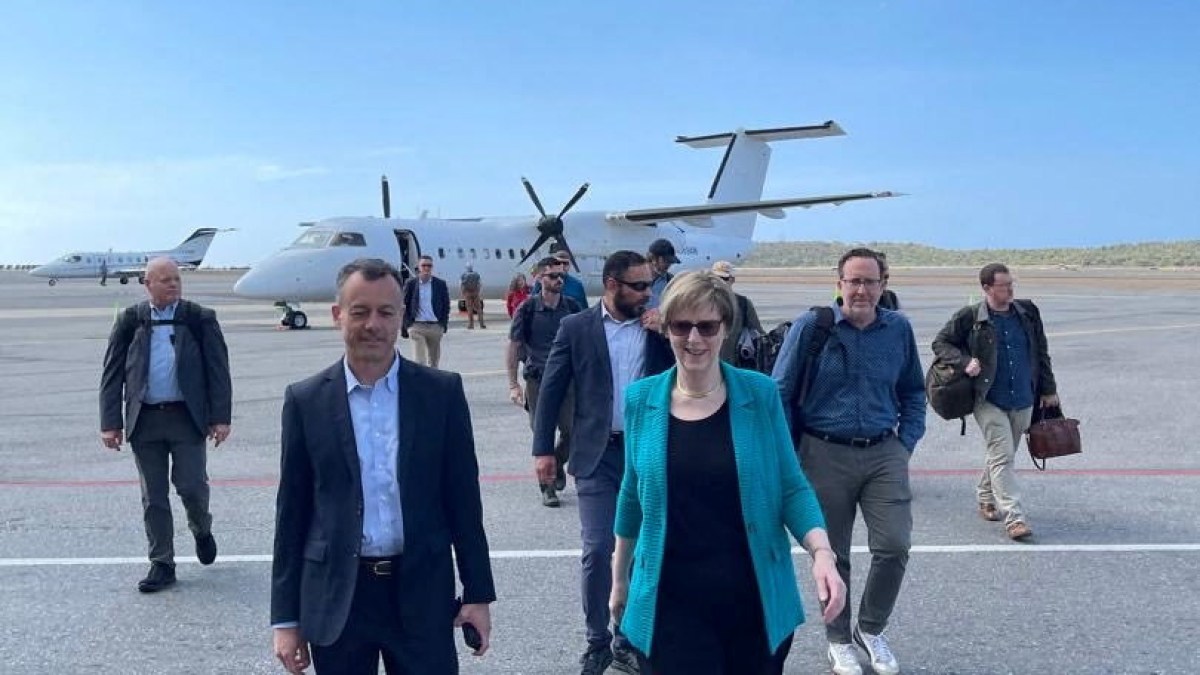
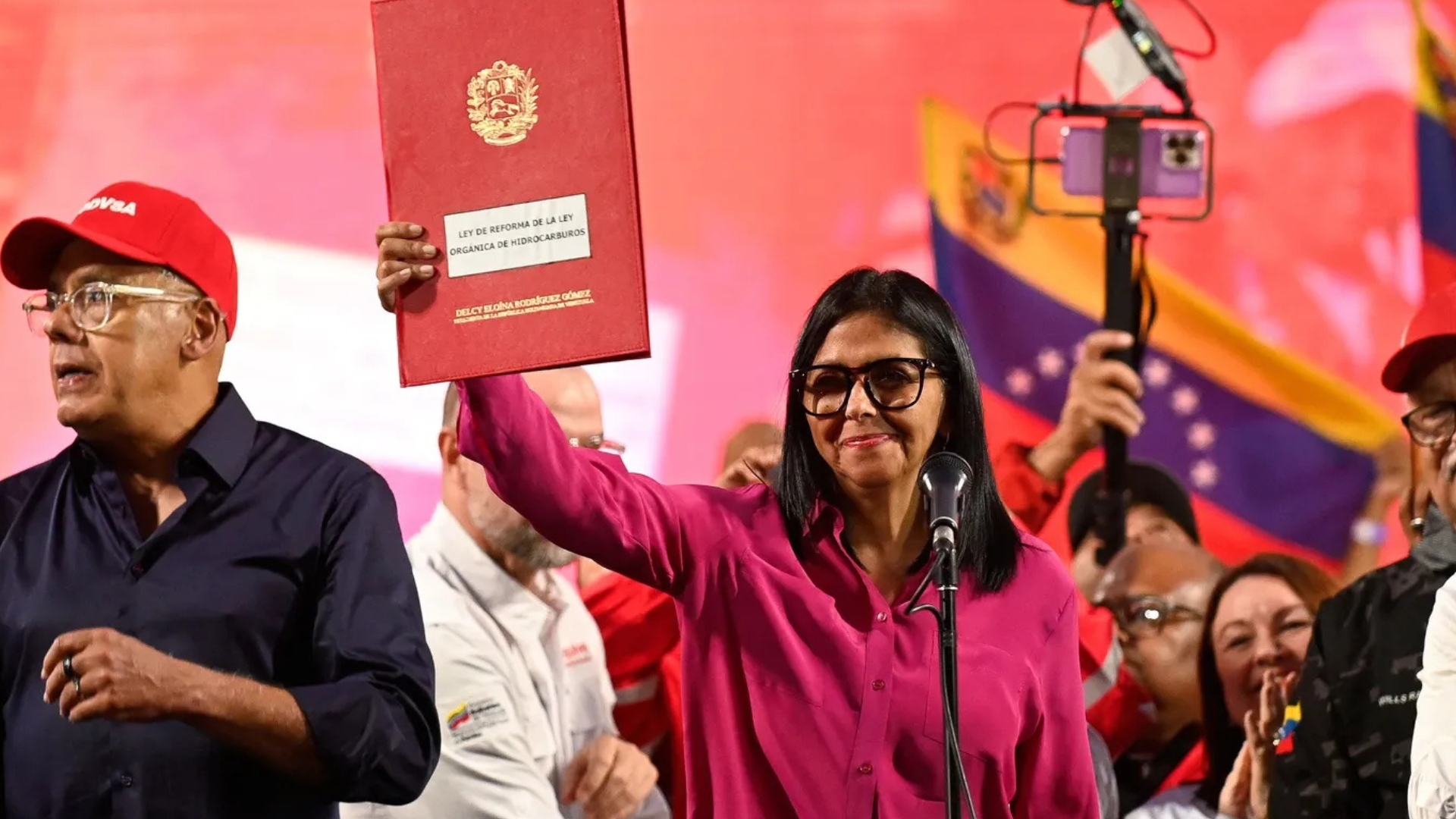
Venezuela Eases State Control Over Oil Sector Amid Calls for Private Investment
Caracas announced a substantial reform to its petroleum sector, signing a law that reduces state dominance and invites private capital into the industry. Analysts suggest this move clears a path for the return of major US oil corporations. The core question remains who ultimately benefits from these significant economic adjustments.
US Tariff Threat on Oil Suppliers Escalates Economic Crisis in Cuba
Former US President Donald Trump announced potential tariffs against nations supplying petroleum to Cuba, intensifying economic hardship for the island nation already grappling with severe blackouts and sanctions. Cuban officials condemned the move as 'criminal,' while energy experts warn the disruption to diesel supply threatens the core of the Cuban economy.