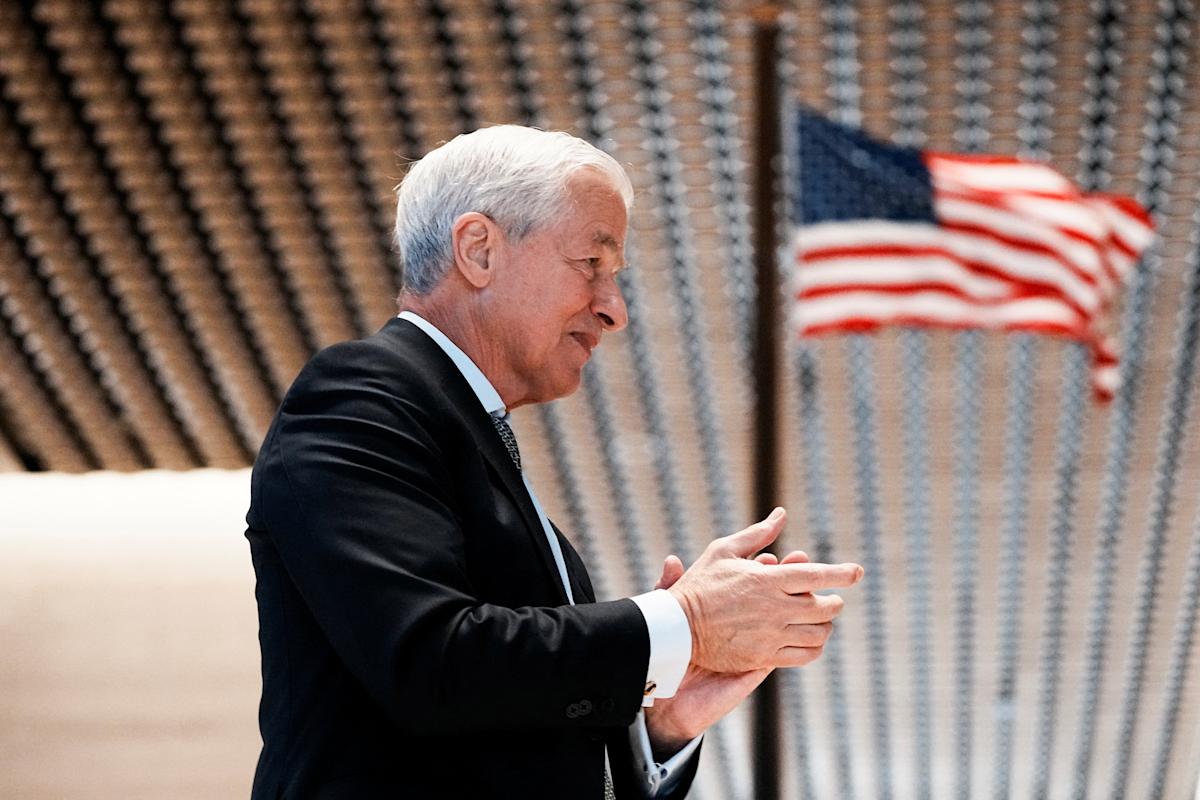
JPMorgan Chase and Bank of America announced Wednesday they will match the U.S. Treasury’s initial $1,000 contribution to the newly established 'Trump Accounts' for thousands of their eligible employees in the United States. These accounts, formalized under the 'One Big Beautiful Bill Act,' are designed as tax-advantaged investment vehicles for American children born between January 2025 and the close of 2028, with the federal government providing the seed funding.
Jamie Dimon, CEO of JPMorgan Chase, framed the move as a commitment to employee financial health, stating that the match facilitates early saving and long-term planning for employee families. Bank of America echoed this sentiment in internal communications, positioning the supplementation as an extension of their investment in their workforce.
This synchronized corporate action places two of the largest U.S. banking entities alongside a growing consortium of major firms, including BNY Mellon, BlackRock, Intel, and Charles Schwab, in supporting the federal initiative. The participation of these financial heavyweights lends substantial weight to the program, potentially influencing broader adoption and signaling acceptance within the financial sector of this specific policy mechanism.
Notably, the philanthropic sphere is also engaged, with billionaire Michael Dell committing $6.25 billion in December to augment these savings accounts, specifically targeting children in low- and middle-income demographics. Such private-sector largesse, coupled with institutional matching, amplifies the potential capital injection into these nascent investment pools.
The corporate support arrives amid heightened regulatory friction between the financial industry and the current administration regarding consumer finance. Specifically, major banks, including JPMorgan and BNY Mellon, are actively lobbying against a proposed one-year cap on credit card interest rates sought by the President, warning that such price controls risk constricting credit supply across the U.S. economy.
Executives like Jamie Dimon have publicly characterized aggressive rate caps as potentially 'an economic disaster,' while Bank of America CEO Brian Moynihan emphasized the potential for adverse effects on credit availability. This dynamic presents a complex scenario where key financial players endorse a wealth-building policy initiative while simultaneously resisting federal intervention in their core lending operations.
The convergence of institutional financial backing for the savings program, juxtaposed against resistance to proposed consumer credit rate limitations, underscores the nuanced relationship between Wall Street and current economic policy directives. The long-term implications for household savings rates and the structure of the U.S. credit market remain subjects of significant macroeconomic interest.
(Source: Adapted from reporting by Yahoo Finance)