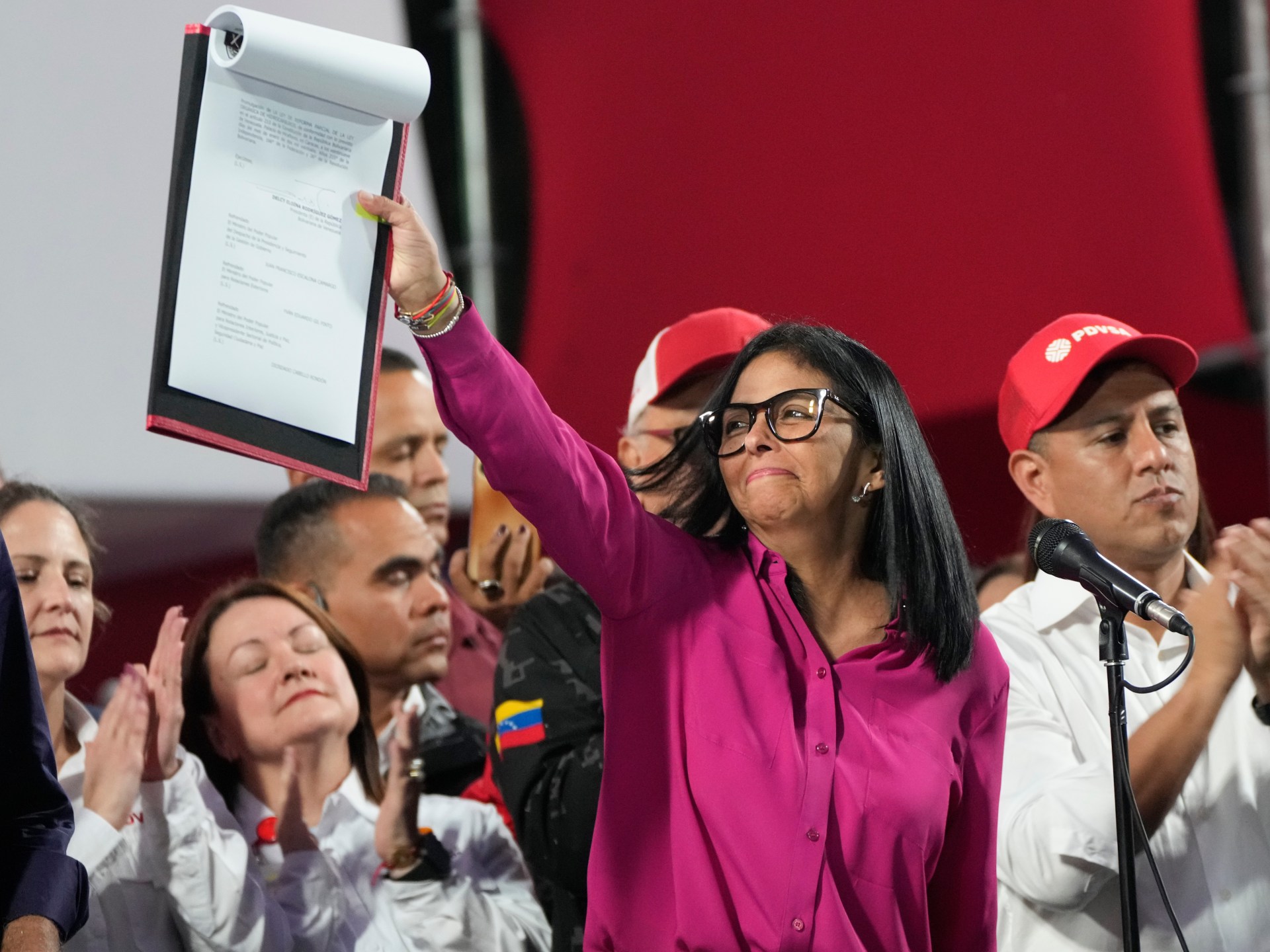
Venezuela’s interim President Delcy Rodriguez signed a reform bill into law on Thursday, a measure designed to open the nation’s nationalized oil sector to greater private investment. The signing ceremony followed the National Assembly’s approval of the legislation, which fulfills a key policy demand recently advanced by the United States government. Rodriguez characterized the reform as a necessary step toward securing the country’s economic future, according to remarks reported by Al Jazeera.
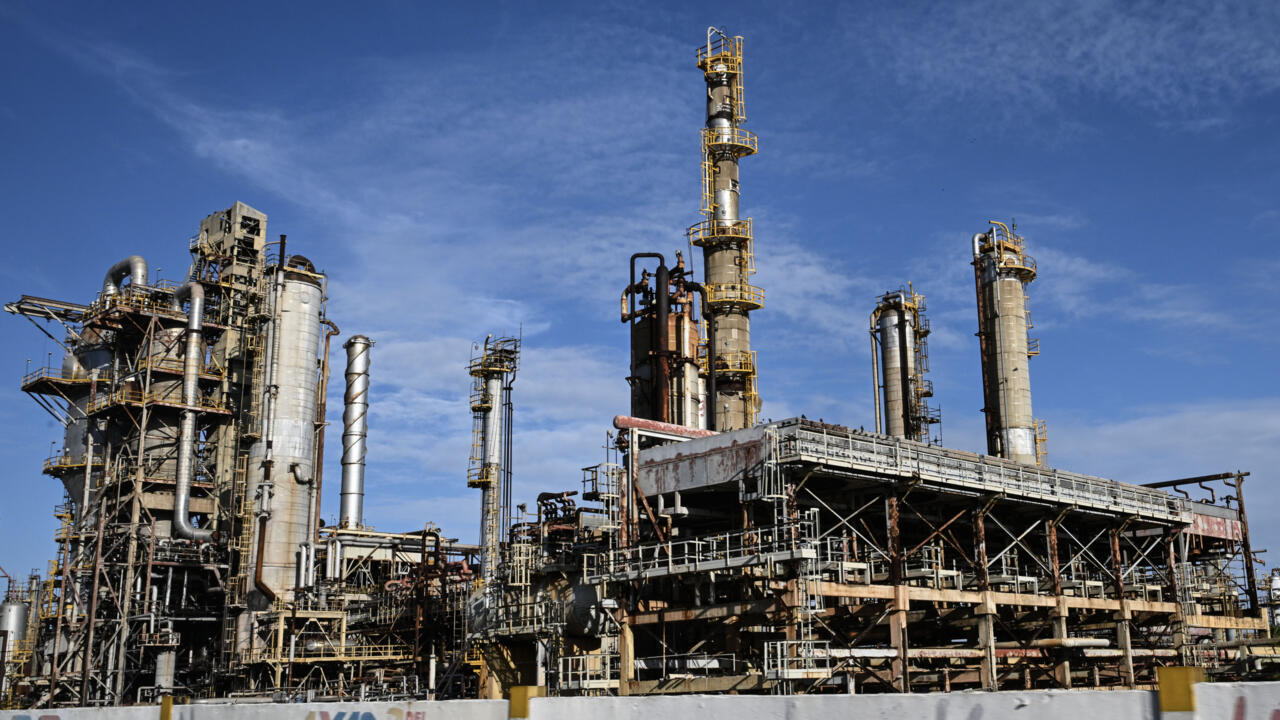
This legislation grants private entities increased control over both the production and sale of Venezuelan crude oil, a significant departure from decades of state dominance. Furthermore, the reform mandates that legal disputes involving the sector must be settled outside of Venezuelan courts, a condition long sought by international energy firms. The bill also caps government royalties collected on oil production at 30 percent.
The timing of the domestic legislation was matched by an external policy adjustment from Washington. The US Department of the Treasury announced it would permit specific, limited transactions involving Venezuelan oil by established US entities. These allowances cover activities such as exportation, resale, and refining of Venezuelan-origin crude.
This simultaneous action appears calibrated to make Venezuela’s petroleum market more attractive to foreign companies, many of whom have remained hesitant to commit capital due to political risk. The US previously imposed sweeping restrictions on the sector in 2019 during the first term of President Donald Trump. The new allowances aim to facilitate the flow of Venezuelan oil under US oversight.
These developments follow the January 3 detention of former Venezuelan leader Nicolas Maduro by US military forces, an action critics deemed a violation of national sovereignty. Trump administration officials have suggested the US will dictate the terms of future Venezuelan oil sales, with proceeds reportedly destined for a US-controlled bank account. This assertion overrides concerns regarding international law and Venezuelan autonomy.
Venezuela nationalized its vital petroleum industry during the 1970s, a process culminating in increased state control and expropriations under former President Hugo Chavez in 2007. The current administration, now under Rodriguez, is signaling a strategic pivot back toward international energy partnerships, albeit under new geopolitical constraints.
The legislative changes and the concurrent sanctions adjustment represent the most substantial opening of Venezuela's oil assets in years. The effectiveness of this newly structured market environment hinges on the commitment of international capital to engage with the political realities established by the current US posture.