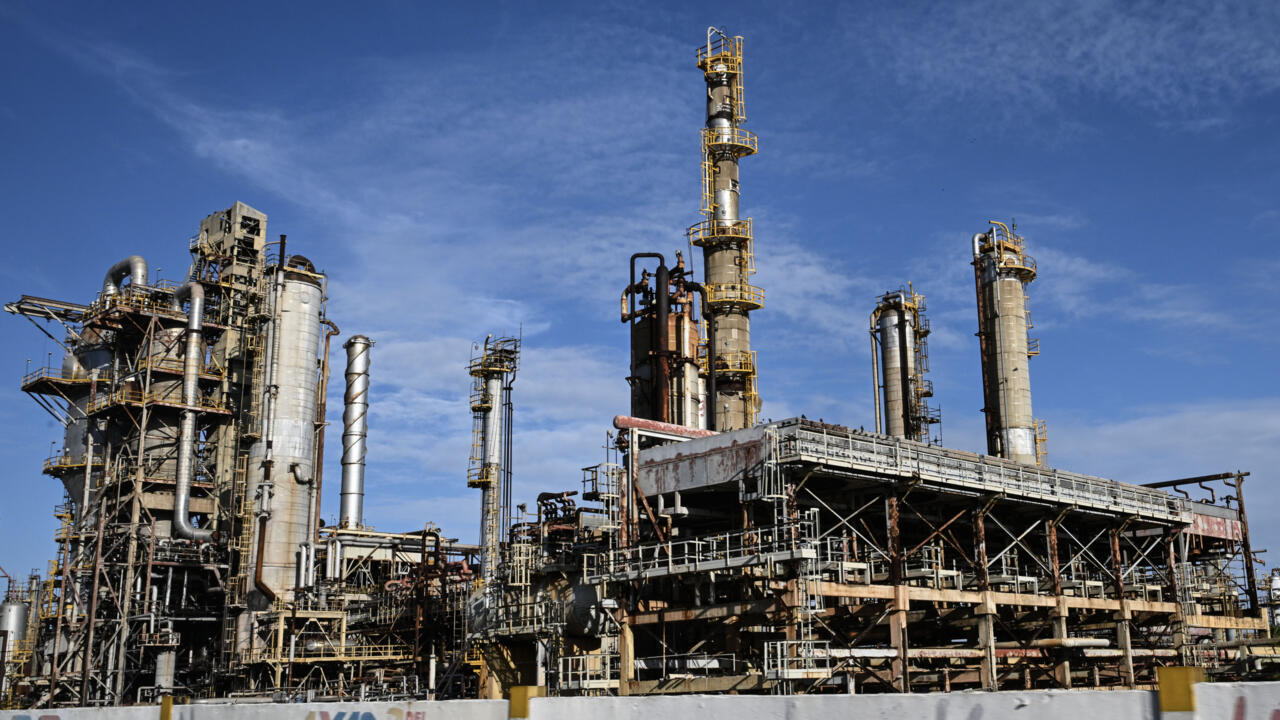
Venezuela’s acting President Delcy Rodríguez signed a law on Thursday authorizing the privatization of the nation’s oil sector, fundamentally reversing a core tenet of the socialist government established over twenty years ago. The National Assembly approved the energy industry overhaul shortly before the signing, occurring less than a month after the seizure of then-President Nicolás Maduro in a US military action in Caracas, according to reports.
Simultaneously, the US Treasury Department began easing sanctions targeting Venezuelan oil production, expanding operational permissions for US energy firms, as detailed by Secretary of State Marco Rubio the previous day. The initial Treasury authorization explicitly bars transactions involving entities from China, Russia, Iran, North Korea, or Cuba, setting clear parameters for the renewed engagement.
Rodríguez stated that these changes represent planning for the country’s future, following proposals from the current US administration to revitalize the ailing industry through foreign capital injection. The new legislation grants private sector entities control over oil production and sales, crucially permitting independent arbitration for commercial disputes, a key demand from potential foreign partners.
This modification addresses past grievances, as previous laws favored the state-run Petróleos de Venezuela SA (PDVSA), leading to the expropriation of Western assets two decades ago. The revised tax structure sets a royalty cap rate at 30%, allowing the executive branch flexibility to adjust percentages based on capital investment requirements and competitiveness.
Foreign investors have consistently cited the necessity of independent judicial oversight to mitigate risks associated with future expropriation, a guarantee now addressed by removing the mandate for dispute resolution exclusively within government-controlled Venezuelan courts. Ruling-party lawmaker Orlando Camacho asserted the reform will significantly alter the country’s economy.
However, opposition lawmaker Antonio Ecarri called for the inclusion of robust transparency and accountability provisions, advocating for public disclosure of funding and operational data to counter systemic corruption. Such guarantees are viewed by international capital as essential preconditions for re-entry into the Venezuelan market.
The legislation marks a dramatic shift from the policy framework established by Hugo Chávez, whose 2006 hydrocarbons law mandated PDVSA as the principal stakeholder in all major energy projects. Decades of mismanagement and falling prices, exacerbated by US sanctions, crippled PDVSA, contributing to the massive economic crisis and subsequent exodus of over seven million Venezuelans since 2014.