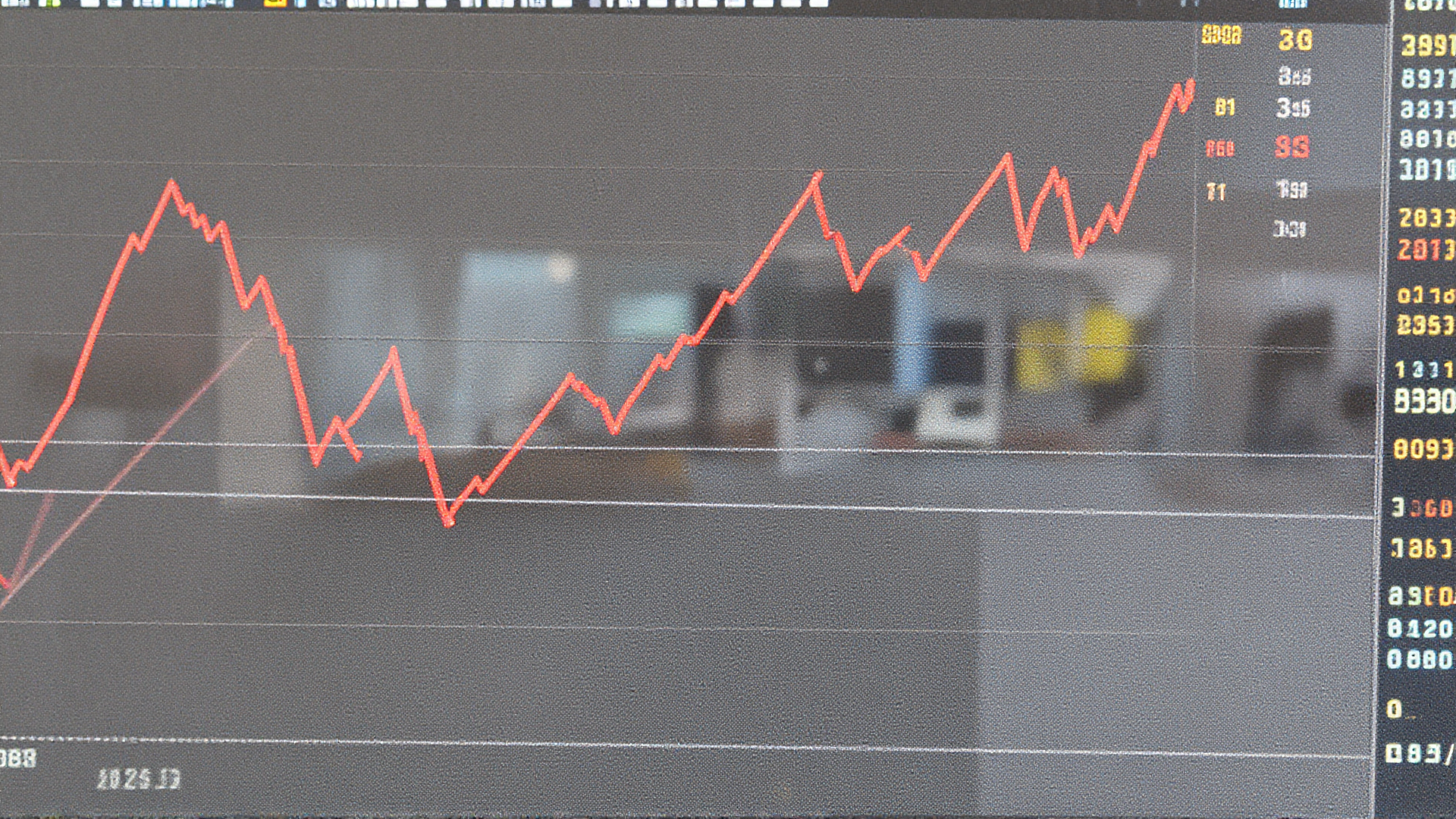
As the conflict in Iran intensifies, U.S. Treasury yields have climbed to multi-month highs during March 2026. This surge reflects market fears regarding delayed Federal Reserve rate cuts and elevated inflation expectations globally. Investors are now questioning when borrowing costs will force the Trump administration to reconsider its military strategy. Analysts warn that the bond market could soon reach a point where policy makers feel pressured to temper the war. The situation remains fluid as diplomatic channels struggle to de-escalate tensions.
According to ING, a specific metric known as the 10-year Treasury swap spread could signal impending trouble soon. That indicator is currently tracking below 60 basis points, which analysts identify as a critical warning threshold for stability. Crossing this level would increase the implied cost of funding for the heavily indebted U.S. government significantly. Garvey emphasized that rising swap spreads are not just about perception but actual costs. Funding costs for the government rise as investors demand higher premiums for risk.
Garvey from ING noted that wide swap spreads tighten credit conditions across the broader financial system. This environment typically leads to risk aversion among investors holding stocks and digital assets like Bitcoin. Narrow spreads remain the preferred state for maintaining stable borrowing costs across the economy. The ripple effect could impact liquidity availability for major institutions. Consequently, capital flows may shift away from riskier assets into safer havens.
Market observers are also watching the benchmark 10-year Treasury yield closely for signs of stress. Since the war began in late February, the yield has jumped approximately 45 basis points to reach 4.37%. The Kobeissi Letter identifies the 4.5% to 4.6% range as a decisive line in the sand for policy makers. That range represents a critical zone where economic pressure mounts rapidly. Yield curves are flattening as short-term rates adjust to the changing environment.
Historical data suggests President Trump reacted similarly to yield spikes during his previous term in office. In April 2025, yields surged above 4.50% before he officially paused reciprocal tariffs for 90 days. That precedent indicates bond market pressure could influence current geopolitical decisions regarding the war. The administration may seek to stabilize markets before escalating further. Such policy reversals often occur when economic pain outweighs political objectives.
Military developments continue to complicate the economic outlook for the region and global markets. President Trump paused attacks on Iranian infrastructure on Tuesday, citing productive talks that Iran denied. Meanwhile, U.S. and Israeli forces reportedly struck new energy facilities in Khorramshahr early Wednesday. These actions fuel uncertainty about the duration of the conflict. Diplomatic efforts have been sporadic and lack transparency among the involved parties.
Analysts warn that if yields breach the 5% level, it could destabilize risk assets significantly. Arthur Hayes of BitMEX previously stated that such a rise might trigger a mini-financial crisis. This scenario would likely force the Federal Reserve to inject liquidity into the system quickly. A crisis could lead to rapid policy shifts to stabilize the dollar. Market participants are pricing in a high probability of emergency rate cuts.
Bitcoin traders must monitor these bond market shifts as they directly influence risk appetite and capital flows. A liquidity injection could recharge bulls after an initial knee-jerk drop in crypto prices. Current data shows Bitcoin trading near $71,295 as markets digest the volatility. Traders are watching for signs of Fed intervention. Volatility indices are rising in tandem with the bond market turbulence.
Regional dynamics are also shifting as Gulf allies inch toward joining the conflict in the Middle East. Oil prices jumped 4% on reports that Saudi Arabia and the United Arab Emirates are moving to participate. This escalation adds further inflationary pressure to the global economy and supply chains. Energy markets remain highly sensitive to geopolitical tensions. Supply chain disruptions could further exacerbate inflationary pressures in the near term.
The takeaway for investors is clear: Treasury yields and swap spreads are now key indicators for policy direction. Future moves by the Trump administration may depend on whether the bond market forces a pause in hostilities. Markets will watch for the 4.6% yield threshold in the coming weeks. Investors should remain vigilant for sudden shifts in financial conditions. Regulatory clarity may become a priority if the financial system faces strain.