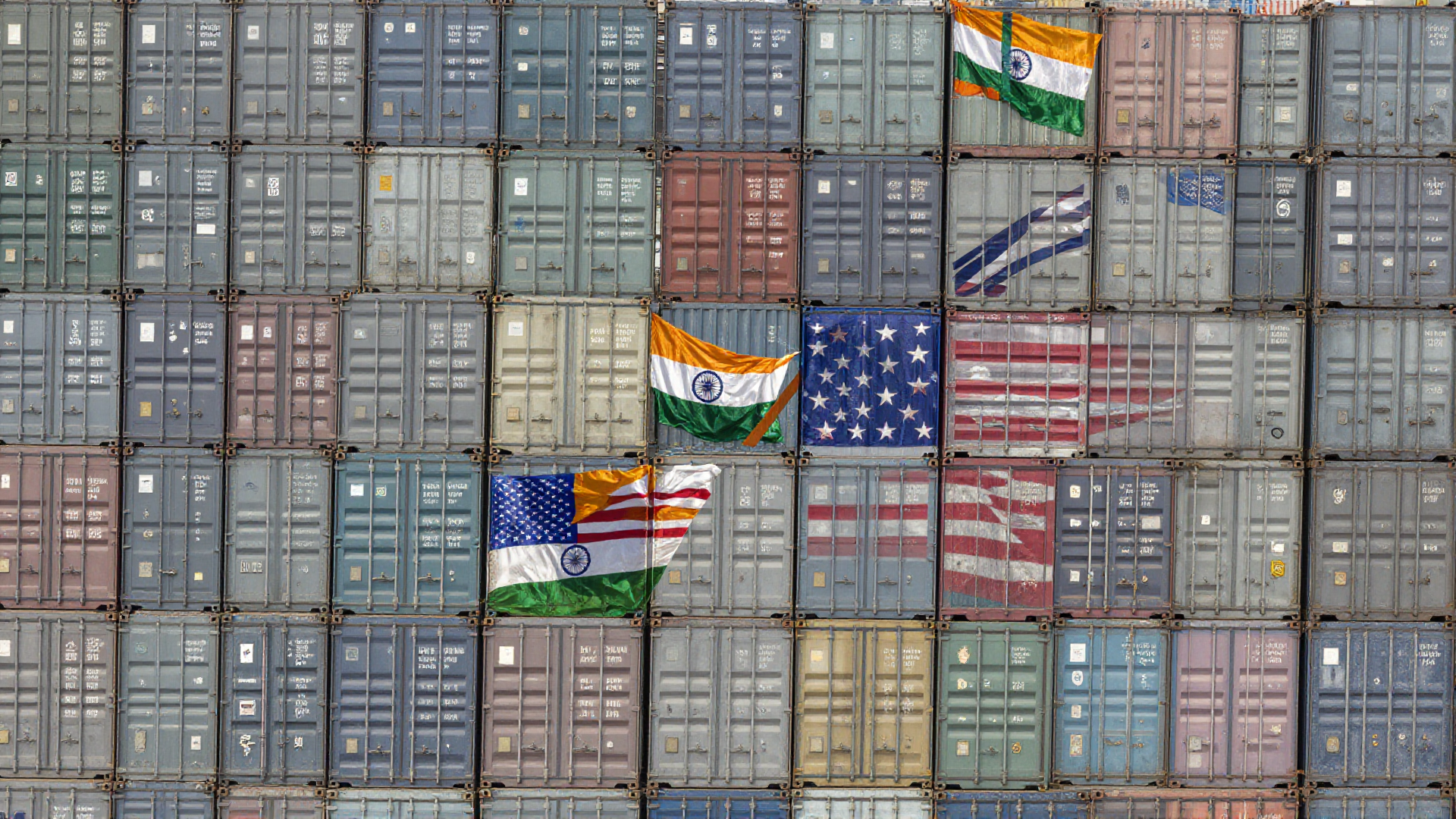
The United States has reduced tariffs on goods imported from India to eighteen percent, down from fifty percent, following direct negotiations between President Donald Trump and Prime Minister Narendra Modi. This immediate reduction follows India’s commitment to cease purchasing Russian oil and pivot to acquiring energy supplies from the US and potentially Venezuela, according to a statement released by President Trump.
White House officials confirmed to Reuters that the punitive twenty-five percent duty, which was imposed over India's continued energy dealings with Moscow, has been rescinded from the existing rates. Furthermore, Prime Minister Modi reportedly committed to substantial new procurements exceeding $500 billion across US energy, technology, and agricultural sectors.
Experts noted that the new eighteen percent tariff places Indian goods closer to the rates applied to Southeast Asian imports entering the US market, according to Rachel Ziemba, an adjunct senior fellow at the Center for a New American Society. However, analysts cautioned that the scope of the agreement remains partially defined, as Modi’s public response welcomed the tariff cut but did not explicitly confirm reciprocal Indian tariff reductions on US goods.
This trade resolution follows months of escalating pressure, which included Washington doubling duties on Indian imports last August to force a policy shift regarding Russian energy. India, the world’s third-largest oil importer, relies heavily on imports, and cheaper Russian crude has helped mitigate rising energy costs since the 2022 invasion of Ukraine.
Data indicates that India has already begun to moderate its imports from Russia, slowing purchases from approximately one point two million barrels per day in January to a projected eight hundred thousand barrels per day by March. The imposition of high US tariffs had previously exerted considerable strain on Indian markets, contributing to record outflows of foreign investment in 2025.
Despite the immediate tariff relief, analysts suggest diversification efforts initiated by New Delhi will persist due to the unpredictable nature of the bilateral relationship. Vina Nadjibulla of the Asia Pacific Foundation of Canada stated that India will continue to de-risk its supply chains following the period of punishing US tariffs.
The announcement arrives shortly after India finalized a comprehensive trade agreement with the European Union, which aims to establish free trade across nearly all goods after nearly two decades of negotiation. This EU deal will significantly impact sectors ranging from pharmaceuticals to automotive imports between the two economic blocs.