U.S. stock markets closed higher on Monday after President Donald Trump announced that Iranian officials have contacted the White House to negotiate a settlement. The news followed a period of intense market volatility triggered by a U.S. naval blockade of the Strait of Hormuz.
Major American indices saw gains following the announcement. The S&P 500 rose 1.02% to 6,886.21 points, the Nasdaq 100 climbed 1.07%, and the Dow Jones added 302.48 units, finishing at 48,219.05, according to CNN Chile.
Speaking outside the White House, Trump stated that the U. scale of the conflict might be de-escalating. “I can tell you we’ve been called by the other side. They’d like to make a deal very badly … We’ve been called this morning by the right people, the appropriate people,” Trump said, as reported by The Guardian.
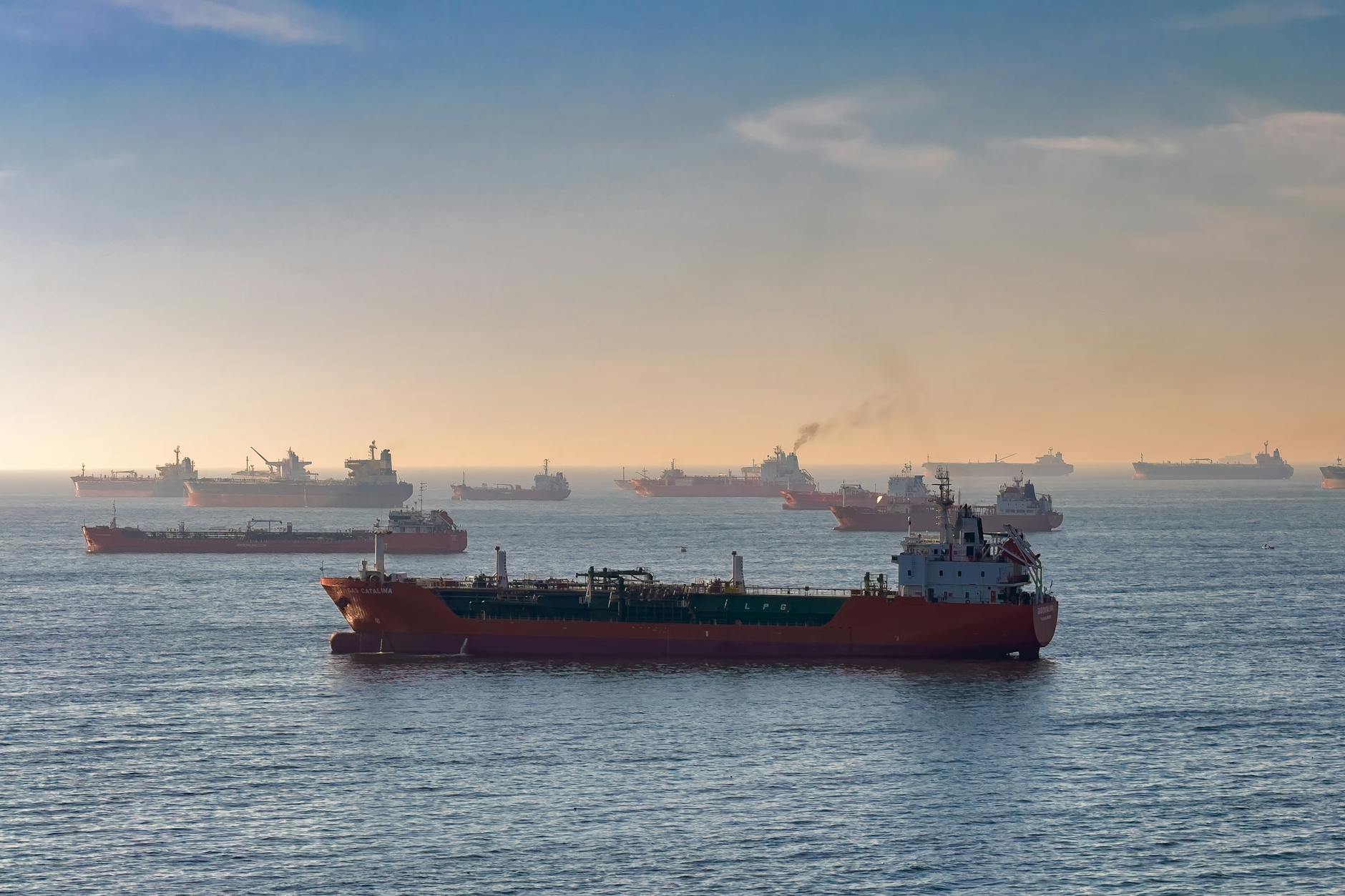
This diplomatic opening follows a failed round of negotiations in Islamabad, Pakistan. In response to those failed talks, the U.S. President ordered the Navy to block the Strait of Hormuz and Iranian ports to prevent the movement of oil and gas.
Oil prices reacted sharply to the shifting rhetoric. Brent crude international benchmark rose above the $100 threshold earlier in the day, hitting $101.70 a barrel, before easing back to approximately $99 a barrel after the news of Iranian contact. WTI crude rose 2.6% to $99.10, according to Al Jazeera.
Global economic strain
While U.S. markets rose, international indices closed in the red. The German DAX fell 0.26%, the French CAC 40 dropped 0.29%, and the Spanish IBEX 35 declined 0.99%, according to CNN Chile. In Asia, the Japanese Nikkei 225 fell 0.74% and the Hong Kong Hang Seng dropped 0.90%.
The Chilean market saw a different trend, with the S&P IPSA closing up 0.52% at 11,132.84 points, driven by gains in copper and shares of SQM-B, Norte Grande, and CSAV.
Shipping and energy costs continue to face pressure from the ongoing conflict between the U.S., Israel, and Iran. The Containerized Freight Index has jumped more than 10% over the past month, and is up 35% from this time last year, according to Al Jazeera. More than 34,000 ships have diverted from the Strait of Hormuz over the last month.
U.S. gas prices have also felt the impact. The American Automobile Association reports that the average price of gas is $4.125 per gallon, compared to $3.63 at this time last month. In the UK, the wholesale gas contract for May settled 5% up at 114.8p per therm.
Despite a 60-day waiver of the Jones Act intended to lower energy costs by allowing foreign-flagged vessels to transport goods between U.S. ports, analysts say the impact is negligible. “It is estimated that it’s going to be about 3 cents on the East Coast and it might go up on the Gulf Coast, but these changes are so small that they’re overshadowed by the spikes in oil prices, and the oil prices keep going up,” Professor Usha Haley told Al Jazeera.
The United Nations has called for stability in the region. UN spokesperson Stephane Dujarric stated that Secretary-General Antonio Guterres is calling on ‘all parties’ to respect freedom of navigation in the Strait of Hormuz, according to Al Jazeera.