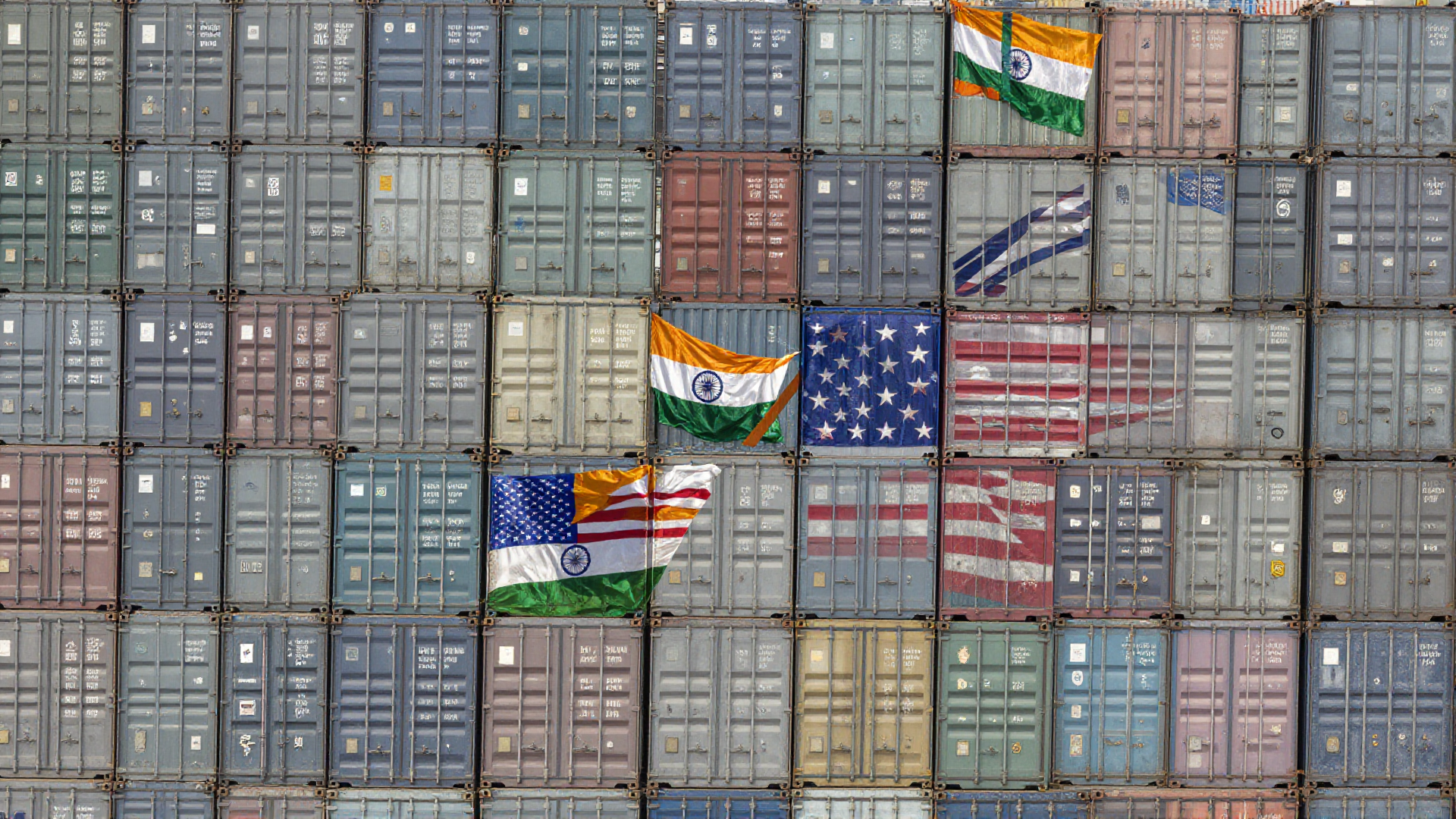
Former President Donald Trump announced a significant trade agreement with Indian Prime Minister Narendra Modi, which will see US tariffs on Indian imports drop from 50% to 18% following India’s pledge to cease Russian oil purchases. This development also includes India committing to substantially increase energy and goods procurement from the US, according to Trump’s statement on Truth Social.
The core concession from New Delhi involves halting imports of Russian oil, a move that aligns US strategic interests regarding sanctions pressure on Moscow. Trump further claimed that India agreed to halt Russian oil purchases and instead procure more energy from the US and potentially Venezuela.
Trade relations between the two nations had been strained since August when the US imposed the 50% tariff, which included a specific 25% penalty linked to India’s energy dealings with Russia. A White House official confirmed to the BBC that this specific penalty would be dropped, and other tariffs lowered to establish the new 18% rate as part of the bilateral understanding.
Prime Minister Modi expressed satisfaction with the outcome on X, noting that cooperation between the world’s largest democracies unlocks significant mutual opportunities. Modi also confirmed India’s commitment to purchasing over $500 billion in American products, spanning energy, technology, and agriculture sectors.
This agreement follows closely on the heels of India finalizing a landmark trade deal with the European Union, which aims to eliminate taxes on nearly all goods exchanged between the two entities. Analysts suggested the Washington-Delhi accord serves as a counterpoint to concerns that the EU was gaining an advantage over the US in trade negotiations with India.
However, US domestic importers voiced criticism, noting that even the reduced 18% rate remains significantly higher than the average 2.5% duty paid before the initial punitive tariffs were enacted. Dan Anthony, director of the We Pay the Tariffs coalition, characterized the new rate as a 'permanent tax hike' for American consumers and businesses.
Geopolitically, the reduction in Russian oil imports by a major economy like India signals a minor shift in global energy flows amid ongoing Western sanctions related to the conflict in Ukraine. The immediate market reaction saw US stocks move marginally higher following Trump's public announcement of the resolution.