United Airlines CEO Scott Kirby recently indicated that ticket prices would require a significant increase to offset rising fuel costs. This warning comes as geopolitical tensions in the Middle East continue to drive up global energy markets significantly. The airline executive expects oil prices to remain elevated for an extended period without immediate relief from producers.
According to statements made during an interview with Bloomberg on Tuesday, current fare adjustments have only partially covered inflationary increases. Kirby noted that recent price hikes between fifteen and twenty percent cover only about half of the necessary increase. Consequently, the company anticipates needing further adjustments if crude oil expenses do not decrease substantially in the near term.
"If oil prices stayed where they are today, that's $11 billion of expense for us," Kirby said.
The executive explained that covering this specific expense would require prices to climb another twenty percent to break even on a per-ticket basis. This financial reality highlights the direct correlation between geopolitical instability and consumer spending power in the travel sector. United Airlines operates under pressure to balance operational costs with customer expectations.
Market Dynamics
United has largely abandoned traditional fuel hedging practices, leaving them more exposed to market volatility. Without these financial instruments, airlines must absorb price shocks directly from supply chain disruptions. This structural change means that even minor fluctuations in crude oil prices translate immediately into operational expenses for carriers across the industry.
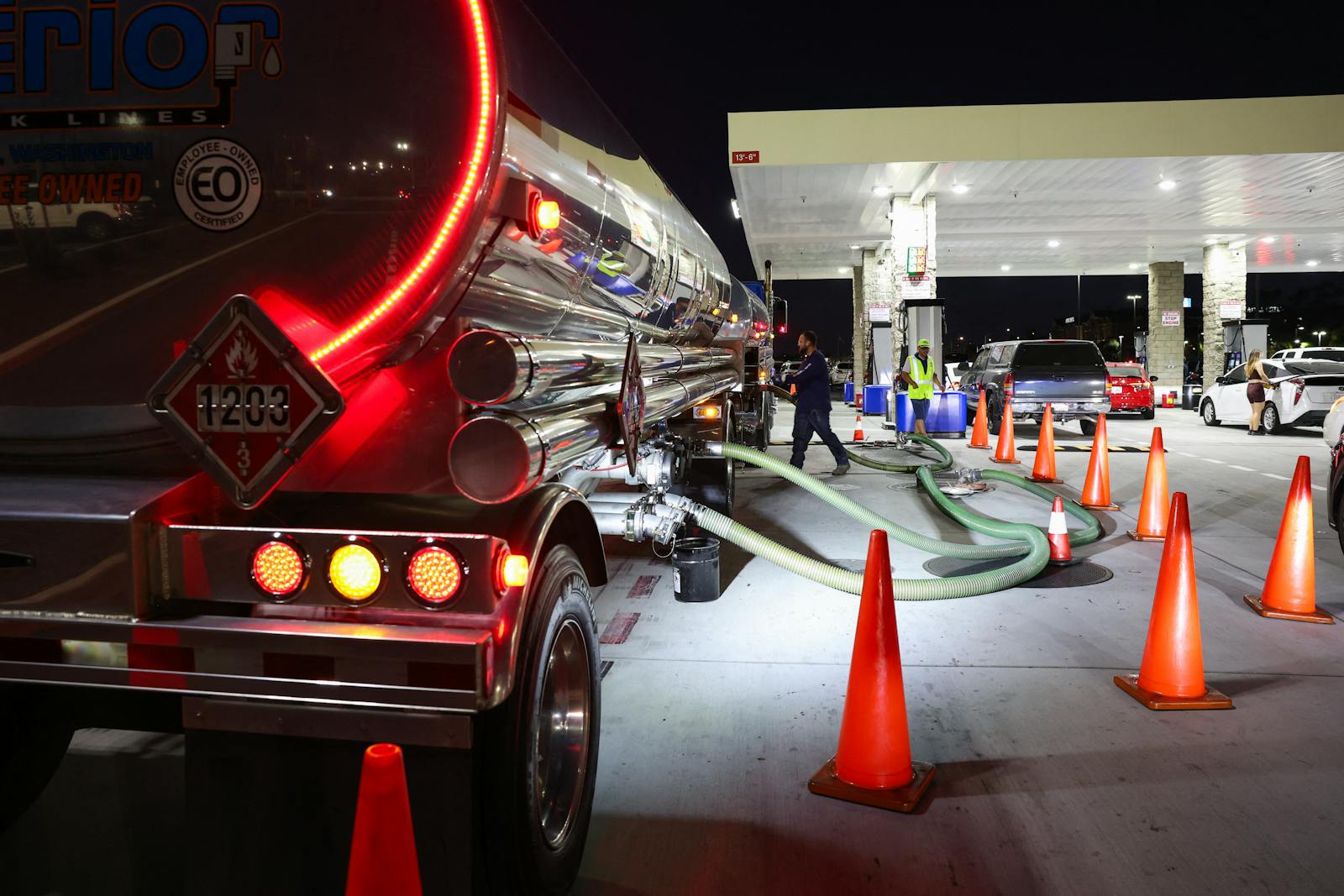
The Argus US Jet Fuel Index reported that jet fuel costs have cracked the four dollar mark recently. Such pricing levels are driven significantly by the ongoing conflict between the United States and Iran in the region. These external factors create a challenging environment where businesses must plan for worst-case scenarios to maintain profitability. United specifically issued a worst-case oil pricing forecast of one hundred seventy-five dollars per barrel through 2027.
"We leave a little bit of demand on the table by not flying quite as much this summer, so what," Kirby said.
Despite these financial pressures, the chief executive reported that booking demand remains at its strongest levels ever recorded. The top ten booking weeks for the year have already occurred within 2026 according to internal data shared with reporters. This suggests consumers are willing to pay higher fares to maintain essential travel needs and family connections.
Future Outlook
United issued a worst-case oil pricing forecast predicting prices could trade above one hundred dollars through 2027. Management stated it is reasonable for the company to plan for this scenario regardless of current market fluctuations. If demand were left on the table by reducing flight capacity, the airline would accept that potential loss as a business decision.
Analysts suggest that consumer pushback will occur but might not be sufficient to deter these necessary price adjustments. The airline industry faces a structural shift where fuel costs permanently influence ticket pricing structures globally. Investors and consumers alike must adapt to this new reality of elevated energy expenditures affecting travel logistics worldwide.