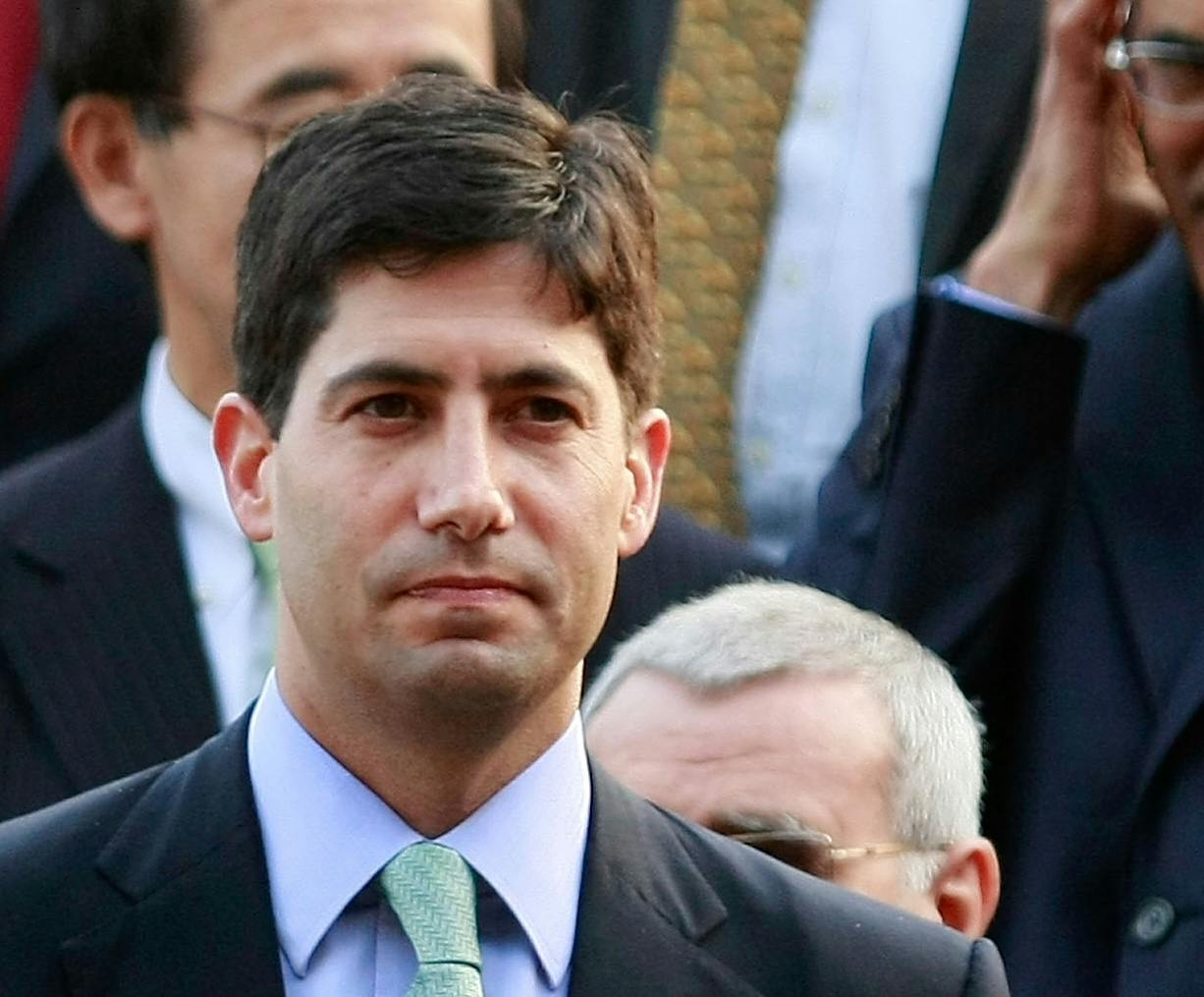
Former Federal Reserve Governor Kevin Warsh is President Donald Trump’s selection to lead the US central bank, succeeding current Chair Jerome Powell, the President announced via Truth Social on Thursday evening. Trump praised Warsh, stating he has “no doubt that he will go down as one of the GREAT Fed Chairmen,” according to the social media post. Warsh previously served on the Fed’s Board of Governors between 2006 and 2011 and was reportedly considered for the position during the 2017 selection process.
Market reactions were swift following reports preceding the official announcement, with Treasury yields and the US dollar appreciating. Analysts suggest this movement reflects Warsh’s known preference for a smaller Federal Reserve balance sheet and potentially lower interest rates, a key priority cited by Trump for the role. Conversely, the rise in the dollar might signal skepticism regarding Warsh's ability to secure broad consensus for highly accommodative policy among his Fed peers.
Warsh’s tenure at the Fed drew scrutiny from detractors, who point to his past advocacy for financial innovation, including the growth of derivatives markets in 2007, as reported by Sherwood News. Further concerns stem from his 2010 support for fiscal consolidation while unemployment remained elevated, signaling a potentially hawkish stance during crisis periods that some argue contradicts recent commentary.
Confirmation proceedings face immediate opposition, as Senator Thom Tillis publicly reiterated his intent to block any Fed nomination until the ongoing Department of Justice investigation concerning Powell concludes transparently. President Trump responded assertively, indicating he would wait until Senator Tillis, who is retiring in January 2027, is no longer in office if necessary.
Despite political friction, Warsh appears to possess notable support across the economic spectrum, reportedly including figures from the current administration as well as JPMorgan CEO Jamie Dimon and former Obama CEA Chair Jason Furman. However, historical analysis, such as a case documented by Sam Bell of Employ America, outlines previous policy divergences, suggesting potential internal discord.
Geopolitically, the appointment signals a potential shift in the central bank’s near-term focus toward economic stimulus, though the immediate market reaction suggests an underlying tension regarding long-term inflation risks. The performance of commodities, with gold reportedly down five percent following the news, underscores the immediate volatility associated with this high-stakes personnel decision.
Federal funds futures, however, registered minimal change regarding the amount of monetary easing priced in through 2026 compared to the previous day's close. This suggests that while market sentiment shifted on yield expectations, the broader trajectory for near-term policy adjustments remains largely priced in by derivatives markets.