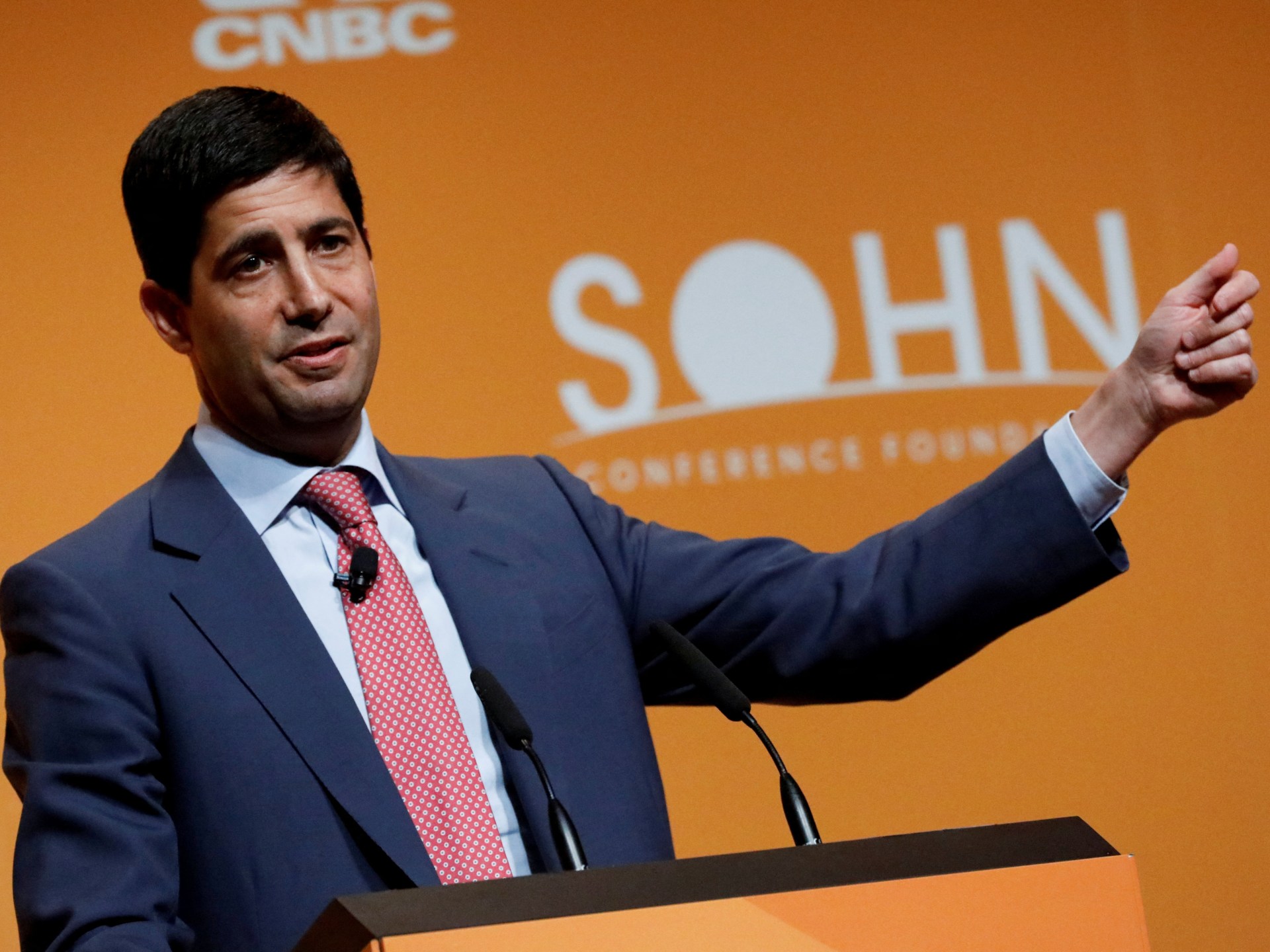
United States President Donald Trump nominated former Federal Reserve Governor Kevin Warsh on Friday to chair the Federal Reserve when incumbent Jerome Powell’s tenure concludes in May. This announcement concludes a highly publicized search process for the leadership of one of the world’s most critical economic institutions. Trump stated on his platform that Warsh would be one of the "GREAT Fed Chairmen," endorsing the candidate publicly.
Warsh, aged 55, is considered a political compromise, having recently advocated for lower interest rates, aligning partially with Trump’s stated monetary policy preferences. However, he is expected to maintain a more orthodox approach than some other candidates considered for the role, according to reports.
The nomination is set to face intense scrutiny during Senate confirmation hearings, particularly given Trump’s ongoing criticism of the current Fed leadership. This process occurs while the Department of Justice has reportedly opened a criminal probe into Chair Powell, intensifying concerns over political interference.
Critics argue that Trump’s actions are undermining the Federal Reserve's long-standing institutional independence from political pressures. Senator Elizabeth Warren, the ranking Democrat on the Senate Banking Committee, characterized the move as an effort by Trump to "seize control of the Fed." She demanded Republicans halt confirmation until the investigation into Powell ceases.
Republican Senator Thom Tillis echoed concerns over political intimidation, stating he would not vote to confirm any nominee until the Department of Justice probe into Powell concludes. Conversely, some Republicans, such as Senator Bill Hagerty, welcomed the choice, asserting Warsh is best suited to refocus the central bank on its statutory mandate.
Warsh previously served on the Fed’s board between 2006 and 2011 and was an economic aide during the George W. Bush administration. He is also a fellow at the Hoover Institution and has criticized current Fed engagement on non-monetary issues like climate change, which he views as outside the Fed's mandate.
Market reaction, according to reports cited by Al Jazeera, suggests Warsh’s appointment may be received positively in the short term due to his market experience. Analysts suggest that while he might initially align with presidential desires, Warsh could ultimately adopt an independent stance, similar to Powell, once in office.
If confirmed, uncertainty remains over whether Powell would immediately vacate the position or remain until the end of his term, a deviation from tradition influenced by the current political climate. The Federal Reserve’s decisions on interest rates profoundly affect domestic borrowing costs and global financial stability.