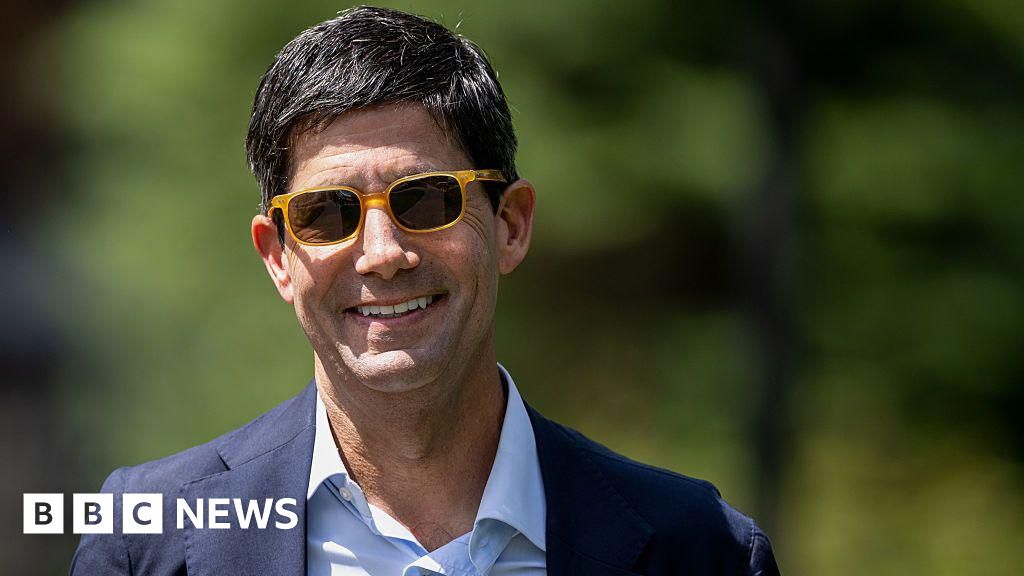
President Donald Trump announced his selection of former Federal Reserve Governor Kevin Warsh to potentially succeed Jerome Powell as the central bank’s chairman, as Powell’s term approaches its conclusion in May. Trump expressed strong confidence in Warsh, stating he "is 'central casting' and he will never let you down," according to a social media announcement. This nomination places a figure known for a more hawkish stance into a role where the President seeks alignment on interest rate policy.
Warsh’s reputation as a proponent of higher interest rates creates a notable tension with the administration's consistent pressure for lower borrowing costs. While Warsh has recently moderated his public commentary, his historical record suggests a potential conflict with Trump’s desire for aggressive rate cuts to stimulate economic growth. This divergence raises questions about whether Warsh will deliver the monetary stance favored by the White House.
Warsh possesses a traditional economic profile, including tenure at the Federal Reserve, Wall Street experience, and affiliation with the conservative Hoover Institution. Supporters, including economists like Lee Ohanian of UCLA, suggest Warsh understands the necessity of maintaining the Fed's operational independence from political directives. They argue that capitulating to presidential demands would undermine market stability and the institution itself.
Wall Street and congressional observers reacted cautiously, viewing Warsh's potential independence as a mitigating factor against excessive political influence on the Fed. Notable figures, such as former Secretary of State Condoleezza Rice and economist Mohamed el-Erian, reportedly offered positive assessments of the nomination. However, critics cite Warsh’s past opposition to 2008 stimulus measures as evidence of judgment potentially out of step with prevailing economic necessity.
Market reactions following the announcement suggested traders interpreted Warsh as leaning toward monetary conservatism, as evidenced by a dip in gold prices and an appreciation in the US dollar. This initial assessment implies that financial markets anticipate Warsh may adhere to his 'hawk' instincts rather than immediately adopting Trump's easing agenda. However, ongoing rate cuts by the Fed last year suggest some policy convergence is already underway, irrespective of the chairman's views.
Beyond interest rates, Warsh has signaled a desire to reduce the Federal Reserve's regulatory scope and curtail its involvement in non-monetary matters, such as climate change studies. He aligns with the administration in criticizing post-2008 interventions, advocating for a faster reduction of the Fed's substantial holdings of Treasuries and mortgage-backed securities. The execution of such a balance sheet reduction, however, could inadvertently lead to higher borrowing costs, counteracting the President's objectives.
Narayana Kocherlakota, a former Fed colleague, maintains that Warsh is sufficiently intelligent and independent to resist presidential pressure if economic conditions warrant it. Conversely, some analysts, like Thierry Wizman of Macquarie Group, argue that Warsh's views have evolved to closely mirror Trump’s monetary policy orientation since 2009. The coming months will clarify whether Warsh prioritizes institutional autonomy or the administration's economic priorities.