Mexico’s aviation sector has consolidated into a powerhouse industry, with 10 key players generating a combined 360 billion pesos in annual revenue. According to the 2025 '500 Most Important Companies in Mexico' ranking by Expansión, this group holds a tight grip on the nation’s air traffic, infrastructure, and commercial flow.
The list includes eight private firms and two government entities, reflecting a landscape where tourism and commerce drive massive economic activity. While private carriers dominate passenger transit, state-run organizations remain critical to the operational backbone of the country’s skies.
The Market Leaders
Grupo Aeroméxico leads the sector with 103,012 million pesos in revenue and a workforce of over 16,000 employees. As the country's flagship carrier, it maintains the most extensive international network, utilizing a modern fleet of Boeing and Embraer aircraft to connect Mexico to Europe, Asia, and the Americas.
Public entities play an equally vital role. Aeropuertos y Servicios Auxiliares (ASA), a federal agency, reported 60,061 million pesos in revenue. Beyond managing regional airports, ASA serves as the primary supplier of aviation fuel and technical consulting for the industry.
Low-cost carriers continue to reshape the domestic market. Volaris and Viva Aerobus remain central to this shift, reporting 51,757 million and 47,016 million pesos in revenue, respectively. Both airlines have aggressively expanded their fleets and route maps, focusing on high-frequency, budget-friendly travel across Mexico and the Americas.
Infrastructure management is largely concentrated within three major private groups formed during the 1990s privatization wave. The Grupo Aeroportuario del Pacífico, which manages 12 hubs including Guadalajara and Tijuana, and the Grupo Aeroportuario del Sureste, which controls the lucrative Cancún airport, are key drivers of the sector's profitability. OMA, the operator for 13 airports in the north and center of the country, rounds out the private infrastructure dominance.
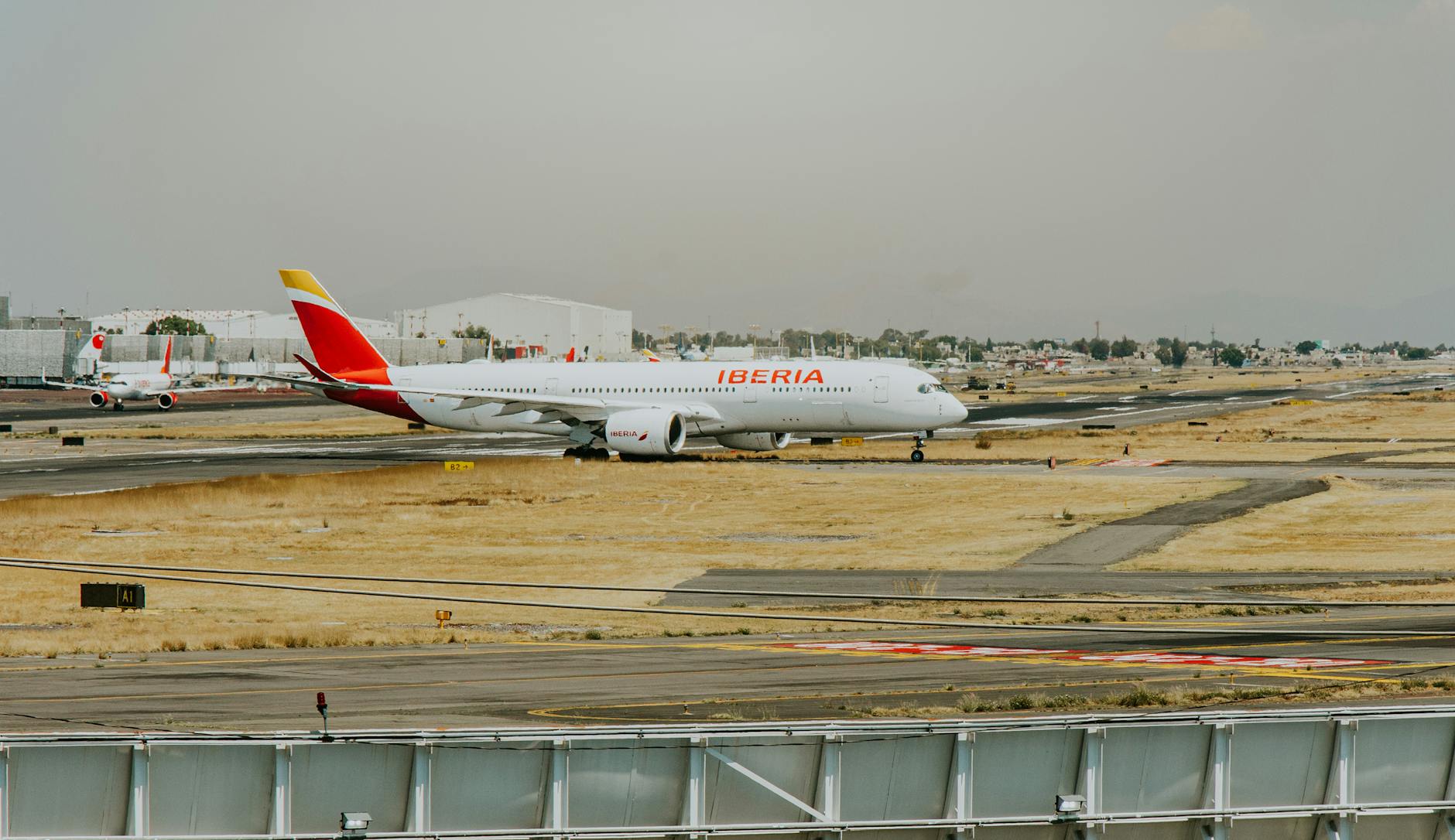
The Aeropuerto Internacional de la Ciudad de México (AICM) remains the busiest hub in the country. Despite a transition to management by the Secretaría de Marina in 2023, the terminal reported 18,828 million pesos in revenue. While it no longer handles dedicated cargo flights, it continues to serve as the primary gateway for the Mexican capital, maintaining its status as a critical connection point for Latin America.