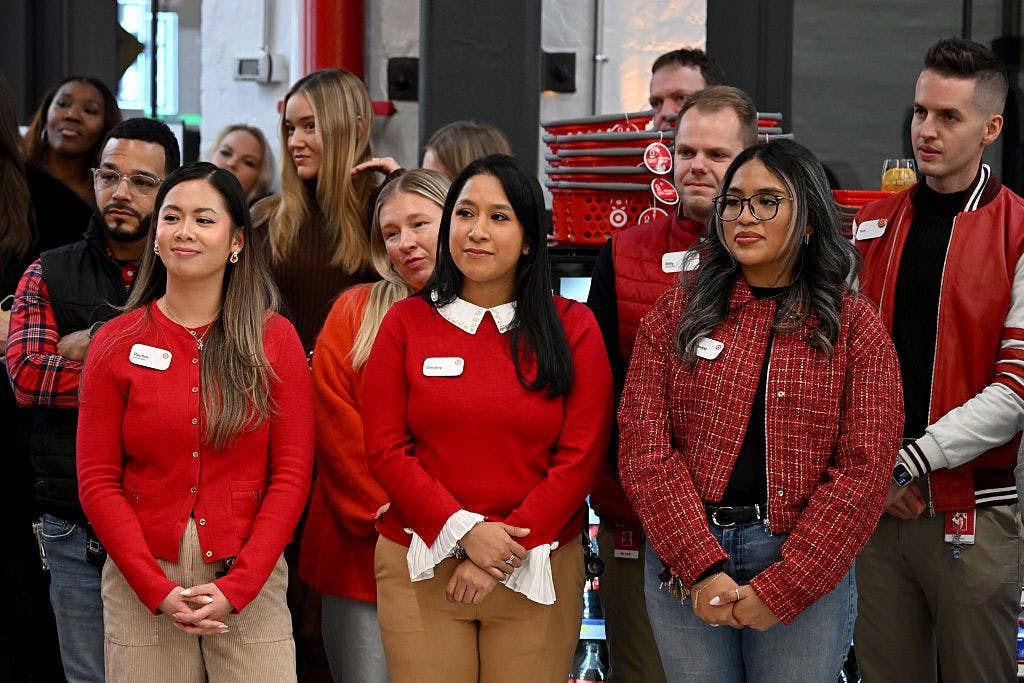
Target has officially announced changes to its employee uniform policy and discount structure, signaling a strategic pivot following poor apparel performance. The retail giant plans to restrict staff attire to plain red shirts and neutral bottoms while expanding internal discounts on private-label clothing. These moves come as the company seeks to revitalize brand identity after significant revenue drops in recent quarters across the North American market.
Uniform Policy Updates
According to a report from Bloomberg, the retailer intends to enforce stricter dress code standards starting this summer for all store locations. Previously, employees could wear graphic or patterned tees with various denim colors, but new rules limit options significantly to plain red shirts alongside blue denim or khakis. This standardization aims to create a more consistent visual experience for customers walking into any store location regardless of geography or management team.
Simultaneously, Axios revealed that Target will increase the existing employee apparel discount by an additional twenty percent on top of current rates. Workers currently receive a ten percent reduction on purchases, which will now apply specifically to in-house brands like Cat & Jack and Goodfellow & Co. This adjustment targets a workforce of over four hundred thousand people globally who serve as brand ambassadors daily within the retail environment.
Financial Performance Context
The financial context driving these decisions is stark, with total revenues falling for the fifth consecutive quarter last year as consumer behavior shifted. Traffic in physical locations has slumped for four straight quarters as shoppers increasingly prefer online channels or discount competitors over traditional department stores. These trends have pressured management to find new ways to stabilize sales figures across key categories like clothing and accessories without raising prices.
Apparel and accessories revenues specifically dropped to their lowest point since the pandemic last year, marking a significant downturn in this division for the retailer. For the full fiscal year 2025, sales across the division slipped five percent from the previous year’s figures after strong growth previously. This represents a decline of roughly two billion dollars from the apparel and accessories peak reached in 2021 when the company’s Lululemon-ish athleisure line became successful.
Despite these challenges, the retailer continues to expand partnerships with major fashion brands like Levi’s to bolster its offerings for customers globally. While focusing on private-label goods, Target clearly wants to convince customers that its own garments warrant a place in wardrobes again after years of stagnation. The strategy involves internal motivation first before targeting external consumer sentiment directly through marketing campaigns and improved store layouts designed to engage shoppers better.
Corporate Strategy Outlook
A spokesperson for the company stated that the dress code changes serve the aim of making the customer experience more recognizable across stores without confusion. This consistency is viewed as essential to rebuilding trust and loyalty among shoppers who previously favored other competitors like Walmart or Amazon during economic downturns. The internal discount boost reflects efforts to boost sales broadly after total revenues in Q4 fell for the fifth quarter in a row according to recent filings.
Industry analysts suggest that retail giants are increasingly relying on employee advocacy to navigate difficult economic landscapes without raising prices or cutting jobs aggressively. By incentivizing staff to buy their own products, companies hope to maintain momentum while controlling operational costs effectively during this period of inflationary pressure. What comes next will depend on whether these adjustments translate into broader consumer confidence and sustained revenue growth over time for the entire sector.