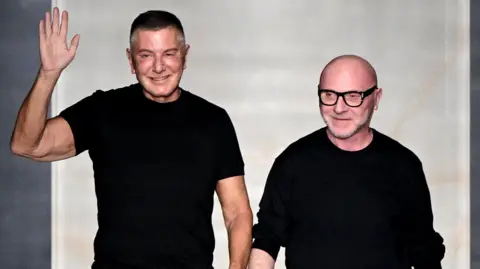
Dolce & Gabbana confirmed Monday that Stefano Cantino will join the company as co-chief executive officer, working alongside Alfonso Dolce. Alfonso Dolce will assume the role of president and CEO, filling the vacancy left by the departure of the brand’s co-founder, Stefano Gabbana.
This leadership transition follows the announcement last Friday that Gabbana is exiting the presidency. The move marks a significant shift for the fashion house, which has remained under the direct control of its founders since its inception in 1985.
A pivot to lifestyle branding
The company is currently working to evolve its business model from a traditional fashion house into a broader lifestyle company. According to a statement provided to the Italian news agency Ansa, the firm views this management restructuring as a "natural process of organizational evolution."
Cantino enters the role with extensive experience in the luxury sector. He previously served as an executive at Gucci, joining that firm in May 2024 following a five-year stint at Louis Vuitton. Before those roles, he spent two decades at Prada, where he eventually served as director of communications and marketing.
Financial pressure remains a primary driver for these changes. The luxury sector has struggled with a prolonged downturn, exacerbated by global instability and geopolitical uncertainty in the Middle East. These market conditions have negatively impacted the brand’s bottom line and made it difficult for the company to meet existing debt obligations.
Dolce & Gabbana currently faces a debt burden of approximately 450 million euros. The company is actively negotiating a restructuring of these liabilities to ensure long-term stability.
Both Stefano Gabbana and Domenico Dolce currently hold equal 40% stakes in the group. With the change in leadership, reports indicate that Gabbana is weighing the future of his ownership stake. The brand reported revenues of 1.9 billion euros for the 2024-2025 period, but the weight of its debt and the shifting landscape of the luxury market have forced a strategic pivot.