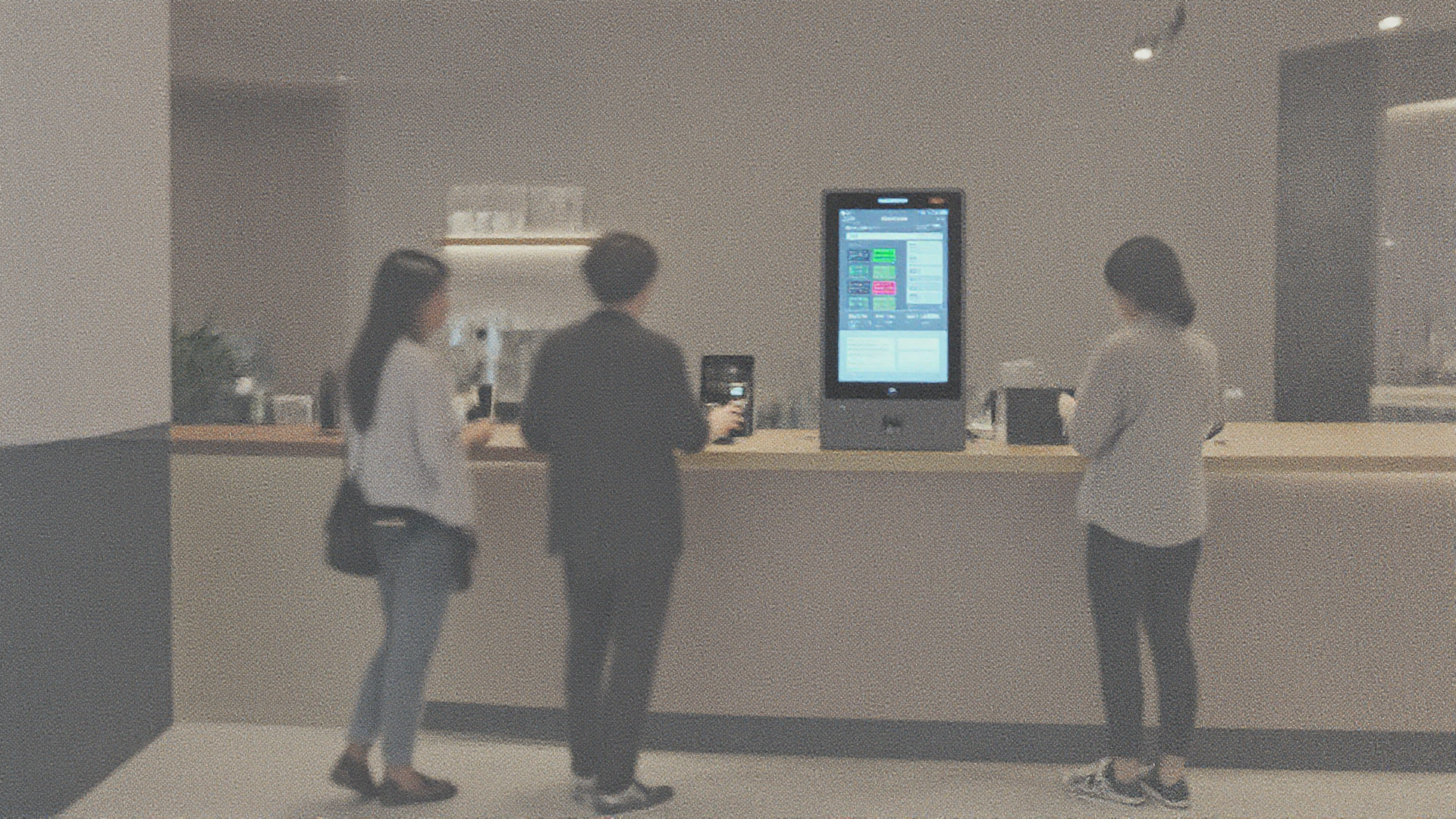
Starbucks is aggressively integrating artificial intelligence and automation into its US operations, including AI-powered drive-thru order taking and virtual barista assistants, as part of a major investment strategy to reverse several years of stagnant sales. This technological overhaul aims to streamline operations, address inventory gaps that frustrate consumers, and support Chief Executive Officer Brian Niccol’s turnaround plan in the firm’s most crucial market.
Last week, the coffee giant announced its first sales growth in two years across established US stores, which account for approximately 70% of its total revenue, according to reports. Despite this positive top-line momentum, the company’s share price declined 5%, reflecting investor apprehension over the substantial capital outlay required to implement these changes, which includes a $500 million boost to staffing levels.
CEO Niccol expressed confidence that sustained sales growth would eventually stabilize profit margins, noting the company is targeting $2 billion in cost savings over the next three years. Investments in technology are deemed critical to ensuring that improved customer throughput translates effectively into enhanced profitability metrics, as reported by the BBC.
Niccol, who joined in 2024, inherited a business facing pricing resistance, increased competition, and boycott pressures related to labor disputes and geopolitical stances. His initial response involved halting price hikes, simplifying the menu, and setting strict four-minute order completion targets for baristas.
The company is balancing technological deployment with a renewed emphasis on the in-store experience, urging staff to return to handwriting names on cups and investing in store refurbishments. This strategy seeks to counteract the perception that the chain had become overly focused on efficiency at the expense of customer connection, according to Niccol’s assessment.
Deploying AI to reduce friction in service delivery, such as using chatbots to match drinks to customer moods and enabling order scheduling, is seen as complementary to the hospitality focus. The firm is testing drive-thru systems designed to free up human staff to concentrate on direct customer interaction and beverage preparation, as detailed during a recent investor day.
Looking ahead, Starbucks plans significant overseas expansion, aiming to nearly double its global footprint to approximately 40,000 stores. While Niccol indicated that price increases remain a last resort, the company is banking on moderating commodity inflation, including easing coffee prices, to aid margin recovery.
However, ongoing labour tensions persist, with union organizers accusing management of stalling contract negotiations despite the firm’s substantial investments in corporate compensation packages. Niccol stated a desire for a "viable, sustainable deal" but provided no timeline for resolution, according to statements made to analysts.