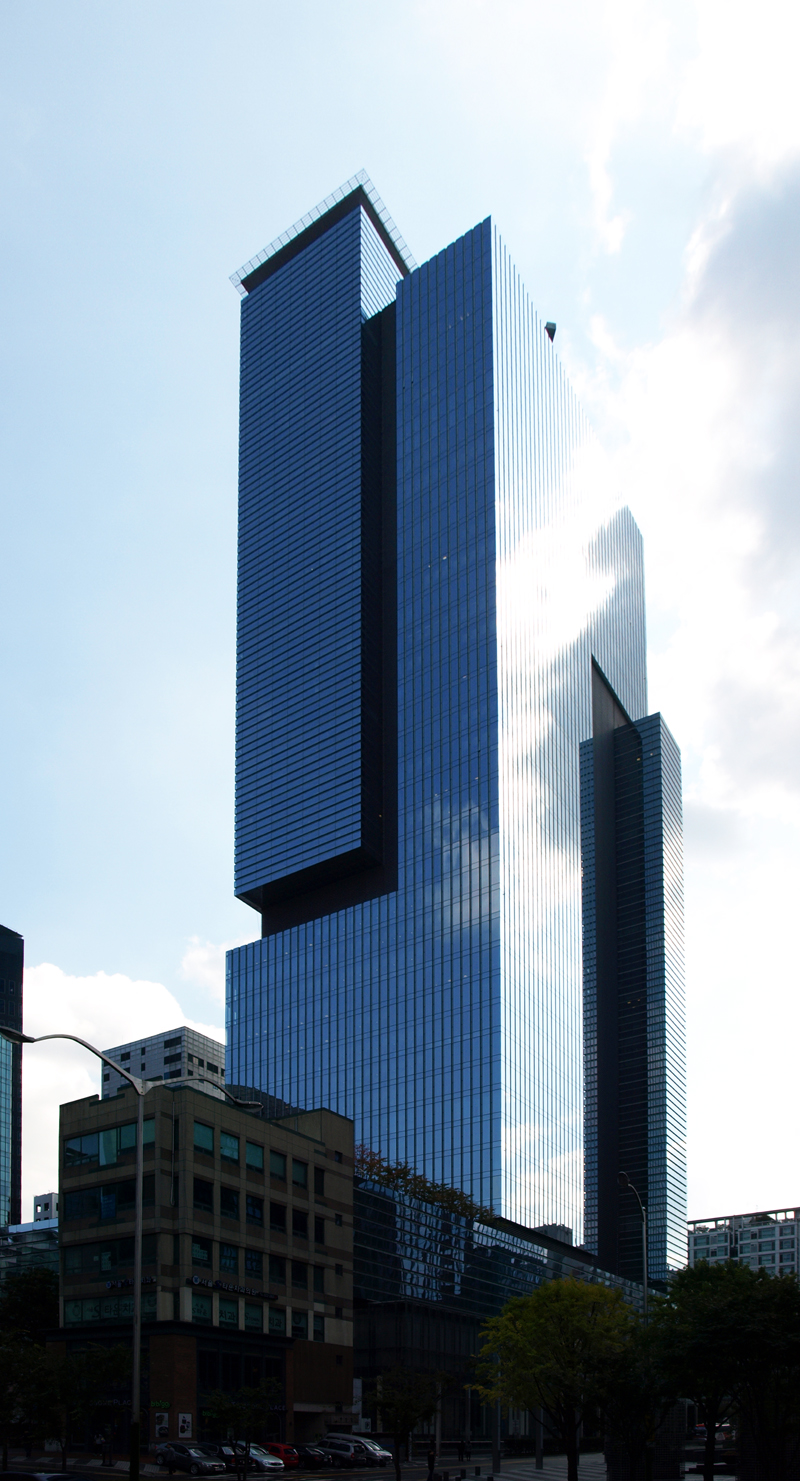
Samsung Electronics recently released its earnings guidance, signaling a significant recovery in profitability. The company projects an operating profit of approximately 6.6 trillion won (about $4.9 billion) for the current quarter, representing an increase of over 800% year-on-year.
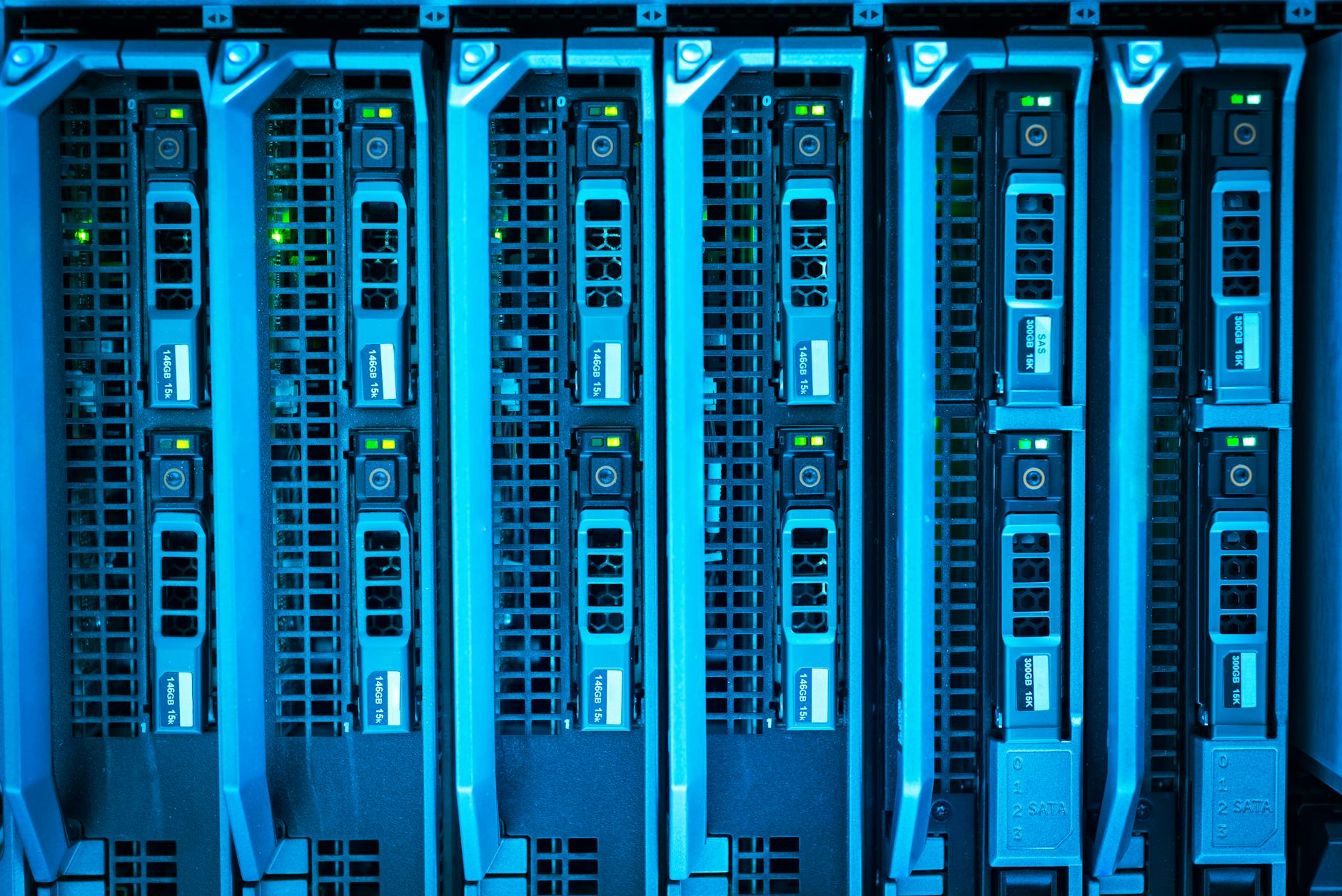
This surge is primarily attributed to a supply-demand imbalance in the global memory chip market. With the explosive demand for High Bandwidth Memory (HBM), Samsung has gained significant pricing power. The memory chip industry had previously endured a prolonged slump due to excess inventory and sluggish demand, which led to massive losses for Samsung and other suppliers last year.
Memory Chip Market Recovery
Analysts point to the expansion of the artificial intelligence industry as the core driver behind rising memory chip prices. Large-scale procurement of high-performance computing equipment by data centers has left Samsung’s high-end DRAM products in short supply. Compared to the dismal performance seen this time last year, the market environment has undergone a fundamental shift.
In its earnings guidance, Samsung noted that improved profitability in its memory business is the primary engine behind the overall recovery. While the global consumer electronics market remains under pressure, growth in enterprise storage orders has effectively offset these headwinds.
As industry inventory levels gradually return to normal, Samsung expects profit margins to remain steady in the coming quarters. Industry experts generally agree that the memory chip sector has emerged from its most difficult cycle and has entered a new phase of profit growth driven by AI technology.