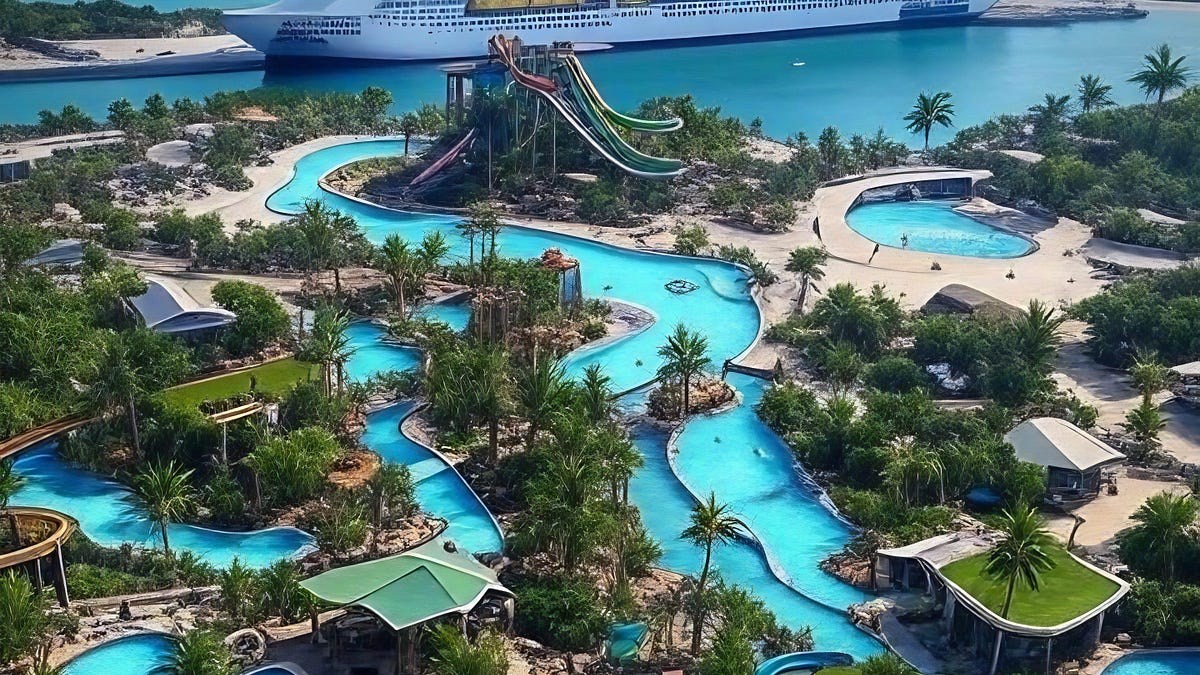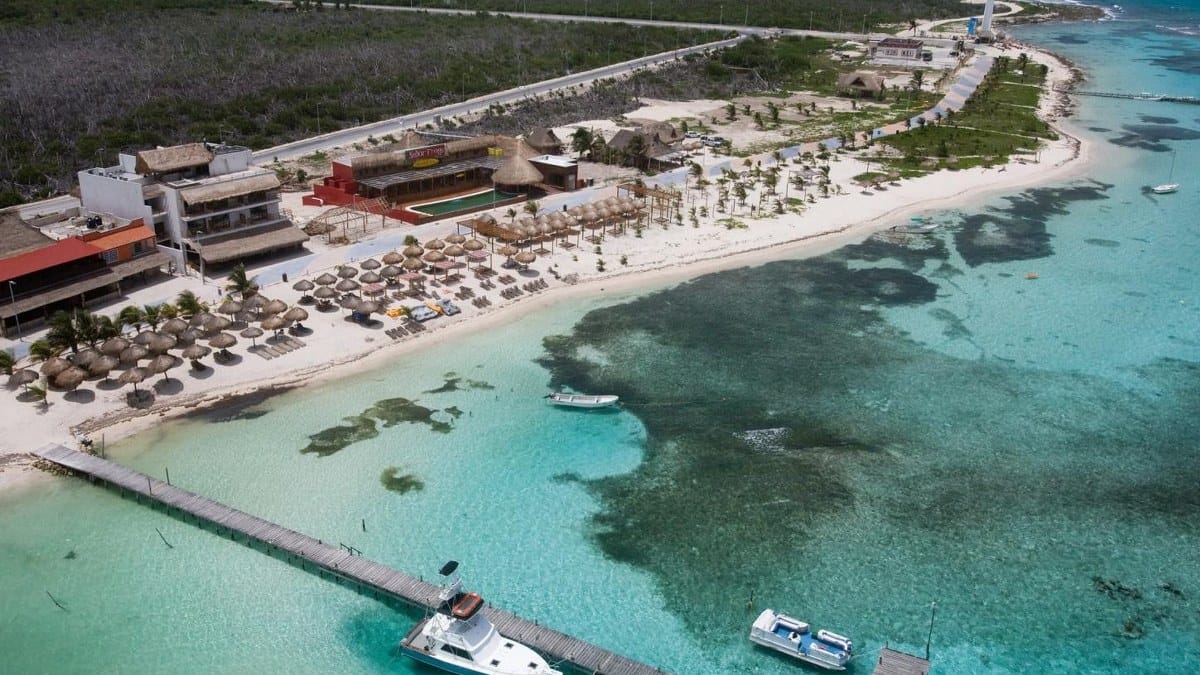
Royal Caribbean International faces growing scrutiny over its planned "Perfect Day Mexico" resort in Mahahual, Quintana Roo. Local organizations and over 300,000 citizens have signed petitions demanding the project's cancellation due to alleged environmental and social risks. The initiative represents a major shift in the economic model for this Caribbean coastal town. Officials are now under pressure to justify the environmental impact assessments. The project has drawn attention from national and international observers.
The civil group Salvemos Mahahual contends that the company failed to conduct a genuine consultation process with the local population. Reports indicate only 35 individuals were contacted for input against a community of thousands, according to the collective. Critics describe these interactions as manipulative rather than transparent, citing evasive responses from corporate representatives. Community leaders argue that true consent requires full disclosure of project details.
Economic concerns center on the potential exclusion of local small businesses from the project's revenue streams. The resort design reportedly encourages tourists to spend money exclusively within the complex, bypassing local merchants and fishermen. This pattern mirrors previous tourism developments in the Yucatan Peninsula that prioritized foreign capital over local sustenance. Residents fear their traditional livelihoods will vanish amidst the new infrastructure.
Environmental projections suggest the daily arrival of up to 20,000 tourists could generate significant waste and sewage output. Data from the collective estimates the facility might produce two point five million liters of wastewater and 70 tons of garbage each day. Such volumes raise alarms regarding aquifer contamination, mangrove destruction, and damage to nearby coral reefs. Regulatory bodies have yet to confirm if current infrastructure can handle this load.
Environmental advocates point to existing issues in Tulum and Cozumel as warning signs for future management failures. Cozumel currently hosts operations by the same cruise line, where water management challenges have already emerged. Local observers note that past promises of ecological care have not prevented degradation in other Mexican destinations. These precedents suggest similar outcomes without stricter oversight mechanisms.
A significant conflict of interest has been identified regarding Ari AdlerBrotman, who previously led the state development agency. According to Informacion Caribe, AdlerBrotman now serves as director of Royal Caribbean Mexico and supports the project. This transition recalls historical allegations of corruption involving public officials and private corporations in Mexico. Analysts warn that such roles may compromise regulatory independence.
The situation underscores a broader debate about sustainable tourism models across the Mexican Caribbean. Critics argue that current policies favor large investments over the protection of natural resources and community welfare. Government officials are expected to address these concerns before construction proceeds in the region. Legislative changes could alter how foreign investments are approved in sensitive zones.
Legal challenges and public pressure may delay the approval process for the megaproject. Activists plan to continue monitoring the situation for further violations of environmental regulations. Stakeholders will watch closely to see if authorities prioritize ecological integrity over economic growth. Court filings could test the legal boundaries of consultation requirements.
The outcome could set a precedent for how Mexico handles future tourism infrastructure in sensitive ecological zones. Failure to address these grievances might deepen social fractures between developers and coastal populations. The region remains a critical asset for the national economy and biodiversity. This case highlights the tension between rapid development and long-term sustainability.