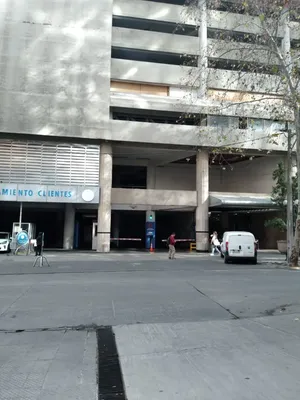
The Metropolitan Region has nearly 2,200 public parking facilities spread across 48 of its 52 districts, yet the supply shows significant geographic inequality. According to a study by real estate consultancy GPS Property, half of these facilities are concentrated in just eight districts, primarily located in the capital's eastern sector and corporate corridor.
Santiago leads the list with 211 locations, accounting for nearly 10% of the regional total. It is followed by Ñuñoa with 184 spaces and Las Condes with 177. The group of eight districts with the highest concentration of parking is rounded out by Puente Alto, La Florida, Providencia, Vitacura, and Maipú.
In contrast, availability is minimal in areas such as Curacaví, San José de Maipo, and Tiltil. The study even found that districts like El Monte, Alhué, San Pedro, and Tiltil have no paid parking facilities at all.
Technological Modernization as a Cost Factor
The rise in rates is largely driven by operators' need to modernize their facilities. Sebastián Ortega, assistant manager of consulting and research at GPS Property, explains that modern parking facilities now function as technological platforms that require constant investment in automation.
“The most competitive facilities are ticketless, allow payment via TAG or linked credit cards, and integrate electric vehicle chargers,” Ortega notes. According to the expert, the old model of manual cashiers and paper tickets is no longer sufficient to manage modern traffic flow.
This technological transformation has directly impacted consumer prices. Providencia leads in average cost at $54 per minute, followed by Vitacura at $51 and Las Condes at $48. At the other end of the spectrum, La Florida, Maipú, and Puente Alto record the lowest prices, averaging $26 per minute.
The market is dominated by firms such as the Spanish company SABA, which holds long-term concessions at key locations like Santiago Airport. Other companies, such as Central Parking and Republic Parking, have solidified their presence in shopping malls, clinics, and corporate buildings through fixed-lease or institutional management models. Meanwhile, operators like Green Parking have chosen to specialize in LEED-certified buildings to differentiate themselves in an increasingly demanding market.