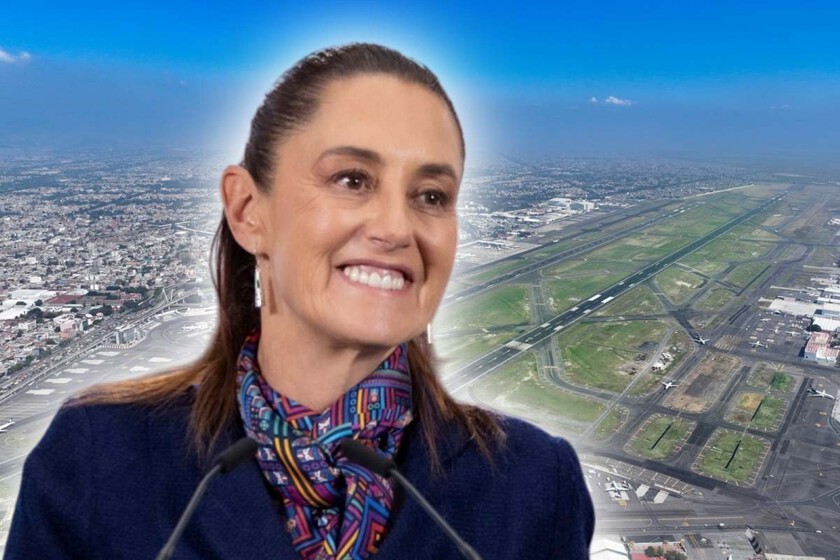
Mexican President Claudia Sheinbaum acknowledged that taxi fares at Mexico City International Airport are excessively high during a press conference on March 17. Speaking at Palacio Nacional, she indicated that the current tariff structure requires immediate review by transport authorities. The admission comes as visitors prepare for the 2026 FIFA World Cup.
Reports indicate that certain routes exceed 1,000 pesos, while long-distance trips can reach 2,000 pesos. Passengers often perceive these charges as excessive immediately upon leaving the terminal. High costs have sparked renewed debate regarding transportation economics within the capital.
Sheinbaum explained that authorized airport taxis hold federal plates and pay a right to operate within the terminal. This payment grants them advantages that ride-hailing services do not possess in the same space. Consequently, passengers do not encounter the same level of competition found elsewhere.
Ride-hailing applications do not operate with the same flexibility in the airport exit zone. This limitation leaves many travelers facing higher tariffs than anticipated for their journey. Users are forced to accept available services without negotiation power in the terminal.
The president clarified that the fee paid to the airport authority does not solely explain the elevated price levels. She noted that the quota should not necessarily translate into such steep costs for arriving passengers. Instead, the zone-based payment scheme drives unpredictable price jumps for users.
The discussion intensifies less than 100 days before the World Cup begins. AICM serves as a primary arrival point for both domestic and international visitors. Transportation costs from the airport have ceased to be an isolated annoyance. The timing suggests the administration prioritizes visitor experience ahead of the event.
Complaints regarding high fares are not limited to Mexico City alone. Sheinbaum referenced similar situations in Cancun and other major tourist destinations. This suggests the issue extends beyond AICM to a broader airport system in need of reform. The pattern indicates a systemic challenge across the national tourism infrastructure.
Users seeking alternatives must travel further away from the terminal to access ride-hailing apps. This option is often inconvenient for travelers carrying luggage after a long flight. The core issue involves both cost and the limited availability of services where needed.
The Ministry of Infrastructure, Communications and Transport must review the model with airport operators. This review is expected to address the zone-based pricing structure directly. Authorities are tasked with finding a solution that balances operator rights with public interest.
Stakeholders will watch closely to see if regulatory changes materialize before the tournament. The outcome could set a precedent for transportation pricing in other Mexican tourist hubs. Future stability relies on resolving these logistical and economic friction points. The success of the World Cup may depend on resolving these concerns quickly.