US equities advanced significantly on Friday as crude oil prices retreated sharply across major exchanges in New York and Chicago. Front-month West Texas Intermediate futures dropped more than four% during morning trading hours on the commodity floor. Market participants reacted quickly to reports indicating improved shipping security through the critical Strait of Hormuz. Analysts suggest these movements reflect relief over potential supply chain interruptions in the volatile Middle East region. This shift in sentiment is driving capital toward risk assets while lowering energy cost expectations for corporations and consumers alike.
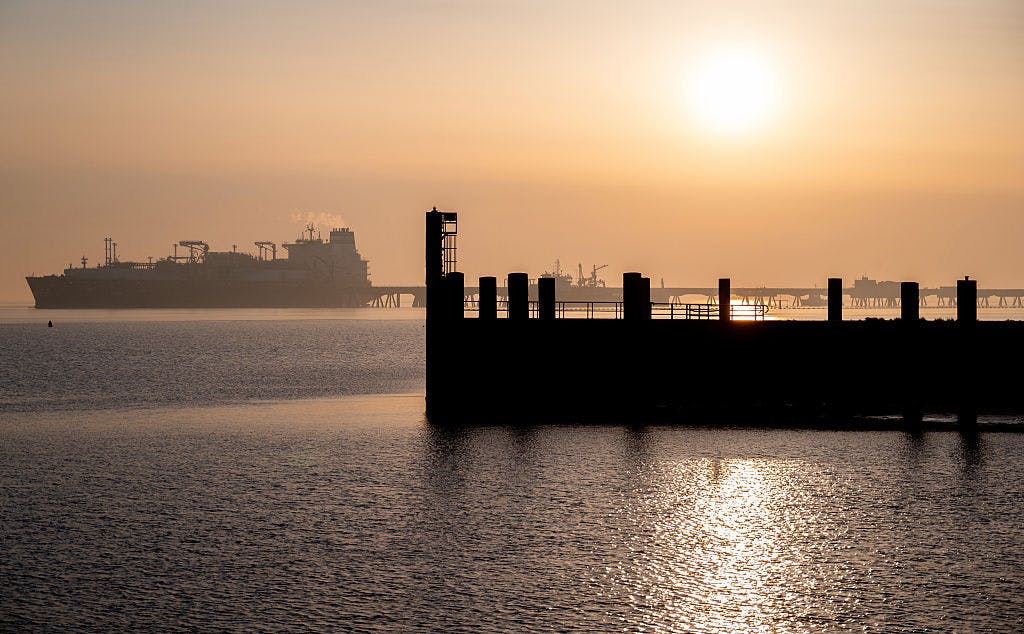
Brent crude futures also declined by more than two% by 1:25 p.m. Eastern time on the global commodity markets. Traders are interpreting recent maritime data as a positive signal for future global supply chains and logistics networks. An Aframax tanker named Karachi successfully navigated the strategic waterway without incident or interception. This development marks a notable shift in operational security for regional energy exports heading west. Such movements are crucial for maintaining global energy liquidity during periods of heightened geopolitical tension and uncertainty.
According to Reuters, the vessel broadcast its Automatic Identification System signal while passing through the narrow channel. This action represents the first non-Iranian cargo transit with active tracking since the conflict escalated last month. It suggests select shipments are receiving safe passage assurances from regional actors or third-party negotiators. Such transparency is vital for restoring confidence in international shipping routes and reducing insurance premiums for shippers. Maritime security protocols are under intense scrutiny as nations seek to protect their economic interests.
US President Donald Trump addressed the situation in a recent public statement regarding maritime safety and trade routes. He indicated that nearby nations would soon assist vessels traversing the congested and sensitive strait. The President also noted that other countries remain hesitant to participate in these security arrangements. His comments highlight the diplomatic complexities involved in securing vital energy corridors for the global economy. Government officials continue to assess the feasibility of expanding these escort programs to other vessels.
Major indices reflected the optimism regarding energy logistics and reduced inflationary risks for the broader economy. The SPDR S&P 500 ETF and Invesco QQQ Trust both advanced by over one% during the session. Equity markets generally favor lower energy costs which reduce overall business operating expenses significantly. This correlation between oil prices and stock performance remains a primary driver for Wall Street investment decisions. Corporate earnings guidance will likely adjust downward on input costs if the trend persists.
Despite market gains, underlying supply constraints persist in the broader region due to ongoing tensions and hostilities. Reuters reports that United Arab Emirates crude output has been cut in half since the Mideast conflict started. Bloomberg adds that Kuwait’s production has suffered a similar significant decline during this volatile period. These production cuts offset some of the price relief provided by the tanker movement through the strait. Supply side risks remain elevated despite the recent positive shipping news and diplomatic efforts.
The contrast between lower prices and reduced output creates a complex economic picture for global traders and investors. Supply disruptions often outweigh demand factors in volatile geopolitical environments affecting energy markets worldwide. Analysts warn that price stability depends on consistent shipping lane security throughout the remainder of the year. Without guaranteed safety, price premiums may return despite temporary drops in futures contracts. Market volatility is expected to remain high until a formal resolution is reached.
Future market movements will hinge on whether additional tankers maintain full transparency on their routes and schedules. Continued monitoring of maritime traffic remains essential for global energy planning and long-term stability. Investors will watch for further developments in diplomatic negotiations regarding the strategic chokepoint. Long-term price recovery depends on resolving regional security concerns effectively and sustainably. The situation requires close attention from policymakers and market observers alike.