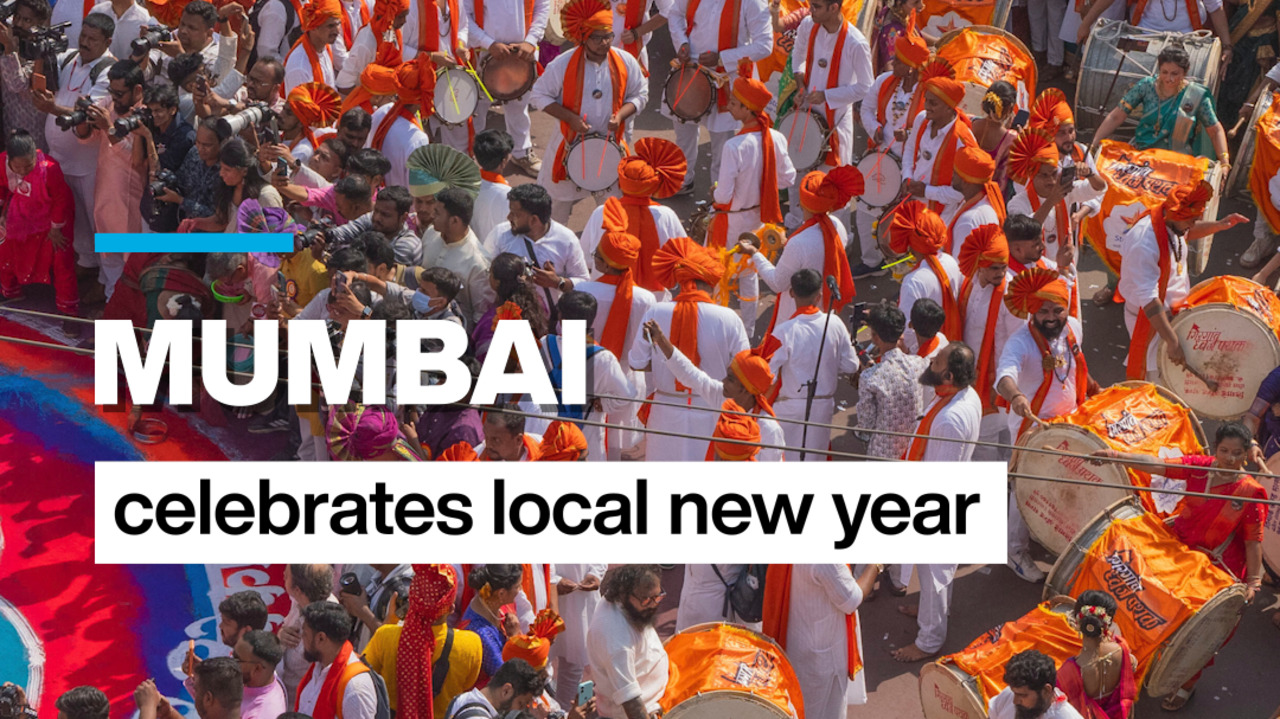
Mumbai, India, March 19, 2026. The city resonated with traditional drumbeats as residents observed Gudi Padwa. This event marks the commencement of the new year within Marathi culture. The celebration signals the arrival of spring and aligns with the agricultural calendar in the region. Authorities noted a high turnout of citizens participating in the public festivities throughout the day.
According to a report by France24, the festivities involved raising a Gudi flag outside homes. This flag represents the banner of Lord Brahma, the creator of the universe in Hindu mythology. The term Padwa denotes the first day of the lunar phase in the traditional calendar system. Religious leaders emphasized the spiritual significance of welcoming the new season with devotion.
Cultural observances in India often correlate with significant shifts in consumer spending patterns. Retail sectors in Maharashtra typically experience a surge in activity during major regional holidays. Merchants report increased sales of traditional attire and festive goods during this period. Local businesses rely on this seasonal boost to maintain cash flow for the remainder of the fiscal year.
Tourism operators in the city also anticipate a rise in domestic visitors seeking cultural experiences. Hotels and transport services in Mumbai prepare for the influx of travelers arriving for the holiday. This movement contributes to the broader service economy within the metropolitan area. Data suggests that hospitality revenue increases by approximately 15% during such peak cultural windows.
Seasonal festivals serve as economic barometers for the Indian subcontinent. Analysts note that consumption spikes during spring and autumn holidays boost quarterly revenue for local businesses. These cycles help stabilize income for small and medium enterprises across the state. Economic stability in rural areas often depends on the success of these harvest-related celebrations. Agricultural output directly influences the purchasing power of rural consumers.
Comparisons with other major Indian holidays like Diwali show consistent spending behavior. However, regional festivals like Gudi Padwa highlight the diversity of the national economy. They demonstrate that economic activity is not uniform across all cultural groups. Understanding these nuances is critical for multinational corporations targeting the Indian market.
France24 noted that the atmosphere in Mumbai was vibrant with traditional music and dance. Local vendors set up stalls to sell sweets and decorative items to the public. The event underscores the importance of heritage in driving local commerce. Street markets remained busy well into the evening as families gathered to exchange gifts.
Looking ahead, economic planners monitor these cultural events for consumption indicators. The sustained participation in such traditions suggests resilience in the informal economy. Observers will track how these spending habits influence broader market trends in the coming quarter. Future reports will analyze the long-term impact of cultural preservation on regional economic growth. Market analysts will publish detailed summaries following the holiday period.
Global investors watch Indian festivals for signals regarding domestic demand. A strong holiday season often correlates with positive GDP growth figures for the year. This specific event in Mumbai provides a microcosm of the larger economic narrative. Stakeholders will continue to monitor similar celebrations across other major cities in the country.