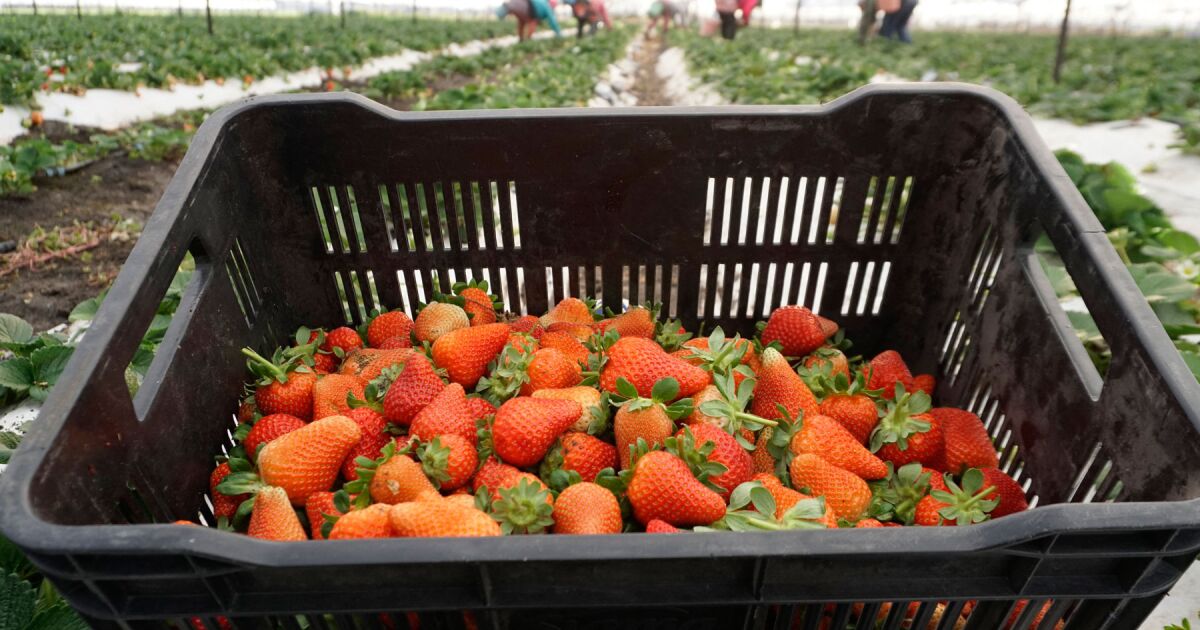
Mexico faces a new trade barrier as the United States launches an anti-dumping investigation against its strawberry exports. The Department of Commerce initiated the process early this year following a formal complaint from domestic growers. Officials warn this move could mirror the impact of previous tariffs on Mexican tomatoes.
The investigation stems from allegations that Mexican exporters sell below fair market value during the winter season. Commerce officials established a preliminary dumping margin of 18.32% based on initial data reviews. A final resolution on this specific figure remains expected toward the end of June.
Mexico supplies nine of every 10 fresh strawberries sold in the United States to meet consumer demand. Annual exports to the American market reach approximately 1,000 million dollars according to government records. Between November 2024 and March 2025 alone, imports totaled more than 200 million kilograms.
Agricultural products increasingly face protectionist measures in the United States during this period. More than 800 anti-dumping orders currently remain active across various industries nationwide. Last year, Washington applied a 17% anti-dumping quota to fresh tomatoes from Mexico.
Julio Berdegué, the Secretary of Agriculture and Rural Development, stated there is no evidence supporting a violation of trade rules. He emphasized that decisions must rely on scientific criteria rather than political pressure alone. Berdegué made these remarks during consultations organized by the Ministry of Economy.
The review of the T-MEC agreement highlights deepening tensions in North American integration efforts. Mexico warns against subsidy increases in the United States that recently reached 12,000 million dollars. Disputes over sanitary protocols also contribute to the friction between the nations.
Officials plan to reduce vulnerabilities by investing in infrastructure and higher-value processes. The government aims to expand export participation from southern regions to diversify production. Labor conditions in agriculture will also improve to align with treaty standards.
The upcoming preliminary resolution will signal the tone for future agricultural trade negotiations. Mexico intends to approach the review with a constructive posture despite the challenges. Stakeholders will watch closely for regulatory adjustments affecting supply chains.