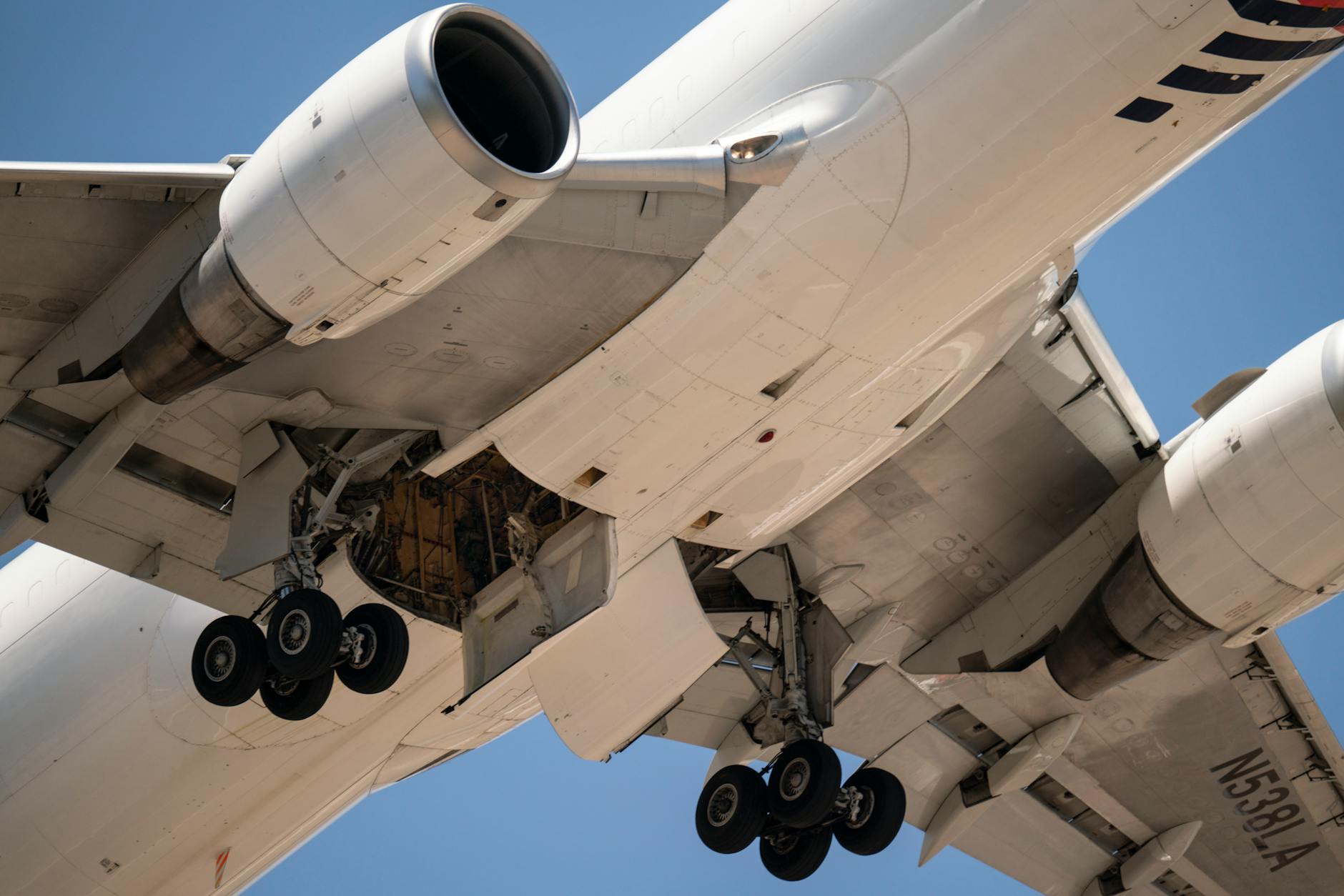
The Mexican government and the U.S. Department of Transportation (DOT) have reached preliminary agreements to resolve a bilateral aviation dispute that has hindered connectivity between the two nations. The pact requires Mexico to conduct a technical capacity study at Mexico City International Airport (AICM) and ensure equitable slot access for U.S. airlines.
The negotiations aim to reverse sanctions imposed during the Trump administration. Following a unilateral reduction in AICM operations—from 61 to 43 flights per hour—and the shift of cargo operations to AIFA, the U.S. revoked expansion permits for Mexican airlines. This move led to the cancellation of 13 commercial routes to the United States and stalled the launch of new flight services.
According to El Financiero, Mexico has committed to modernizing AICM management by aligning its scheduling policies with international standards. Fabricio Cojuc, an independent aviation analyst, noted that while this is a significant step forward, he warned that the lifting of sanctions may not be finalized until next April, depending on DOT oversight during the winter season.
AIFA Integration and Operational Challenges
The agreement also includes the recognition of Felipe Ángeles International Airport (AIFL) as an integral part of the Mexico City airport system. As reported by El Financiero, this move seeks to reduce regulatory tensions and increase certainty for the aviation industry, though specialists warn that the true challenge lies in operational execution.
Integrating AIFA into bilateral documents does not automatically guarantee its viability for passenger and cargo traffic. For airlines such as Aeroméxico, Volaris, Vivaaerobus, and Mexicana to regain their capacity to increase flight frequencies, AICM and airports in the metropolitan area must adhere to IATA rules regarding slot usage.
USMCA Trade Uncertainty on the Horizon
This sectoral rapprochement occurs amid broader trade tensions surrounding the upcoming USMCA review, scheduled for July 1. U.S. Trade Representative Jamieson Greer warned that talks could extend beyond the deadline, raising the possibility of annual reviews rather than the 16-year extension sought by Mexico.
Secretary of Economy Marcelo Ebrard has adopted a pragmatic stance toward this scenario. As reported by El Financiero, Ebrard stated that there is no need to cling to nostalgia for a tariff-free system, but rather to prepare for one governed by rules of origin and levies.
Meanwhile, Expansión reported that although Mexican exports grew by an annualized 17.9% through March—driven by the manufacturing and electrical sectors—the Mexican economy faces stagnant growth that is no longer being offset by U.S. dynamism. While the U.S. economy projects expansion driven by investment in artificial intelligence, the trade relationship between the two nations is undergoing a period of divergence and reconfiguration.