The Mexican stock market closed lower on Monday, dragged down by fresh data signaling an economic slowdown. Analysts at Monex reported that the decline in the local index coincided with the release of gross fixed investment figures for January, which showed a 1.1% monthly contraction. This dip breaks a three-month streak of growth and reinforces concerns regarding the country’s economic trajectory.
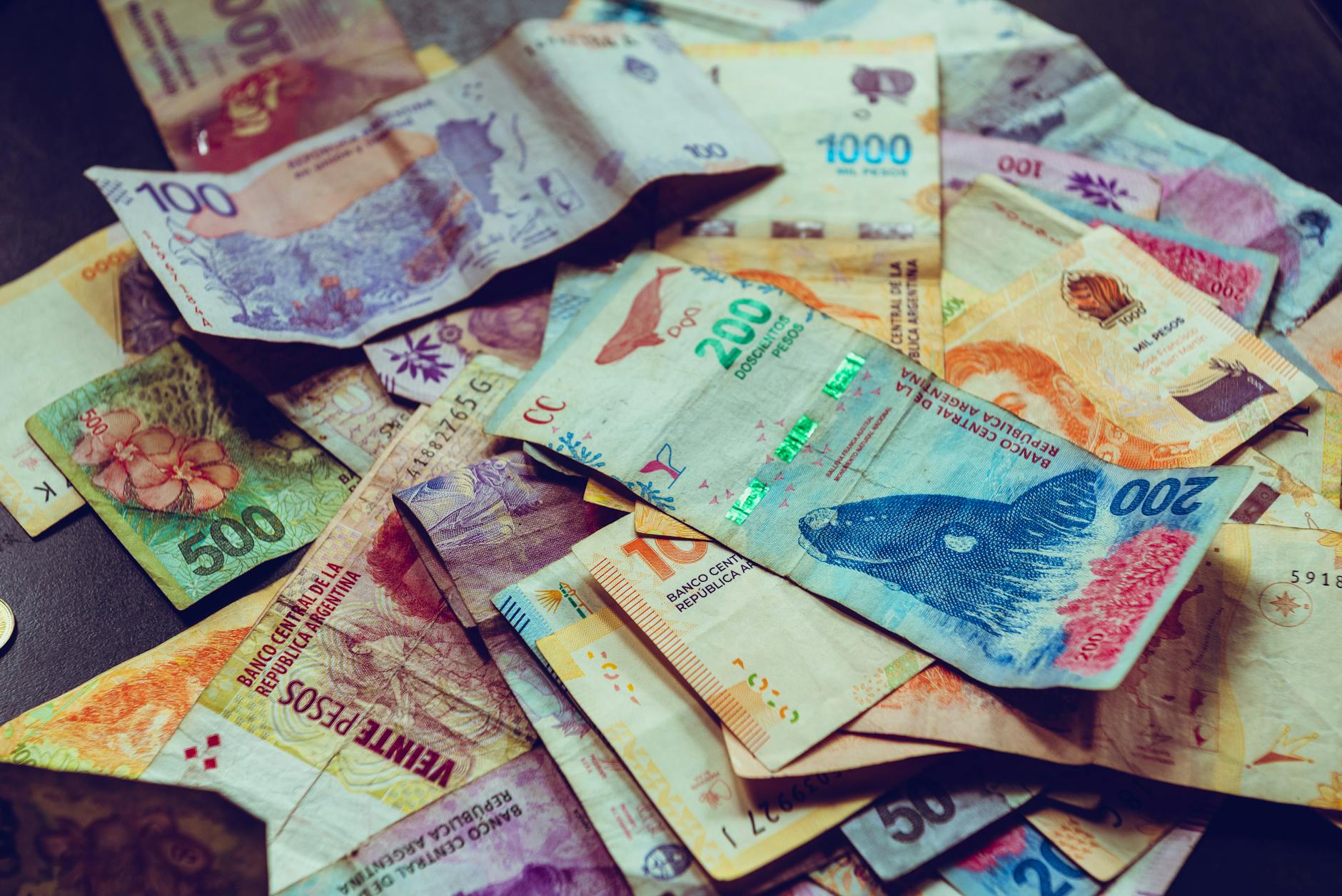
Despite the domestic market downturn, the Mexican peso managed to gain ground against the U.S. dollar. According to the Bank of Mexico, the currency closed at 17.76 pesos per dollar, representing a 0.36% increase from the previous session. During the day, the peso fluctuated between 17.74 and 17.91 per dollar, bolstered by a marginal decline in the dollar index and a slight reduction in global risk aversion.
Energy markets volatile as tensions rise
Global energy markets faced significant pressure as oil prices climbed, driven by escalating tensions between the United States and Iran. West Texas Intermediate (WTI) rose 0.78% to trade near 112 dollars per barrel, while Brent crude surpassed the 109-dollar mark. The Mexican oil mix also saw an uptick, closing at 107.02 dollars per barrel.
Market anxiety stems from threats regarding the Strait of Hormuz, a critical maritime passage for nearly 20% of the world's oil supply. Reports from AFP indicate that U.S. leadership has warned of potential military action if the strait remains blocked. These geopolitical risks kept volatility high, even as major U.S. stock indices managed to finish the day in positive territory.
While U.S. markets showed resilience, the global financial landscape remains caught between hopes for a ceasefire in the Middle East and the threat of further conflict. Monex analysts anticipate that the peso will likely trade between 17.70 and 17.86 per dollar in overnight operations, with future performance dependent on further geopolitical updates.