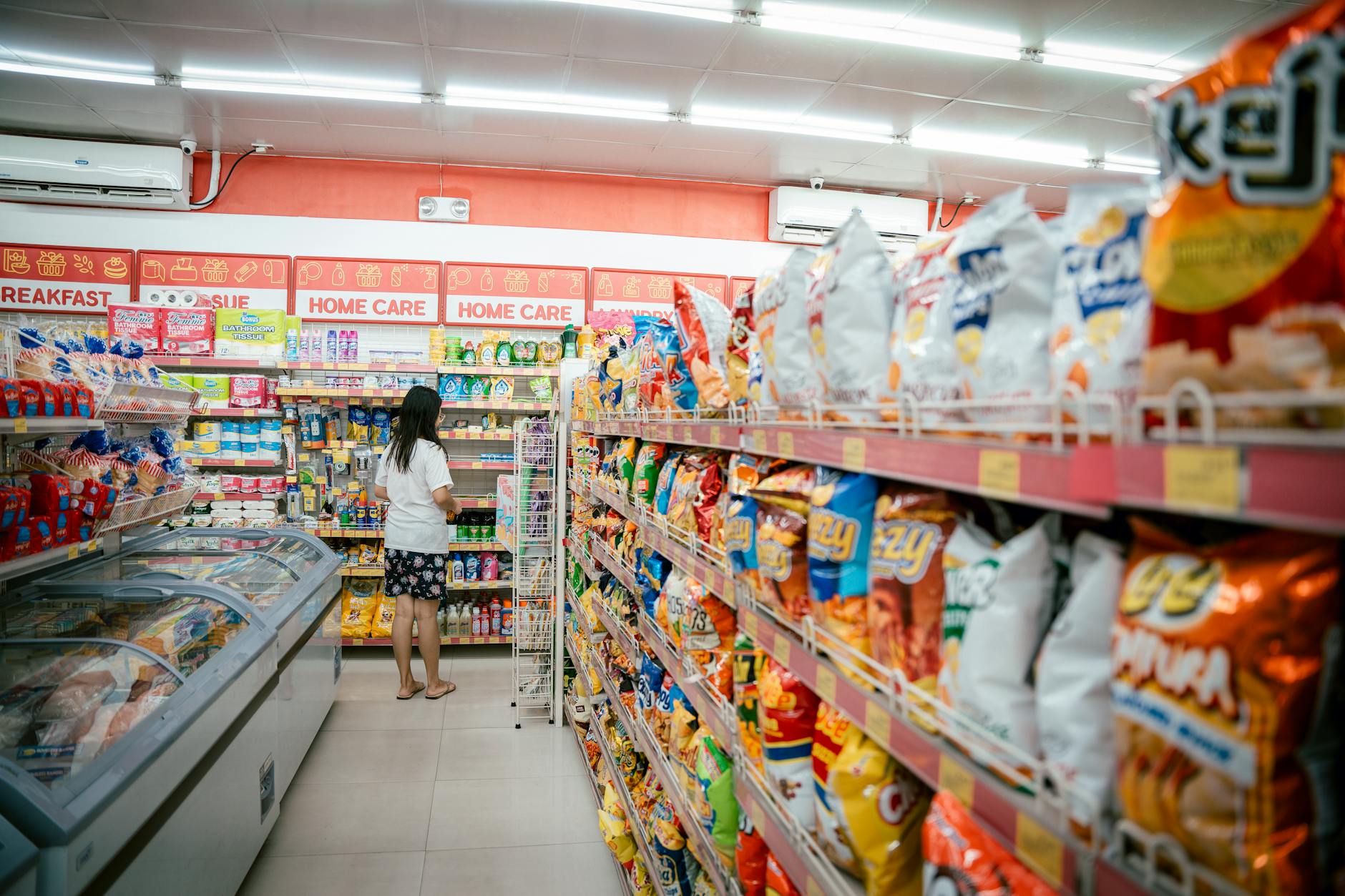
Mexico’s personal care and home care industry is navigating inflationary pressures by relying on the consistent demand for daily hygiene products. Data from the National Chamber of the Perfumery and Cosmetics Industry (Canipec) shows the sector reached a total value of $470 billion last year.
Of that total, $315 billion came from personal care products, while home care accounted for $155 billion. Industry leaders report that while price hikes have forced consumers to change their shopping habits, total consumption volume remains stable.
"The industry is resilient because it covers daily needs," said a Canipec spokesperson. "What changes is not so much the consumption, but the choice of brand or type of product."
Trade stability and the T-MEC
Beyond domestic retail trends, the industry is closely monitoring international trade agreements. Carlos Berzunza, executive president of Canipec, emphasized that the sector is heavily integrated within the North American market under the T-MEC trade agreement.
To safeguard these supply chains, Canipec has intensified coordination with the Personal Care Products Council in the United States and Cosmetics Alliance Canada. This collaboration aims to protect shared value chains and ensure the continued flow of goods across borders.
Trade data highlights the importance of this integration. The personal care sector currently exports roughly $300 million while importing $2.9 billion, maintaining a surplus of approximately $260 million. When combined with home care statistics, the industry’s total trade surplus reaches nearly $800 million.
Berzunza warned that any disruption to these established supply chains would carry immediate costs for the end user. He noted that the primary victims of trade friction are consumers, who would face limited product availability and higher prices.
"In a trade war, nobody wins," Berzunza said. "The biggest impact ends up on the consumer, with less competitive products and inflationary pressures."
As long as inflation remains near current levels, industry analysts expect this trend of brand-switching to continue. Companies are betting that the essential nature of their products will insulate them from the broader economic downturns affecting luxury or non-essential sectors.