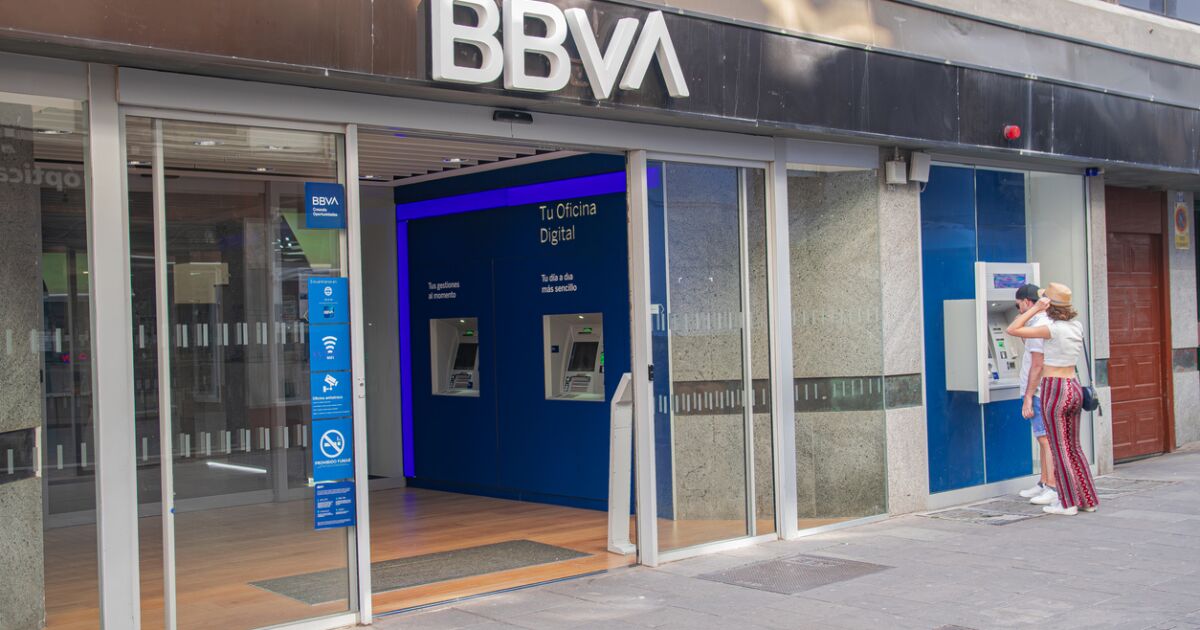
Financial institutions across Mexico will suspend public operations on March 16, 2026, coinciding with the mandatory holiday for Benito Juárez Day. The National Banking and Securities Commission confirmed that branches will remain closed to the general public during this specific period. While digital access remains available, physical transactions for cash withdrawals or account management are restricted nationwide. This holiday falls on the third Monday of March, ensuring consistent observance regardless of the calendar date variation.
According to the official calendar of non-working days issued by the regulator, specific credit institutions must halt operations immediately. The directive applies to commercial banks, savings banks, and investment funds subject to CNBV supervision nationwide. Additionally, credit cooperatives and financial technology entities operating under the same regulatory umbrella must adhere to the same schedule. These restrictions ensure uniformity across the national banking system during statutory holidays and maintain operational consistency.
Exceptions to the closure rule are limited to specific sectors defined in official government publications released last year. General warehouses of deposit and exchange houses may operate throughout the year provided they meet additional compliance requirements. These entities must follow separate arrangements published in the Official Gazette of the Federation on December 10, 2025. The distinction allows for essential currency exchange services without disrupting standard banking functions for the general public.
Despite branch closures, electronic payment systems will continue to process transactions without interruption or system downtime. Consumers can utilize credit and debit cards for purchases at merchants and online retailers across the entire country. Automated teller machines will remain accessible for cash withdrawals, although some may experience reduced maintenance schedules during the holiday. Regulatory bodies advise users to plan ahead for any physical banking needs that cannot be resolved digitally or remotely.
The holiday commemorates the birth of Benito Juárez, a pivotal indigenous leader who served as president from 1858 to 1872. Federal labor law designates the third Monday of March as an obligatory rest day to honor his contributions to the republic. Juárez implemented significant constitutional reforms that established civil registry and secularized public beneficence institutions. This historical context underscores the importance of the date beyond mere administrative scheduling or routine banking operations.
Employees required to work on this mandatory rest day are entitled to specific compensation under federal statutes and labor codes. Articles 74 and 75 of the Federal Labor Law mandate that workers receive double their salary for the service rendered plus the daily wage. Effectively, this results in a triple wage payment for the hours worked during the holiday period for all eligible staff. Employers must calculate these amounts based on the minimum wage applicable to their specific geographic zone and industry sector.
For workers earning the general minimum wage, the daily rate increases significantly for this specific date in the calendar. The daily minimum stands at 315.04 pesos, which triples to 945.12 pesos for work performed on March 16. Those in the Free Trade Zone of the Northern Border receive a higher base rate of 440.87 pesos daily. This disparity reflects regional economic adjustments mandated by the Mexican government annually to account for cost of living.
The Federal Office for the Defense of Labor offers free legal assistance to employees facing wage disputes or employer noncompliance. Companies failing to comply with these labor standards risk fines and legal action from regulatory authorities overseeing the sector. Workers are encouraged to document their hours and communicate with human resources regarding holiday pay calculations carefully. Enforcement mechanisms remain active to protect labor rights during statutory holidays and ensure fair compensation practices.
Economic analysts suggest these closures have minimal impact on the broader economy due to the increasing prevalence of digital transactions. However, small businesses relying on physical cash deposits may experience temporary liquidity constraints during the closure period. The alignment of financial holidays with national observances helps maintain social cohesion while preserving operational flexibility for institutions. Future dates for similar closures will continue to shift based on the lunar and solar calendar alignment for the region.
Stakeholders should monitor upcoming announcements from the central bank regarding any additional operational changes or procedural updates. Financial planners recommend scheduling large transfers before March 16 to avoid processing delays or unexpected hold times. The regulatory framework remains stable, ensuring predictability for financial institutions and consumers alike throughout the fiscal year. Continued compliance with these protocols will sustain trust in the national banking system and support economic stability.