The region surrounding Lake Maracaibo, historically the epicenter of Venezuela's immense oil wealth, now presents a tableau of industrial decay, even as political maneuvering suggests a potential foreign investment pivot. This area, which once powered Latin American economic might, is now central to discussions surrounding a proposed $100 billion commitment from US entities aimed at rebuilding the nation's energy infrastructure, according to reports.
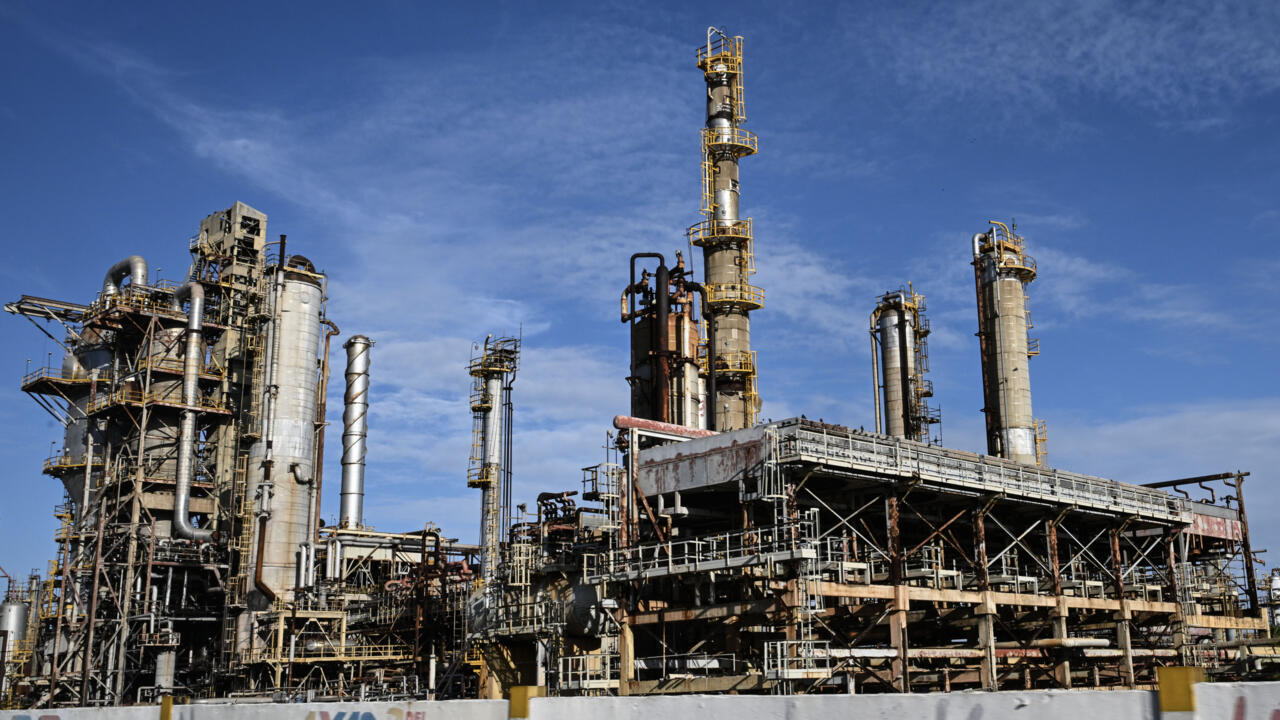
Infrastructure across the basin, from suburban oil camps built by giants like Exxon and Shell to operational pumps, shows stark contrast between functional and abandoned assets. Many facilities stand rusted and derelict, a visible metric of Venezuela's 70% GDP contraction since 2013. Residents in former company towns like Miraflores report pervasive looting, utility failures, and a mass exodus of younger generations seeking opportunities abroad.
Decades of nationalization under PDVSA, beginning in 1976, followed by political purges in 2002 that reportedly removed 22,000 technical workers, severely degraded operational capacity. While the government often cites US sanctions imposed in 2017 as the primary cause for declining output, many former industry personnel point to systemic mismanagement and political interference within the state-owned entity.
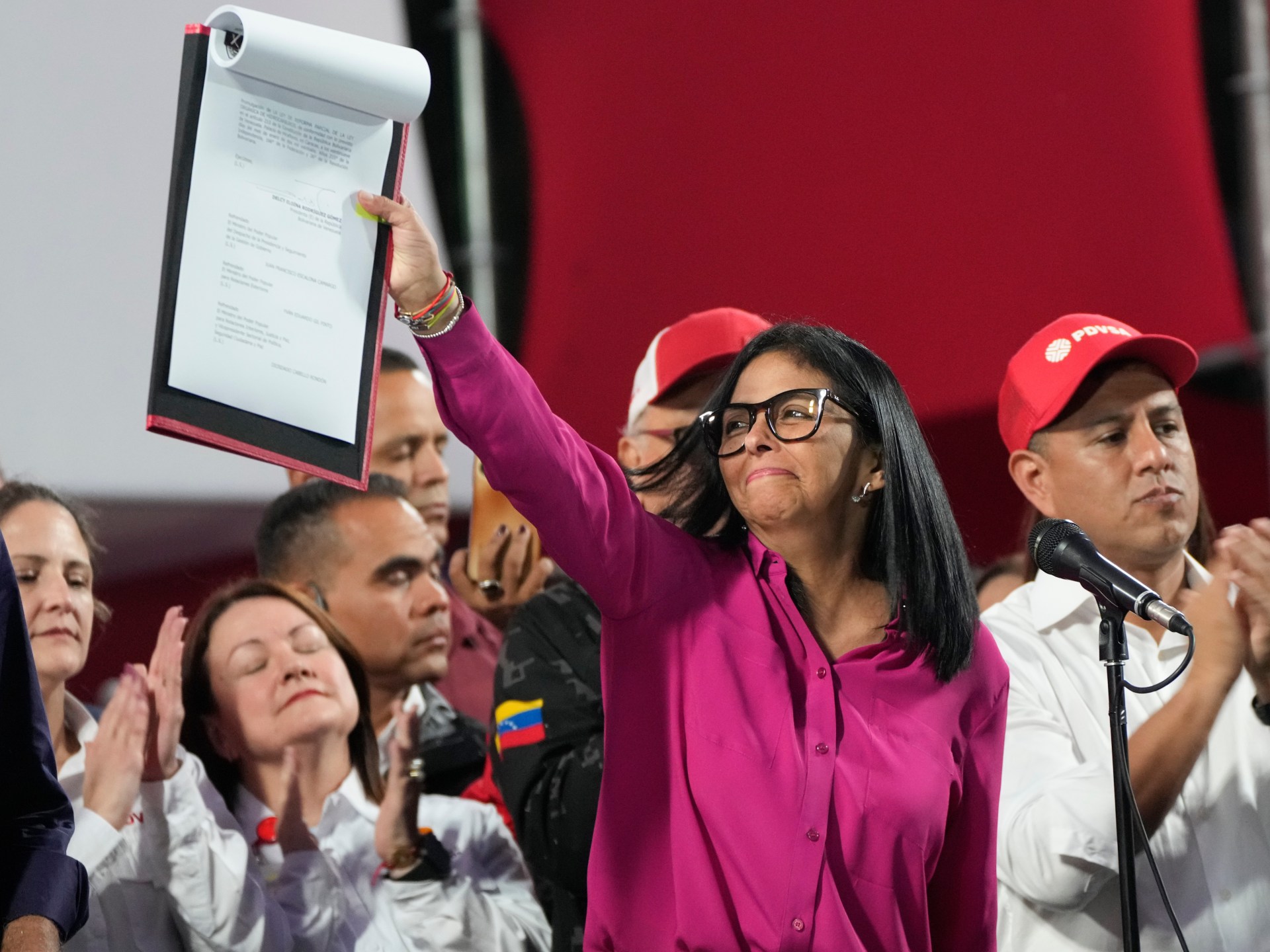
Recent political developments, following the reported removal of Nicolás Maduro, have introduced legislative openings allowing foreign and local companies to operate under new contract models. This shift is reportedly aimed at facilitating the promised US investment, contingent on continued cooperation from Venezuelan authorities.
For local populations, the potential return of international capital is viewed with a mix of hope and skepticism, driven by memories of past prosperity. Many recall the peak production era of the 1970s, when output approached 3.5 million barrels per day, a level far exceeding the current output of approximately 860,000 barrels per day.
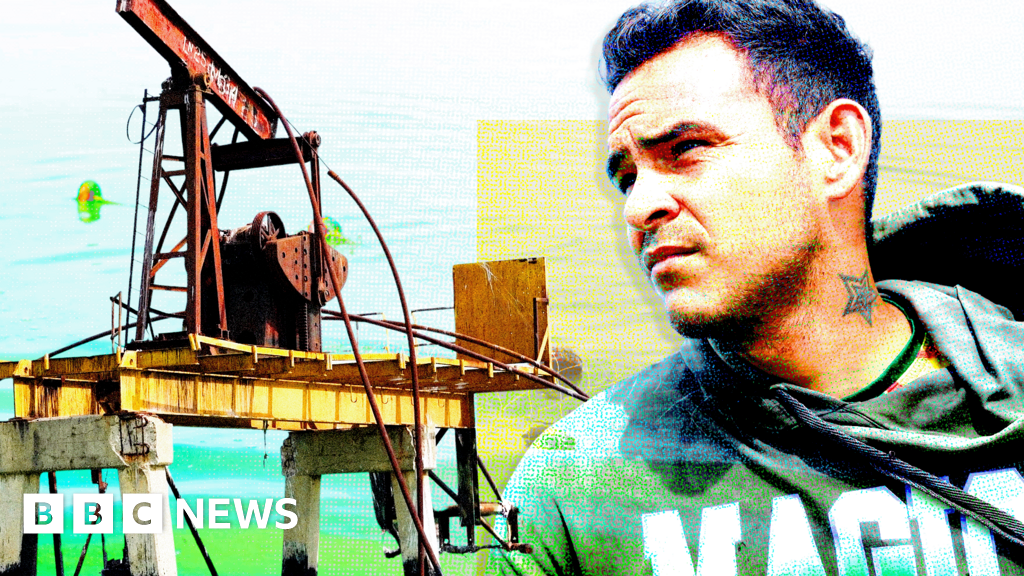
The environmental toll is also evident, as local fishermen report increased pollution in the lake, manifesting as oily slicks and diminishing fish stocks. These inhabitants hope that any future energy development partnership would incorporate necessary environmental remediation efforts alongside resource extraction.
The next phase involves clarifying the legal framework and securing concrete commitments from international energy majors, a process complicated by ongoing political instability. The success of any large-scale investment hinges on navigating the complex relationship between US policy objectives and the internal power structure in Caracas.