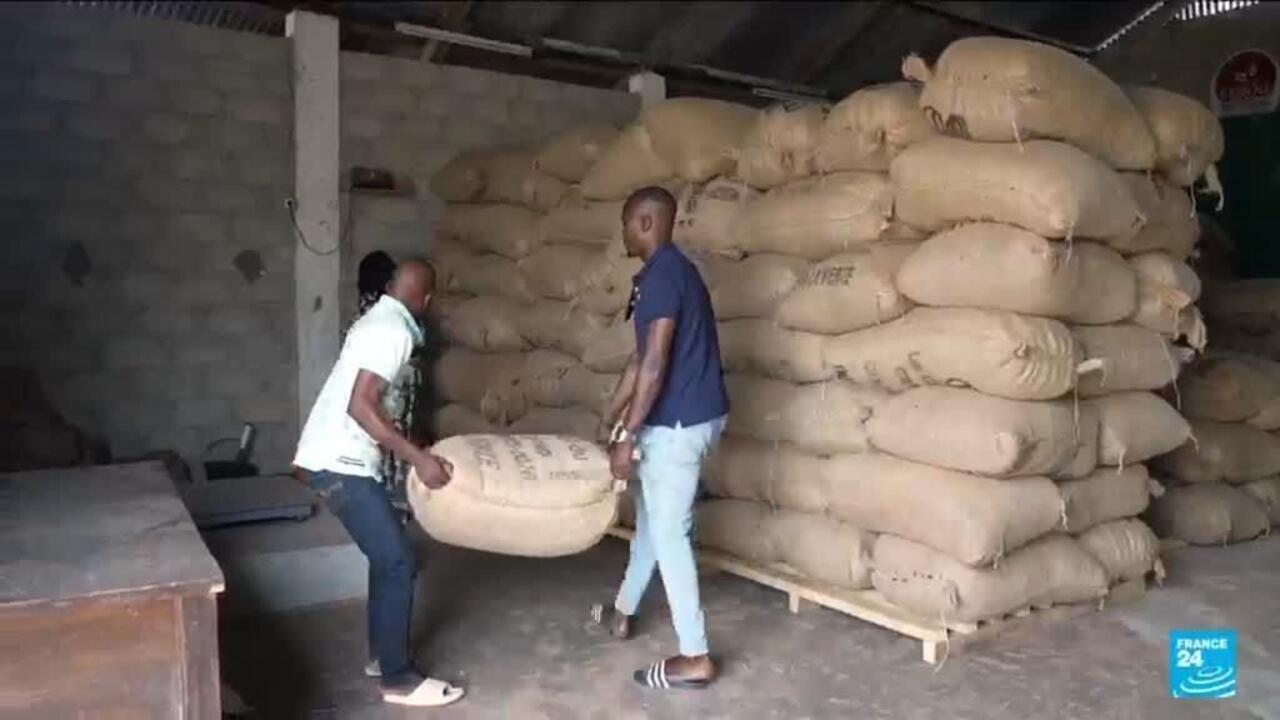
The government of Ivory Coast has announced a significant, albeit reactive, intervention into its domestic cocoa market, signaling deep distress within the commodity sector. Abidjan will initiate the buyback of thousands of metric tons of unsold cocoa beans that have remained static in local warehouses and port facilities since November 2026.
This backlog represents a critical failure in recent export mechanisms or a sharp divergence between local pricing expectations and global market realities. The accumulation of product has directly correlated with stagnating income streams for Ivorian farmers, the bedrock of the global cocoa supply chain.
As the world’s preeminent producer—accounting for a significant share of the global supply—any disruption in the Ivorian market carries immediate implications for international chocolatier pricing and commodity futures markets.
The intervention is framed as a necessary measure to clear logistical bottlenecks and inject liquidity back into the farming communities. Yet, market observers express skepticism regarding the efficacy and timeliness of the government's decision, given the duration of the inventory overhang.
Industry analysts note that while government stock absorption offers short-term relief, it does not fundamentally address the underlying cause of the price pressure or the structural issues affecting forward sales contracts.
This situation underscores the persistent vulnerability of commodity-dependent economies to global price swings, especially when national regulatory frameworks struggle to keep pace with volatile international demand signals.
For multinational chocolate manufacturers, the crisis in the primary sourcing region introduces supply chain risk, potentially necessitating adjustments to procurement strategies or future hedging positions to buffer against localized instability.
(Source Attribution: Adapted from reporting originating from France 24.)